
-
Paediatric mental help for children of defence personnel, veterans and first responders
Dr Marg Rogers is a Senior Lecturer in Early Childhood Education at University of New England (UNE) in Armidale, New South Wales. She is a prominent figure in early childhood education New South Wales, and is also a Post Doctoral Fellow at the Manna Institute, a mental health research organisation within the regional university network across Australia, that is building place based research capacity to improve the mental health of regional, rural and remote Australia.
-
Investments to address health inequities in Prostate Cancer Care
Income, education, geographical location, and discrimination based on ethnicity, race, gender and sexual orientation, are only a fraction of factors that can negatively affect a person’s quality of cancer care. This is defined as the “equity gap” and it’s costing people their lives.
Timed to coincide with World Cancer Day 4th February 2025, Movember announced prostate cancer investment of $5.5 million. Eighteen grants (16 proposals and 2 community development grants) are slated to directly tackle inequities in prostate cancer care. The funding will be over three years with the grants spread across five countries – six in Canada, five in the United Kingdom, three in Australia, three in the United States and one in Ireland – each having a specific focus population and care area.
-
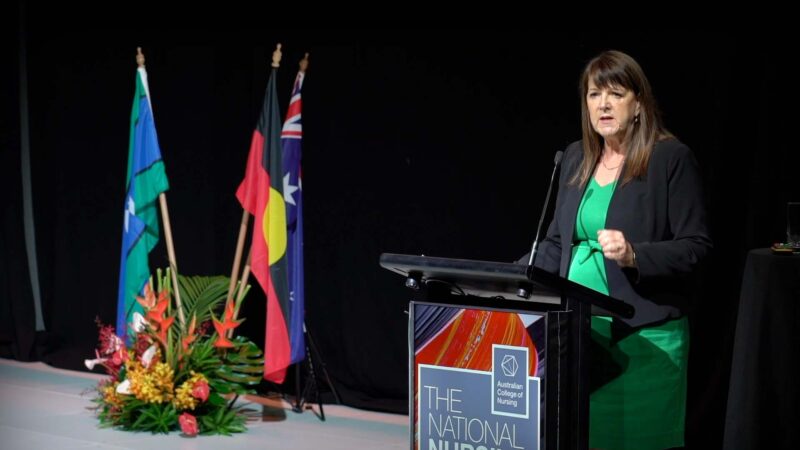
Role of the Chief Nursing Officer
Professor Alison McMillan PSM spoke with Australian Health Journal about the role of Chief Nursing and Midwifery Officer at the Australian Government Department of Health and Aged Care.
Alison was appointed as our Chief Nursing and Midwifery Officer in November 2019.
In June 2021 Alison was awarded a Public Service Medal for outstanding public service to driving the Government’s national health response priorities during the COVID-19 pandemic, particularly to infection prevention measures.
Post Views:
4,492
Message from former Australian Health Minister Hon Greg Hunt


Categories
- Allied Health 15
- Associations 54
- ARCS Australia 6
- Australasian College of Paramedicine 2
- Australian College of Nursing 13
- Australian Healthcare and Hospitals Association 9
- Australian Primary Health Care Nurses Association 3
- Consumers Health Forum of Australia 3
- Medical Technology Association of Australia 8
- Medicines Australia 2
- Pharmacy Society of Australia 5
- Royal Australian College for General Practitioners 3
- Australian state 31
- Awareness 3
- Bowel and Intestine 1
- Brain and Mind 26
- Cancer 7
- Career 38
- Charities 1
- Chronic disease 2
- Clinical Trials 26
- Conferences 13
- Core muscles 1
- Dental 12
- Ear, nose and throat ENT 2
- Education 12
- Endocrinology 7
- Episodes 6
- Eye Health 3
- Gastroenterology 1
- General Practice 11
- Global Health 1
- Government 26
- Haematology 2
- Health System 93
- Accessibility 3
- Allied Health 3
- Awards and Recognition 4
- Comprehensive Centre 1
- Consumer involvement 3
- Decision Support 1
- Government 6
- Health Policy 4
- Industry 1
- Job Skills and Training 6
- New Models of Care 14
- Occupational Therapy 5
- Population screening 1
- Preventive Health 3
- Private Health 1
- Public Health 6
- Regulatory and Reimbursement 5
- Scope of Practice 5
- Social Prescribing 1
- Value-Based Health Care 4
- Workforce growth 9
- Workforce Survey 1
- Workforce wellbeing 6
- Heart 5
- Hospitals and Clinics 55
- Anaesthesia 2
- Co-design and adoption 6
- Construction 2
- COVID-19 3
- Emergency Department 7
- Environment / Sustainability 1
- Equipment 2
- Funding and Operating Models 3
- Health Services and Systems 4
- Infection Control 4
- Planning, Culture and Growth 2
- Point of Care 4
- Private Hospitals 1
- Surgery 5
- Workflow 1
- Wound Management 2
- Immunology 1
- Industry 1
- Innovation 8
- International health and research systems 1
- Lung 3
- Media Partners 3
- Medical Devices 15
- Medical Imaging 6
- Medical Management 1
- Medical Research 21
- Medicine 9
- Microbiota 1
- Musculoskeletal 5
- New Content 276
- Nursing 36
- Nutrition 2
- Oncology 5
- Oral Health 3
- Paramedics 5
- Patients 16
- Pharmacy 13
- Philanthropy, Foundations and Charity 2
- Population 64
- Aboriginal 3
- Cosmetic surgery 1
- Defence 2
- Disability 3
- Diversity, inclusion and equity 2
- Frail, Homebound and Bedridden Population 4
- Homeless 1
- Marginalised 1
- Men's Health 1
- Middle-aged 1
- New Parents 1
- Paediatric 11
- Palliative 2
- Rural and Remote 8
- Seniors and Aged Care 10
- Women and child birth 5
- Women's Health 5
- Youth 2
- Primary Health 15
- Region 1
- Research 33
- Startups 3
- Technology 40
- Training and Career 26
- Workforce sustainability 1