
-
Physiotherapist, exercise physiologist support for management of osteoporosis
Osteoporosis is commonly managed medically and typically with treatment. Exercise is also essential in the management of osteoporosis but tends to be under-utilised due to lack of knowledge and unfounded concerns about the risk of injury. In fact, optimal care of people with low bone mass, osteoporosis and/or increased risk of falling can and should include targeted exercise to help prevent osteoporotic fracture.
In early 2024, Healthy Bones Australia released a summary of the principles of osteogenic loading and fall prevention, the translation of those principles into clinical practice, evidence-based recommendations for exercise prescription, and special considerations, along with links to several relevant resources for people with or at risk of osteoporosis, falls and fractures.
-
Using human skin hair follicles to treat Alzheimer’s disease
Professor Michael Valenzuela is a science opinion leader, innovator and creative thinker with a career-long commitment to the prevention and treatment of dementia.
Following that he completed graduate medicine and medical training at the Prince of Wales Hospital. In 2012, he established the Regenerative Neuroscience Group at the University of Sydney, and in 2017 became the university’s first Professor of Regenerative Medicine.
Professor Valenzuela’s group discovered a new cell type with potential for regenerative medicine, a rare neural precursor cell found deep within the human hair follicle. He is the main inventor on several related patents and is the Founder and Chief Scientific Officer of Skin2Neuron – a biotech company developing the first neurorestorative cell therapy for Alzheimer’s disease based on this work.
-
Emerging researcher appointed to James Packer Chair in Mood Disorders at UNSW
The UNSW Discipline of Psychiatry and Mental Health is widely renowned as the pre-eminent psychiatry research department in the country and one of the leading university psychiatry research groups internationally. In 2023 it celebrated 60 Years of Psychiatry & Mental Health at UNSW Sydney.
Australian Health Journal spoke with Professor Kimberlie Dean, Head of the Discipline of Psychiatry and Mental Health at UNSW Sydney, about the recent appointment of mental health disorders expert and clinician researcher Dr Aswin Ratheesh to lead the James Packer Chair in Mood Disorders at UNSW Sydney.
Post Views:
2,937
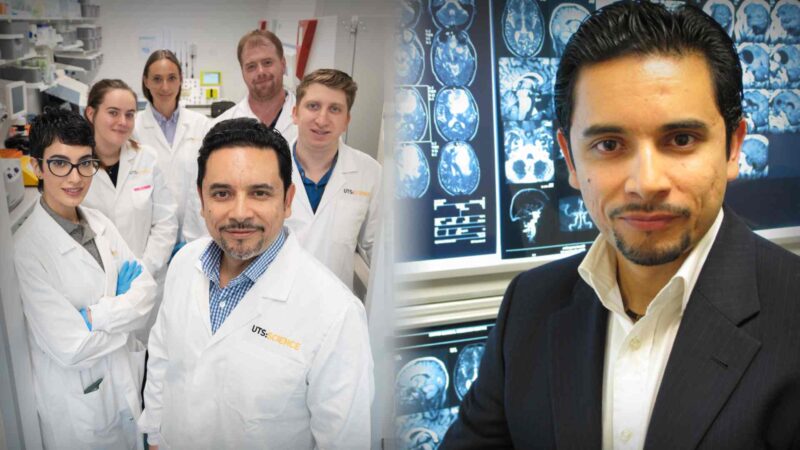
New option for management of high-risk soft tissue sarcoma of the limb


Categories
- Allied Health 21
- Associations 57
- ARCS Australia 6
- Australasian College of Paramedicine 2
- Australian College of Nursing 13
- Australian Healthcare and Hospitals Association 9
- Australian Primary Health Care Nurses Association 3
- Consumers Health Forum of Australia 3
- Medical Technology Association of Australia 11
- Medicines Australia 2
- Pharmacy Society of Australia 5
- Royal Australian College for General Practitioners 3
- Australian state 35
- Awareness 3
- Bowel and Intestine 3
- Brain and Mind 30
- Cancer 9
- Career 55
- Charities 1
- Chronic disease 3
- Clinical Trials 31
- Conferences 14
- Core muscles 2
- Dental 14
- Dermatology 1
- Ear, nose and throat ENT 2
- Education 19
- Endocrinology 7
- Episodes 6
- Eye Health 5
- FULL CIRCLE DIGITAL HEALTH 1
- Gastroenterology 2
- General Practice 13
- Global Health 1
- Government 30
- Haematology 2
- Health System 114
- Accessibility 5
- Allied Health 3
- Awards and Recognition 6
- Comprehensive Centre 1
- Consumer involvement 3
- Decision Support 1
- Disease Preparedness 1
- Funding 1
- Government 18
- Health Policy 9
- Industry 2
- Job Skills and Training 6
- New Models of Care 14
- Occupational Therapy 5
- Population screening 2
- Preventive Health 4
- Private Health 1
- Public Health 6
- Regulatory and Reimbursement 6
- Scope of Practice 5
- Social Prescribing 1
- Value-Based Health Care 4
- Workforce growth 12
- Workforce Survey 1
- Workforce wellbeing 6
- Heart 7
- Hospitals and Clinics 63
- Anaesthesia 3
- Co-design and adoption 6
- Construction 2
- COVID-19 3
- Emergency Department 7
- Environment / Sustainability 3
- Equipment 2
- Funding and Operating Models 7
- Health Services and Systems 4
- Infection Control 4
- Planning, Culture and Growth 2
- Point of Care 4
- Private Hospitals 1
- Surgery 6
- Workflow 1
- Wound Management 2
- Immunology 2
- Industry 1
- Infectious disease 1
- Innovation 11
- International health and research systems 1
- Lived Experience 2
- Lung 4
- Markets 1
- Media Partners 3
- Medical Devices 19
- Medical Imaging 7
- Medical Management 1
- Medical Research 27
- Medical Technology 6
- Medicine 12
- Microbiota 1
- Musculoskeletal 6
- New Content 331
- Nursing 36
- Nutrition 3
- Oncology 6
- Op-Ed 3
- Oral Health 4
- Paramedics 5
- Patients 17
- Pharmacy 13
- Philanthropy, Foundations and Charity 2
- Population 80
- Aboriginal 3
- Cosmetic surgery 1
- Defence 2
- Disability 3
- Diversity, inclusion and equity 3
- Frail, Homebound and Bedridden Population 4
- Homeless 1
- Marginalised 1
- Men's Health 1
- Middle-aged 2
- New Parents 1
- Newborn / Neonatal 1
- Paediatric 13
- Palliative 2
- Rural and Remote 8
- Seniors and Aged Care 10
- Veterans 1
- Women and child birth 7
- Women's Health 14
- Youth 2
- Primary Health 16
- Region 1
- Reproduction, pregnancy & child birth 1
- Research 40
- Research to Practice 1
- Space Health & Medicine 2
- Startups 3
- Technology 46
- Training and Career 33
- Workforce sustainability 1