
-
Physiotherapist, exercise physiologist support for management of osteoporosis
Osteoporosis is commonly managed medically and typically with treatment. Exercise is also essential in the management of osteoporosis but tends to be under-utilised due to lack of knowledge and unfounded concerns about the risk of injury. In fact, optimal care of people with low bone mass, osteoporosis and/or increased risk of falling can and should include targeted exercise to help prevent osteoporotic fracture.
In early 2024, Healthy Bones Australia released a summary of the principles of osteogenic loading and fall prevention, the translation of those principles into clinical practice, evidence-based recommendations for exercise prescription, and special considerations, along with links to several relevant resources for people with or at risk of osteoporosis, falls and fractures.
-
Australian Healthcare Week 2019: Pitch Fest Finalist Lumin
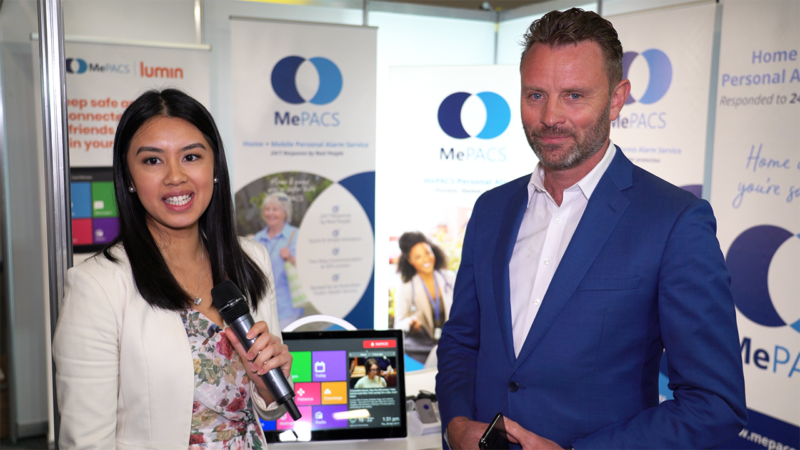
Startup company Lumin was a Pitch Fest Finalist at last week’s Australian Healthcare Week Expo in Sydney. The Lumin platform is used in aged care where loneliness and isolation can be a trigger for stroke and dementia. Lumin helps the connection to care providers, family members and duress monitoring services in a device that has been designed for those with dementia, vision impairment or find complex devices difficult to use.
Managing Director and Co-Founder Paul Wilson spoke at the Mepacs booth with Anne Dao from Australian Health Journal about the market they target and the design of the user experience, including the remote servicing and monitoring. The integration allows the monitoring team in the call centre see and hear the personal raising the alarm. Mepacs is a provider of personal duress alarms and have teamed up with Lumin.
-
Connecting Students with Careers in MedTech
The MedTech Match Student Career Development Session in partnership with Engineers Australia ran alongside MTAA’s RegConnect Summit 2026, and gave student volunteers the opportunity to learn about the Australian MedTech landscape, discussing what the industry looks like, where entry points exist, and how the device lifecycle maps to careers.
Post Views:
587
Building trusted technology for women’s reproductive health


Categories
- Allied Health 22
- Associations 57
- ARCS Australia 6
- Australasian College of Paramedicine 2
- Australian College of Nursing 13
- Australian Healthcare and Hospitals Association 9
- Australian Primary Health Care Nurses Association 3
- Consumers Health Forum of Australia 3
- Medical Technology Association of Australia 11
- Medicines Australia 2
- Pharmacy Society of Australia 5
- Royal Australian College for General Practitioners 3
- Australian state 35
- Awareness 3
- Bowel and Intestine 4
- Brain and Mind 30
- Cancer 10
- Career 57
- Charities 1
- Chronic disease 3
- Clinical Trials 31
- Conferences 14
- Core muscles 2
- Dental 14
- Dermatology 1
- Ear, nose and throat ENT 2
- Education 19
- Endocrinology 7
- Episodes 6
- Eye Health 5
- FULL CIRCLE DIGITAL HEALTH 1
- Gastroenterology 2
- General Practice 13
- Global Health 1
- Government 30
- Haematology 2
- Health System 117
- Accessibility 5
- Allied Health 3
- Awards and Recognition 6
- Comprehensive Centre 1
- Consumer involvement 3
- Decision Support 1
- Disease Preparedness 1
- Funding 2
- Government 18
- Health Policy 9
- Industry 2
- Job Skills and Training 6
- New Models of Care 15
- Occupational Therapy 5
- Population screening 3
- Preventive Health 4
- Private Health 1
- Public Health 6
- Regulatory and Reimbursement 6
- Scope of Practice 5
- Social Prescribing 1
- Value-Based Health Care 4
- Workforce growth 12
- Workforce Survey 1
- Workforce wellbeing 6
- Heart 7
- Hospitals and Clinics 65
- Anaesthesia 3
- Co-design and adoption 6
- Construction 2
- COVID-19 3
- Emergency Department 8
- Environment / Sustainability 4
- Equipment 2
- Funding and Operating Models 7
- Health Services and Systems 4
- Infection Control 4
- Planning, Culture and Growth 2
- Point of Care 4
- Private Hospitals 1
- Surgery 6
- Workflow 1
- Wound Management 2
- Immunology 3
- Industry 1
- Infectious disease 1
- Innovation 12
- International health and research systems 1
- Lived Experience 2
- Lung 4
- Markets 1
- Media Partners 3
- Medical Devices 19
- Medical Imaging 7
- Medical Management 1
- Medical Research 29
- Medical Technology 7
- Medicine 12
- Microbiota 1
- Musculoskeletal 6
- New Content 336
- Nursing 36
- Nutrition 3
- Oncology 6
- Op-Ed 3
- Oral Health 4
- Paramedics 5
- Patients 17
- Pharmacy 13
- Philanthropy, Foundations and Charity 2
- Population 81
- Aboriginal 3
- Cosmetic surgery 1
- Defence 2
- Disability 3
- Diversity, inclusion and equity 3
- Frail, Homebound and Bedridden Population 4
- Homeless 1
- Marginalised 1
- Men's Health 1
- Middle-aged 2
- New Parents 1
- Newborn / Neonatal 1
- Paediatric 13
- Palliative 2
- Rural and Remote 8
- Seniors and Aged Care 10
- Veterans 1
- Women and child birth 7
- Women's Health 15
- Youth 2
- Primary Health 16
- Region 1
- Reproduction, pregnancy & child birth 1
- Research 43
- Research to Practice 1
- Space Health & Medicine 2
- Startups 3
- Technology 46
- Training and Career 34
- Workforce sustainability 1