
-
Driven by purpose
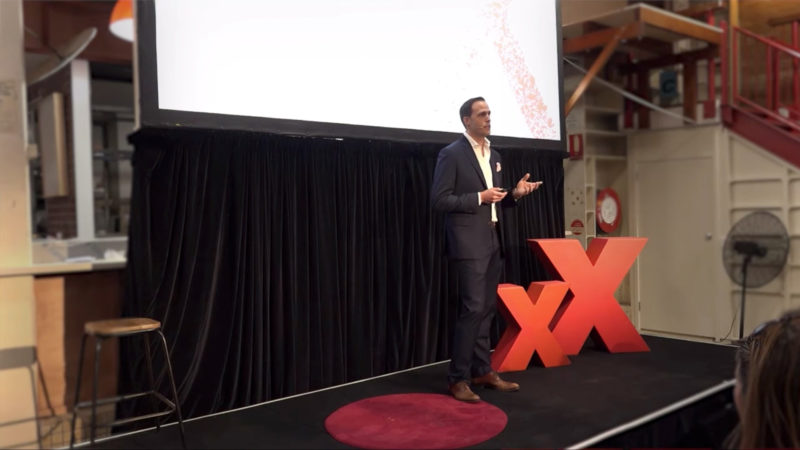
Dr Joe DusseldorpDr Joe Dusseldorp is an Australian surgeon who was first in the country to implant custom 3D printed ears in a number of young Australian children born with a congenital abnormality called microtia. His family ancestry is unique in having 5 generations of medical doctors. Driven by a deeper purpose in treating patients, Dr Dusseldorp’s segment continues Australian Health Journal’s People in Health Care series.
-
Foundation outlines breast cancer research strategy
Australian Health Journal met with Associate Professor Cleola Anderiesz, CEO of the National Breast Cancer Foundation to hear of the new 5 year Pink Horizon research strategy. Those with lived experience of breast cancer, along with researchers, clinicians, and other funding organisations, have contributed to the development of the foundation’s new five-year Pink Horizon research strategy. This ambitious plan aims to invest $125 million to accelerate research efforts towards the vision of ending deaths from breast cancer.
-
Co-design, adoption and interoperability
In October CEBIT AUSTRALIA held it’s yearly technology related conference. Australian Health Journal’s reporter Anne Dao spoke with health technology thought leaders on what needs to be consider in Co-Design, Adoption and Interoperability of technology aided healthcare delivery
Post Views:
1,902
Making clinical trials participant friendly


Categories
- Allied Health 15
- Associations 54
- ARCS Australia 6
- Australasian College of Paramedicine 2
- Australian College of Nursing 13
- Australian Healthcare and Hospitals Association 9
- Australian Primary Health Care Nurses Association 3
- Consumers Health Forum of Australia 3
- Medical Technology Association of Australia 8
- Medicines Australia 2
- Pharmacy Society of Australia 5
- Royal Australian College for General Practitioners 3
- Australian state 31
- Awareness 3
- Bowel and Intestine 1
- Brain and Mind 26
- Cancer 7
- Career 38
- Charities 1
- Chronic disease 2
- Clinical Trials 26
- Conferences 13
- Core muscles 1
- Dental 12
- Ear, nose and throat ENT 2
- Education 12
- Endocrinology 7
- Episodes 6
- Eye Health 3
- Gastroenterology 1
- General Practice 11
- Global Health 1
- Government 26
- Haematology 2
- Health System 93
- Accessibility 3
- Allied Health 3
- Awards and Recognition 4
- Comprehensive Centre 1
- Consumer involvement 3
- Decision Support 1
- Government 6
- Health Policy 4
- Industry 1
- Job Skills and Training 6
- New Models of Care 14
- Occupational Therapy 5
- Population screening 1
- Preventive Health 3
- Private Health 1
- Public Health 6
- Regulatory and Reimbursement 5
- Scope of Practice 5
- Social Prescribing 1
- Value-Based Health Care 4
- Workforce growth 9
- Workforce Survey 1
- Workforce wellbeing 6
- Heart 5
- Hospitals and Clinics 55
- Anaesthesia 2
- Co-design and adoption 6
- Construction 2
- COVID-19 3
- Emergency Department 7
- Environment / Sustainability 1
- Equipment 2
- Funding and Operating Models 3
- Health Services and Systems 4
- Infection Control 4
- Planning, Culture and Growth 2
- Point of Care 4
- Private Hospitals 1
- Surgery 5
- Workflow 1
- Wound Management 2
- Immunology 1
- Industry 1
- Innovation 8
- International health and research systems 1
- Lung 3
- Media Partners 3
- Medical Devices 15
- Medical Imaging 6
- Medical Management 1
- Medical Research 21
- Medicine 9
- Microbiota 1
- Musculoskeletal 5
- New Content 276
- Nursing 36
- Nutrition 2
- Oncology 5
- Oral Health 3
- Paramedics 5
- Patients 16
- Pharmacy 13
- Philanthropy, Foundations and Charity 2
- Population 64
- Aboriginal 3
- Cosmetic surgery 1
- Defence 2
- Disability 3
- Diversity, inclusion and equity 2
- Frail, Homebound and Bedridden Population 4
- Homeless 1
- Marginalised 1
- Men's Health 1
- Middle-aged 1
- New Parents 1
- Paediatric 11
- Palliative 2
- Rural and Remote 8
- Seniors and Aged Care 10
- Women and child birth 5
- Women's Health 5
- Youth 2
- Primary Health 15
- Region 1
- Research 33
- Startups 3
- Technology 40
- Training and Career 26
- Workforce sustainability 1