
-
Ready to unleash the potential of the pharmacist health workforce
Last week, Associate Professor Fei Sim the National President of the Pharmaceutical Society of Australia (PSA), the peak body representing 39,000 pharmacists across Australia’s health system, spoke to Australian Health Journal about the release of the Unleashing the Potential of our Health Workforce – Scope of Practice Review. The review and final report sets out to create a clear pathway for health professionals to contribute more to our health system and practice to their full and top of scope.
-
LIVED EXPERIENCE: Spontaneous Coronary Artery Dissection (SCAD)
Jen O’Neill is a Social Work Program Manager and mother of two from the Central Coast, NSW.
At 36, she experienced her first spontaneous coronary artery dissection (SCAD) heart attack and has since survived two further SCADs before age 43.
-
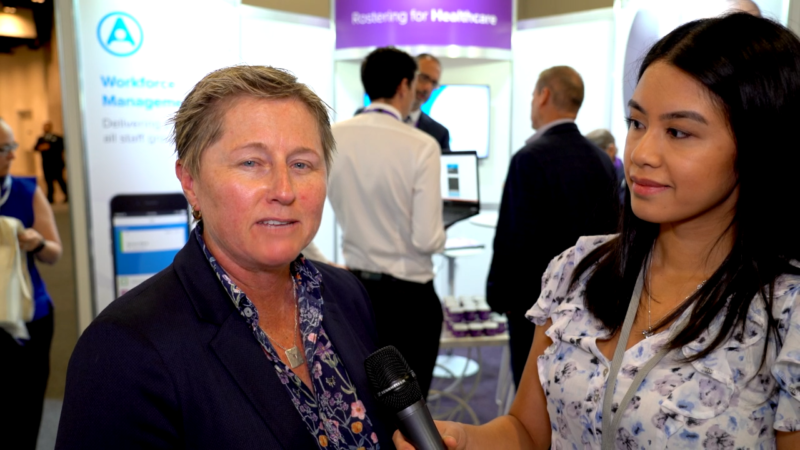
Michelle Fenwick – Northern Health
The outskirts of Melbourne is experiencing significant population growth over the next 10 years and Northern Health has taken preemptive steps to ensure the supply of new talented healthcare staff as well as develop the culture of the workplace.
Michelle Fenwick, the Executive Director of Northern Health spoke with our reporter Anne Dao on the challenges of this urban growth over the past 3 years. By 2031 the region is expected to increase in population by 63%. Added to this is hiring and training the right workforce to align with the clinical care needs of people coming into the healthcare centres.
Culture is forming in a growing organisation with approximately 70% of staff having been at Northern Health less than 4 years. However there is opportunity for clinical staff to accelerate their career in such an environment
Post Views:
3,690
Paramedics seek team-based primary health care pilots

Categories
- Allied Health 22
- Associations 57
- ARCS Australia 6
- Australasian College of Paramedicine 2
- Australian College of Nursing 13
- Australian Healthcare and Hospitals Association 9
- Australian Primary Health Care Nurses Association 3
- Consumers Health Forum of Australia 3
- Medical Technology Association of Australia 11
- Medicines Australia 2
- Pharmacy Society of Australia 5
- Royal Australian College for General Practitioners 3
- Australian state 35
- Awareness 3
- Bowel and Intestine 3
- Brain and Mind 30
- Cancer 9
- Career 55
- Charities 1
- Chronic disease 3
- Clinical Trials 31
- Conferences 14
- Core muscles 2
- Dental 14
- Dermatology 1
- Ear, nose and throat ENT 2
- Education 19
- Endocrinology 7
- Episodes 6
- Eye Health 5
- FULL CIRCLE DIGITAL HEALTH 1
- Gastroenterology 2
- General Practice 13
- Global Health 1
- Government 30
- Haematology 2
- Health System 115
- Accessibility 5
- Allied Health 3
- Awards and Recognition 6
- Comprehensive Centre 1
- Consumer involvement 3
- Decision Support 1
- Disease Preparedness 1
- Funding 1
- Government 18
- Health Policy 9
- Industry 2
- Job Skills and Training 6
- New Models of Care 15
- Occupational Therapy 5
- Population screening 2
- Preventive Health 4
- Private Health 1
- Public Health 6
- Regulatory and Reimbursement 6
- Scope of Practice 5
- Social Prescribing 1
- Value-Based Health Care 4
- Workforce growth 12
- Workforce Survey 1
- Workforce wellbeing 6
- Heart 7
- Hospitals and Clinics 64
- Anaesthesia 3
- Co-design and adoption 6
- Construction 2
- COVID-19 3
- Emergency Department 8
- Environment / Sustainability 3
- Equipment 2
- Funding and Operating Models 7
- Health Services and Systems 4
- Infection Control 4
- Planning, Culture and Growth 2
- Point of Care 4
- Private Hospitals 1
- Surgery 6
- Workflow 1
- Wound Management 2
- Immunology 2
- Industry 1
- Infectious disease 1
- Innovation 11
- International health and research systems 1
- Lived Experience 2
- Lung 4
- Markets 1
- Media Partners 3
- Medical Devices 19
- Medical Imaging 7
- Medical Management 1
- Medical Research 27
- Medical Technology 6
- Medicine 12
- Microbiota 1
- Musculoskeletal 6
- New Content 332
- Nursing 36
- Nutrition 3
- Oncology 6
- Op-Ed 3
- Oral Health 4
- Paramedics 5
- Patients 17
- Pharmacy 13
- Philanthropy, Foundations and Charity 2
- Population 80
- Aboriginal 3
- Cosmetic surgery 1
- Defence 2
- Disability 3
- Diversity, inclusion and equity 3
- Frail, Homebound and Bedridden Population 4
- Homeless 1
- Marginalised 1
- Men's Health 1
- Middle-aged 2
- New Parents 1
- Newborn / Neonatal 1
- Paediatric 13
- Palliative 2
- Rural and Remote 8
- Seniors and Aged Care 10
- Veterans 1
- Women and child birth 7
- Women's Health 14
- Youth 2
- Primary Health 16
- Region 1
- Reproduction, pregnancy & child birth 1
- Research 41
- Research to Practice 1
- Space Health & Medicine 2
- Startups 3
- Technology 46
- Training and Career 33
- Workforce sustainability 1