
-
Cardiovascular Disease Risk Guidance and Calculator get long overdue update
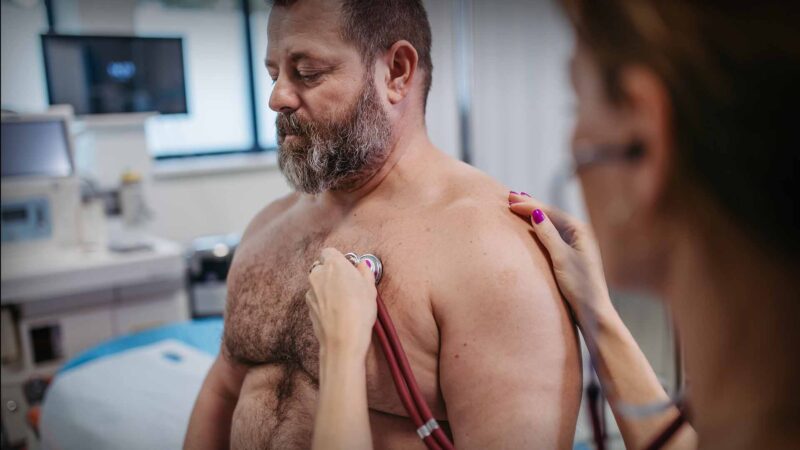
Cardiovascular disease (CVD) is responsible for significant morbidity and premature mortality in Australia. Ischaemic heart disease was the leading cause of death in 2020 and cerebrovascular disease was the third most common cause of death.
As the first major update to Australian CVD risk assessment guidelines in over a decade, the 2023 Australian Guideline for assessing and managing cardiovascular disease risk and associated Aus CVD Risk Calculator reflect the latest evidence on assessing, communicating, and managing CVD risk. Developed using Australian-specific data and the latest evidence, it supersedes the 2012 Guidelines for the management of absolute cardiovascular disease risk.
-
The role of genomic screening in transforming public health
Dr Jane Tiller is a lawyer, genetic counsellor and public health researcher. She is Ethical, Legal & Social Adviser in Public Health Genomics at Monash University, and a National Health and Medical Research Council Investigator Grant holder. Jane is passionate about the use of genomics to prevent disease, and in delivering equitable access to preventive genetic information at the population level. She is co-lead of DNA Screen, a world-first study piloting the offer of preventive DNA screening to the Australian adult population. DNA Screen has tested over 10,000 young people for genetic high risk of medically actionable conditions such as cancer and heart disease, finding about 2% of participants had genetic high risk. Jane is leading efforts to secure Commonwealth Government funding to expand the DNA Screen program, with the eventual goal of the development of a public health population screening program for disease prevention based on high genetic risk.
-
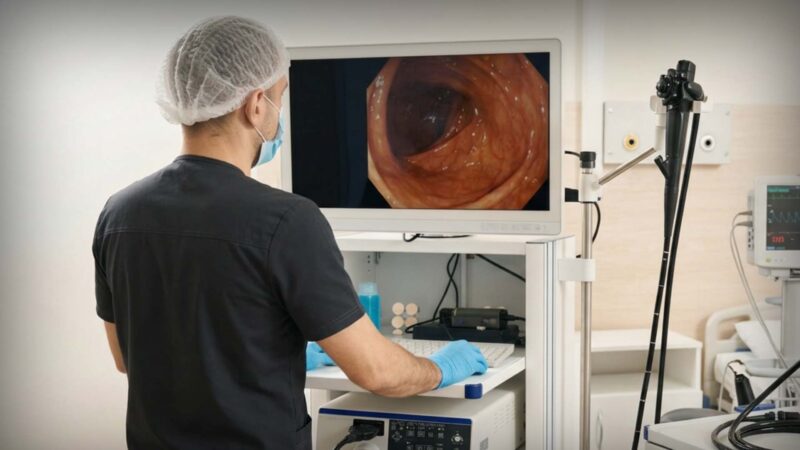
Concerning increases in Non-Alcoholic Fatty Liver Disease and colorectal cancer
Dr Kieran Longley is a Gastroenterologist and Hepatologist committed to providing comprehensive, patient-centred care across a broad spectrum of digestive and liver conditions. He completed his medical degree at the University of Tasmania before undertaking physician training at St Vincent’s Hospital Sydney. Furthering his academic and clinical expertise, he obtained a Master of Science in Internal Medicine from the University of Edinburgh.
Post Views:
3,011
Awareness campaigns and HCP Toolkits for thyroid health

Categories
- Allied Health 21
- Associations 57
- ARCS Australia 6
- Australasian College of Paramedicine 2
- Australian College of Nursing 13
- Australian Healthcare and Hospitals Association 9
- Australian Primary Health Care Nurses Association 3
- Consumers Health Forum of Australia 3
- Medical Technology Association of Australia 11
- Medicines Australia 2
- Pharmacy Society of Australia 5
- Royal Australian College for General Practitioners 3
- Australian state 35
- Awareness 3
- Bowel and Intestine 3
- Brain and Mind 30
- Cancer 9
- Career 55
- Charities 1
- Chronic disease 3
- Clinical Trials 31
- Conferences 14
- Core muscles 2
- Dental 14
- Dermatology 1
- Ear, nose and throat ENT 2
- Education 19
- Endocrinology 7
- Episodes 6
- Eye Health 5
- FULL CIRCLE DIGITAL HEALTH 1
- Gastroenterology 2
- General Practice 13
- Global Health 1
- Government 30
- Haematology 2
- Health System 114
- Accessibility 5
- Allied Health 3
- Awards and Recognition 6
- Comprehensive Centre 1
- Consumer involvement 3
- Decision Support 1
- Disease Preparedness 1
- Funding 1
- Government 18
- Health Policy 9
- Industry 2
- Job Skills and Training 6
- New Models of Care 14
- Occupational Therapy 5
- Population screening 2
- Preventive Health 4
- Private Health 1
- Public Health 6
- Regulatory and Reimbursement 6
- Scope of Practice 5
- Social Prescribing 1
- Value-Based Health Care 4
- Workforce growth 12
- Workforce Survey 1
- Workforce wellbeing 6
- Heart 7
- Hospitals and Clinics 63
- Anaesthesia 3
- Co-design and adoption 6
- Construction 2
- COVID-19 3
- Emergency Department 7
- Environment / Sustainability 3
- Equipment 2
- Funding and Operating Models 7
- Health Services and Systems 4
- Infection Control 4
- Planning, Culture and Growth 2
- Point of Care 4
- Private Hospitals 1
- Surgery 6
- Workflow 1
- Wound Management 2
- Immunology 2
- Industry 1
- Infectious disease 1
- Innovation 11
- International health and research systems 1
- Lived Experience 2
- Lung 4
- Markets 1
- Media Partners 3
- Medical Devices 19
- Medical Imaging 7
- Medical Management 1
- Medical Research 27
- Medical Technology 6
- Medicine 12
- Microbiota 1
- Musculoskeletal 6
- New Content 331
- Nursing 36
- Nutrition 3
- Oncology 6
- Op-Ed 3
- Oral Health 4
- Paramedics 5
- Patients 17
- Pharmacy 13
- Philanthropy, Foundations and Charity 2
- Population 80
- Aboriginal 3
- Cosmetic surgery 1
- Defence 2
- Disability 3
- Diversity, inclusion and equity 3
- Frail, Homebound and Bedridden Population 4
- Homeless 1
- Marginalised 1
- Men's Health 1
- Middle-aged 2
- New Parents 1
- Newborn / Neonatal 1
- Paediatric 13
- Palliative 2
- Rural and Remote 8
- Seniors and Aged Care 10
- Veterans 1
- Women and child birth 7
- Women's Health 14
- Youth 2
- Primary Health 16
- Region 1
- Reproduction, pregnancy & child birth 1
- Research 40
- Research to Practice 1
- Space Health & Medicine 2
- Startups 3
- Technology 46
- Training and Career 33
- Workforce sustainability 1