
-
Cost of living relief for students training in national skills shortage fields
The Australian Government is expanding the Commonwealth Prac Payment to eligible students in 10 additional frontline allied health disciplines, providing financial support during mandatory university placements.
From 1 July 2027, eligible students studying audiology, pharmacy, radiography, clinical psychology, physiotherapy, rehabilitation therapies, occupational therapy, podiatry, speech pathology and paramedicine will be able to access the payment.
-
The desire for primary care nurses to do more, be recognised and valued for the work they do
Denise Lyons is a highly experienced nurse with over 40 years in the profession, including more than 25 years dedicated to primary care. She earned her Bachelor of Science in Nursing in the United States in 1985 and, in 2012, became an endorsed Nurse Practitioner in Australia. Currently, she serves as a primary care Nurse Practitioner in General Practice in Newcastle, where she is committed to delivering high-quality, patient-centred care that improves the health and wellbeing of her community.
-
Retaining a clinical perspective in macro level changes
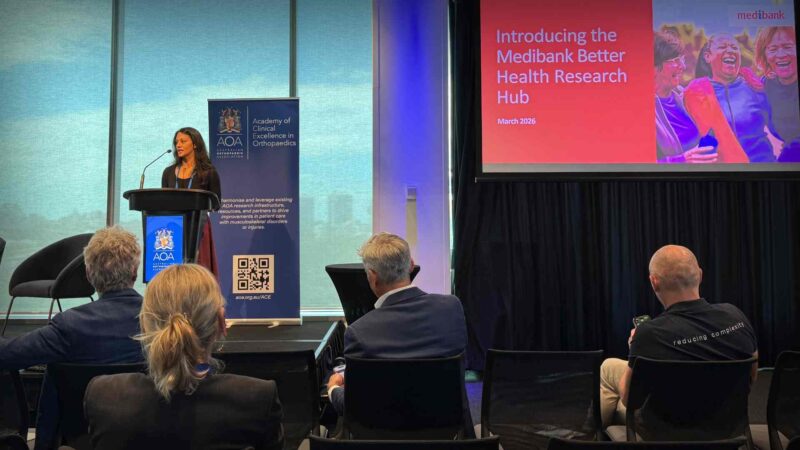
Dr Shona Sundaraj BAppSc (Phty), MBBS, FRACGP, MBA is Group Medical Director at Medibank, bringing over two decades of clinical and systems experience to strategy, research and stakeholder engagement. She leads the Medibank Better Health Research Hub and Chairs the Health Research Governance Committee, guiding stakeholder engagement, competitive grant rounds and partnerships with universities, translational research centres and peak bodies to support evidence based improvement in care.
Post Views:
2,033
WA and QLD RSV Immunisation programs show drops in infant hospitalisations


Categories
- Allied Health 20
- Associations 57
- ARCS Australia 6
- Australasian College of Paramedicine 2
- Australian College of Nursing 13
- Australian Healthcare and Hospitals Association 9
- Australian Primary Health Care Nurses Association 3
- Consumers Health Forum of Australia 3
- Medical Technology Association of Australia 11
- Medicines Australia 2
- Pharmacy Society of Australia 5
- Royal Australian College for General Practitioners 3
- Australian state 34
- Awareness 3
- Bowel and Intestine 3
- Brain and Mind 29
- Cancer 9
- Career 53
- Charities 1
- Chronic disease 3
- Clinical Trials 30
- Conferences 14
- Core muscles 2
- Dental 13
- Ear, nose and throat ENT 2
- Education 16
- Endocrinology 7
- Episodes 6
- Eye Health 5
- FULL CIRCLE DIGITAL HEALTH 1
- Gastroenterology 2
- General Practice 13
- Global Health 1
- Government 28
- Haematology 2
- Health System 109
- Accessibility 5
- Allied Health 3
- Awards and Recognition 5
- Comprehensive Centre 1
- Consumer involvement 3
- Decision Support 1
- Funding 1
- Government 14
- Health Policy 8
- Industry 2
- Job Skills and Training 6
- New Models of Care 14
- Occupational Therapy 5
- Population screening 2
- Preventive Health 3
- Private Health 1
- Public Health 6
- Regulatory and Reimbursement 6
- Scope of Practice 5
- Social Prescribing 1
- Value-Based Health Care 4
- Workforce growth 12
- Workforce Survey 1
- Workforce wellbeing 6
- Heart 6
- Hospitals and Clinics 61
- Anaesthesia 2
- Co-design and adoption 6
- Construction 2
- COVID-19 3
- Emergency Department 7
- Environment / Sustainability 2
- Equipment 2
- Funding and Operating Models 7
- Health Services and Systems 4
- Infection Control 4
- Planning, Culture and Growth 2
- Point of Care 4
- Private Hospitals 1
- Surgery 5
- Workflow 1
- Wound Management 2
- Immunology 2
- Industry 1
- Innovation 8
- International health and research systems 1
- Lived Experience 2
- Lung 3
- Media Partners 3
- Medical Devices 17
- Medical Imaging 7
- Medical Management 1
- Medical Research 23
- Medical Technology 4
- Medicine 10
- Microbiota 1
- Musculoskeletal 6
- New Content 317
- Nursing 36
- Nutrition 2
- Oncology 6
- Op-Ed 3
- Oral Health 4
- Paramedics 5
- Patients 17
- Pharmacy 13
- Philanthropy, Foundations and Charity 2
- Population 79
- Aboriginal 3
- Cosmetic surgery 1
- Defence 2
- Disability 3
- Diversity, inclusion and equity 3
- Frail, Homebound and Bedridden Population 4
- Homeless 1
- Marginalised 1
- Men's Health 1
- Middle-aged 2
- New Parents 1
- Newborn / Neonatal 1
- Paediatric 13
- Palliative 2
- Rural and Remote 8
- Seniors and Aged Care 10
- Veterans 1
- Women and child birth 6
- Women's Health 13
- Youth 2
- Primary Health 16
- Region 1
- Reproduction, pregnancy & child birth 1
- Research 39
- Space Health & Medicine 2
- Startups 3
- Technology 46
- Training and Career 30
- Workforce sustainability 1