
-
Patient-paramedic trust can help free up emergency departments
Dr. Robbie King is a Senior Advanced Care Paramedic with the Queensland Ambulance Service and a community paramedic. He is also a lecturer at the Australian Catholic University in Brisbane. After studying paramedicine and working as a student paramedic since 2009, he recognised that most patients attended by ambulance services did not require emergency interventions.
-
Specialist emergency care clinics in rollout
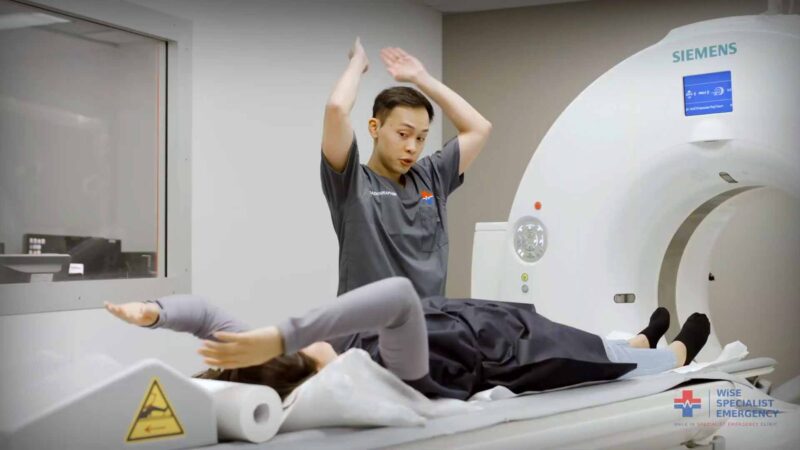
Unlike Emergency Departments that operate within public hospitals and some private hospitals, a Walk-in Specialist Emergency Clinic is located in the community and designed to provide comprehensive, coordinated acute care – from initial consultation and diagnostic services, to treatment and specialist referral if required – without the patient having to visit a hospital.
Australian Health Journal spoke to the visionary, founder and CEO behind this WiSE Specialist Emergency clinic, Dr Pankaj Arora.
-
Calls for National Social Prescribing Scheme
The Royal Australian College of General Practitioners (RACGP), Consumers Health Forum of Australia (CHF) and Mental Health Australia are urging the government to implement a national social prescribing scheme to tackle Australia’s mental health and wellbeing crisis.
Mental ill health is a growing problem in Australia and has been made worse by the COVID-19 pandemic. Since 2017, GPs across Australia have rated mental health as the most common presentation they see as part of the RACGP’s annual Health of the Nation survey. Approximately 20% of patients consult their GP for what are primarily social problems.
Post Views:
444
Observations in diagnosis and treatment of oral cancer over the past 45 years


Categories
- Allied Health 20
- Associations 57
- ARCS Australia 6
- Australasian College of Paramedicine 2
- Australian College of Nursing 13
- Australian Healthcare and Hospitals Association 9
- Australian Primary Health Care Nurses Association 3
- Consumers Health Forum of Australia 3
- Medical Technology Association of Australia 11
- Medicines Australia 2
- Pharmacy Society of Australia 5
- Royal Australian College for General Practitioners 3
- Australian state 34
- Awareness 3
- Bowel and Intestine 3
- Brain and Mind 29
- Cancer 9
- Career 54
- Charities 1
- Chronic disease 3
- Clinical Trials 30
- Conferences 14
- Core muscles 2
- Dental 14
- Ear, nose and throat ENT 2
- Education 18
- Endocrinology 7
- Episodes 6
- Eye Health 5
- FULL CIRCLE DIGITAL HEALTH 1
- Gastroenterology 2
- General Practice 13
- Global Health 1
- Government 29
- Haematology 2
- Health System 110
- Accessibility 5
- Allied Health 3
- Awards and Recognition 5
- Comprehensive Centre 1
- Consumer involvement 3
- Decision Support 1
- Funding 1
- Government 15
- Health Policy 9
- Industry 2
- Job Skills and Training 6
- New Models of Care 14
- Occupational Therapy 5
- Population screening 2
- Preventive Health 3
- Private Health 1
- Public Health 6
- Regulatory and Reimbursement 6
- Scope of Practice 5
- Social Prescribing 1
- Value-Based Health Care 4
- Workforce growth 12
- Workforce Survey 1
- Workforce wellbeing 6
- Heart 7
- Hospitals and Clinics 62
- Anaesthesia 2
- Co-design and adoption 6
- Construction 2
- COVID-19 3
- Emergency Department 7
- Environment / Sustainability 3
- Equipment 2
- Funding and Operating Models 7
- Health Services and Systems 4
- Infection Control 4
- Planning, Culture and Growth 2
- Point of Care 4
- Private Hospitals 1
- Surgery 5
- Workflow 1
- Wound Management 2
- Immunology 2
- Industry 1
- Infectious disease 1
- Innovation 10
- International health and research systems 1
- Lived Experience 2
- Lung 3
- Media Partners 3
- Medical Devices 18
- Medical Imaging 7
- Medical Management 1
- Medical Research 26
- Medical Technology 5
- Medicine 11
- Microbiota 1
- Musculoskeletal 6
- New Content 323
- Nursing 36
- Nutrition 2
- Oncology 6
- Op-Ed 3
- Oral Health 4
- Paramedics 5
- Patients 17
- Pharmacy 13
- Philanthropy, Foundations and Charity 2
- Population 80
- Aboriginal 3
- Cosmetic surgery 1
- Defence 2
- Disability 3
- Diversity, inclusion and equity 3
- Frail, Homebound and Bedridden Population 4
- Homeless 1
- Marginalised 1
- Men's Health 1
- Middle-aged 2
- New Parents 1
- Newborn / Neonatal 1
- Paediatric 13
- Palliative 2
- Rural and Remote 8
- Seniors and Aged Care 10
- Veterans 1
- Women and child birth 7
- Women's Health 14
- Youth 2
- Primary Health 16
- Region 1
- Reproduction, pregnancy & child birth 1
- Research 39
- Space Health & Medicine 2
- Startups 3
- Technology 46
- Training and Career 32
- Workforce sustainability 1