
-
Rapid trend shift in radiology technology and accessibility
Dr Mansoor Parker obtained his medical degree from the University of Tasmania. He then completed his specialist radiology training at Nepean Hospital, Sydney with subspecialty interests in Interventional Radiology and Pain Management, Musculoskeletal, Cardiac and Abdominal Imaging. Dr Parker is a qualified specialist since 2005 and is a member of the Royal Australian and New Zealand College of Radiologists and the exclusive Australasian Musculoskeletal Imaging Group (AMSIG) as well as the Interventional Radiology Society of Australasia (IRSA).
-
Improving access to osteopathic services and integrated care models
The Chief Executive Officer of Osteopathy Australia, Antony Nicholas spoke with Australian Health Journal about:
– Involvement in the Strengthening Medicare Task Force
– The unique skills osteopaths have that can address the chronic disease burden
– Current workforce issues around osteopaths and if enough are coming through via student placements
– How uploading data to My Health Record by osteopaths could assist team-based care of patients
– How the value of osteopaths in Residential Aged Care Facilities (RACFs) could be better understood and better access for residents
– The recommendations around aged care access to allied health services, including osteopathy
– The recommendations around consumer access to osteopaths and GP referrals
– Other osteopathy recommendations in the upcoming Federal BudgetIn the lead up to the Australian Federal Budget in May 2023, Australian Health Journal reached out to peak health industry bodies to hear about their priorities, either noted in pre-budget submissions lodged with Federal Government in January 2023 or in recent forums such as the Strengthening Medicare Taskforce.
-
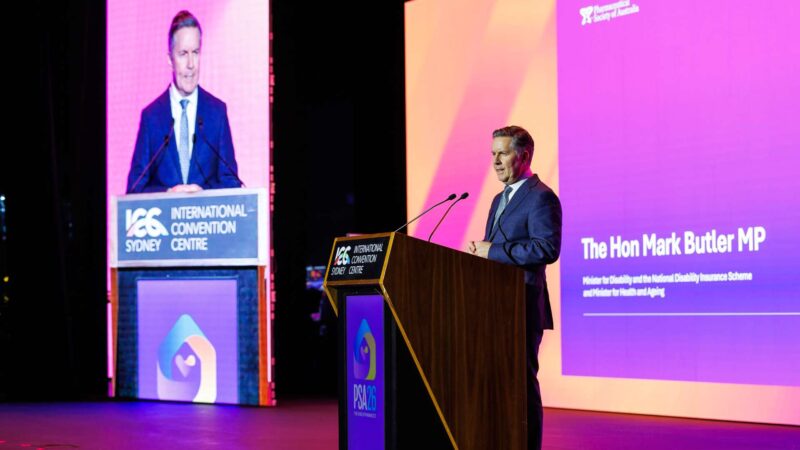
Greater flexibility in medicine safety programs delivered by pharmacists
Addressing delegates at PSA26, the Pharmaceutical Society of Australia’s (PSA) yearly conference, the Minister for Health and Ageing, the Hon. Mark Butler MP, announced negotiations are progressing on the First Pharmacy Programs Agreement (1PPA), and that from 1 November, follow-up services for Home Medicines Reviews (HMRs) and Residential Medication Management Reviews (RMMRs) programs will be able to be delivered via telehealth.
Post Views:
560
LIVED EXPERIENCE: Spontaneous Coronary Artery Dissection (SCAD)


Categories
- Allied Health 20
- Associations 57
- ARCS Australia 6
- Australasian College of Paramedicine 2
- Australian College of Nursing 13
- Australian Healthcare and Hospitals Association 9
- Australian Primary Health Care Nurses Association 3
- Consumers Health Forum of Australia 3
- Medical Technology Association of Australia 11
- Medicines Australia 2
- Pharmacy Society of Australia 5
- Royal Australian College for General Practitioners 3
- Australian state 34
- Awareness 3
- Bowel and Intestine 3
- Brain and Mind 29
- Cancer 9
- Career 53
- Charities 1
- Chronic disease 3
- Clinical Trials 30
- Conferences 14
- Core muscles 2
- Dental 13
- Ear, nose and throat ENT 2
- Education 17
- Endocrinology 7
- Episodes 6
- Eye Health 5
- FULL CIRCLE DIGITAL HEALTH 1
- Gastroenterology 2
- General Practice 13
- Global Health 1
- Government 29
- Haematology 2
- Health System 109
- Accessibility 5
- Allied Health 3
- Awards and Recognition 5
- Comprehensive Centre 1
- Consumer involvement 3
- Decision Support 1
- Funding 1
- Government 14
- Health Policy 8
- Industry 2
- Job Skills and Training 6
- New Models of Care 14
- Occupational Therapy 5
- Population screening 2
- Preventive Health 3
- Private Health 1
- Public Health 6
- Regulatory and Reimbursement 6
- Scope of Practice 5
- Social Prescribing 1
- Value-Based Health Care 4
- Workforce growth 12
- Workforce Survey 1
- Workforce wellbeing 6
- Heart 7
- Hospitals and Clinics 61
- Anaesthesia 2
- Co-design and adoption 6
- Construction 2
- COVID-19 3
- Emergency Department 7
- Environment / Sustainability 2
- Equipment 2
- Funding and Operating Models 7
- Health Services and Systems 4
- Infection Control 4
- Planning, Culture and Growth 2
- Point of Care 4
- Private Hospitals 1
- Surgery 5
- Workflow 1
- Wound Management 2
- Immunology 2
- Industry 1
- Infectious disease 1
- Innovation 9
- International health and research systems 1
- Lived Experience 2
- Lung 3
- Media Partners 3
- Medical Devices 17
- Medical Imaging 7
- Medical Management 1
- Medical Research 25
- Medical Technology 5
- Medicine 11
- Microbiota 1
- Musculoskeletal 6
- New Content 320
- Nursing 36
- Nutrition 2
- Oncology 6
- Op-Ed 3
- Oral Health 4
- Paramedics 5
- Patients 17
- Pharmacy 13
- Philanthropy, Foundations and Charity 2
- Population 79
- Aboriginal 3
- Cosmetic surgery 1
- Defence 2
- Disability 3
- Diversity, inclusion and equity 3
- Frail, Homebound and Bedridden Population 4
- Homeless 1
- Marginalised 1
- Men's Health 1
- Middle-aged 2
- New Parents 1
- Newborn / Neonatal 1
- Paediatric 13
- Palliative 2
- Rural and Remote 8
- Seniors and Aged Care 10
- Veterans 1
- Women and child birth 6
- Women's Health 13
- Youth 2
- Primary Health 16
- Region 1
- Reproduction, pregnancy & child birth 1
- Research 39
- Space Health & Medicine 2
- Startups 3
- Technology 46
- Training and Career 31
- Workforce sustainability 1