
-
Priming Australia for social prescribing
Social prescribing provides support in various areas of people’s lives, leading to increased confidence, improved navigation of systems, and enhanced friendships and trust in healthcare, while communities should be designed in an age-friendly way to prevent isolation.
In Part 1 of the Models of Care on Social Prescribing, Australian Health Journal spoke to 4 people advocating for social prescribing in Australia
-
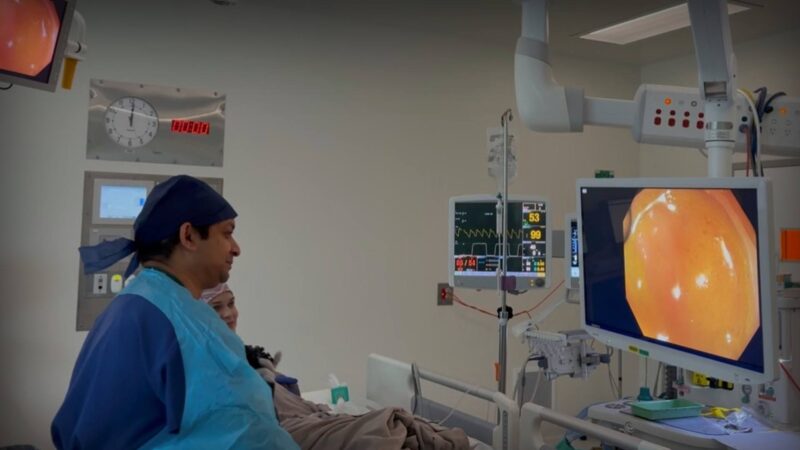
Streamlining and centralising training for gastroenterologists
Dr Amit Saha is a Paediatric Gastroenterologist and Hepatologist and trained paediatric endoscopist based in Perth. He underwent his higher specialist training in Paediatrics within the NHS in the UK, and sub-specialised in Paediatric Gastroenterology Hepatology & Nutrition at busy and prestigious centres in London including The Kings College Hospital.
-
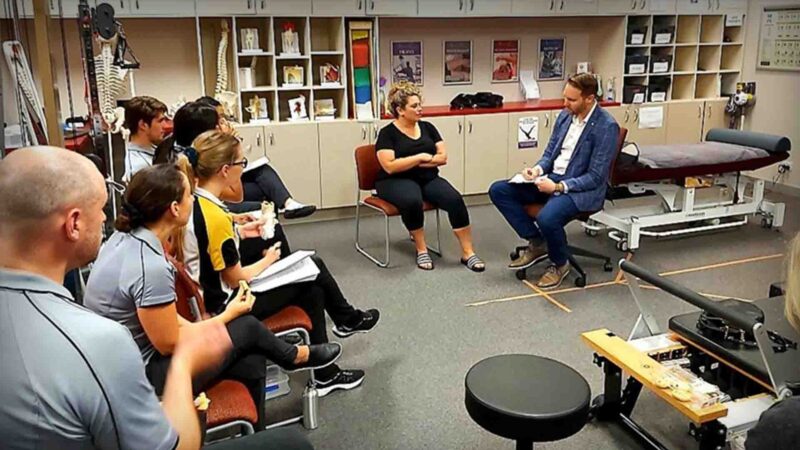
Specialist physiotherapist successfully mixes online & in-person
Dr. Kieran Richardson (FACP) is a Specialist Physiotherapist, conferred by the Australian College of Physiotherapists (Australian Physiotherapy Association) in 2016. Dr Richardson is the Director of Global Specialist Physiotherapy, a consultancy company providing online Formal Mentoring and Professional Development individual clinicians, clinics, and groups, as well as Second Opinions to clinicians and directly to patients all around the world.
Post Views:
2,602
Nurse recognised for reducing hospital waste

Categories
- Allied Health 15
- Associations 54
- ARCS Australia 6
- Australasian College of Paramedicine 2
- Australian College of Nursing 13
- Australian Healthcare and Hospitals Association 9
- Australian Primary Health Care Nurses Association 3
- Consumers Health Forum of Australia 3
- Medical Technology Association of Australia 8
- Medicines Australia 2
- Pharmacy Society of Australia 5
- Royal Australian College for General Practitioners 3
- Australian state 31
- Awareness 3
- Bowel and Intestine 1
- Brain and Mind 26
- Cancer 7
- Career 38
- Charities 1
- Chronic disease 2
- Clinical Trials 26
- Conferences 13
- Core muscles 1
- Dental 12
- Ear, nose and throat ENT 2
- Education 12
- Endocrinology 7
- Episodes 6
- Eye Health 3
- Gastroenterology 1
- General Practice 11
- Global Health 1
- Government 26
- Haematology 2
- Health System 93
- Accessibility 3
- Allied Health 3
- Awards and Recognition 4
- Comprehensive Centre 1
- Consumer involvement 3
- Decision Support 1
- Government 6
- Health Policy 4
- Industry 1
- Job Skills and Training 6
- New Models of Care 14
- Occupational Therapy 5
- Population screening 1
- Preventive Health 3
- Private Health 1
- Public Health 6
- Regulatory and Reimbursement 5
- Scope of Practice 5
- Social Prescribing 1
- Value-Based Health Care 4
- Workforce growth 9
- Workforce Survey 1
- Workforce wellbeing 6
- Heart 5
- Hospitals and Clinics 55
- Anaesthesia 2
- Co-design and adoption 6
- Construction 2
- COVID-19 3
- Emergency Department 7
- Environment / Sustainability 1
- Equipment 2
- Funding and Operating Models 3
- Health Services and Systems 4
- Infection Control 4
- Planning, Culture and Growth 2
- Point of Care 4
- Private Hospitals 1
- Surgery 5
- Workflow 1
- Wound Management 2
- Immunology 1
- Industry 1
- Innovation 8
- International health and research systems 1
- Lung 3
- Media Partners 3
- Medical Devices 15
- Medical Imaging 6
- Medical Management 1
- Medical Research 21
- Medicine 9
- Microbiota 1
- Musculoskeletal 5
- New Content 276
- Nursing 36
- Nutrition 2
- Oncology 5
- Oral Health 3
- Paramedics 5
- Patients 16
- Pharmacy 13
- Philanthropy, Foundations and Charity 2
- Population 64
- Aboriginal 3
- Cosmetic surgery 1
- Defence 2
- Disability 3
- Diversity, inclusion and equity 2
- Frail, Homebound and Bedridden Population 4
- Homeless 1
- Marginalised 1
- Men's Health 1
- Middle-aged 1
- New Parents 1
- Paediatric 11
- Palliative 2
- Rural and Remote 8
- Seniors and Aged Care 10
- Women and child birth 5
- Women's Health 5
- Youth 2
- Primary Health 15
- Region 1
- Research 33
- Startups 3
- Technology 40
- Training and Career 26
- Workforce sustainability 1