
-
25 years of non-indexation of nuclear medicine impeding access & affordability
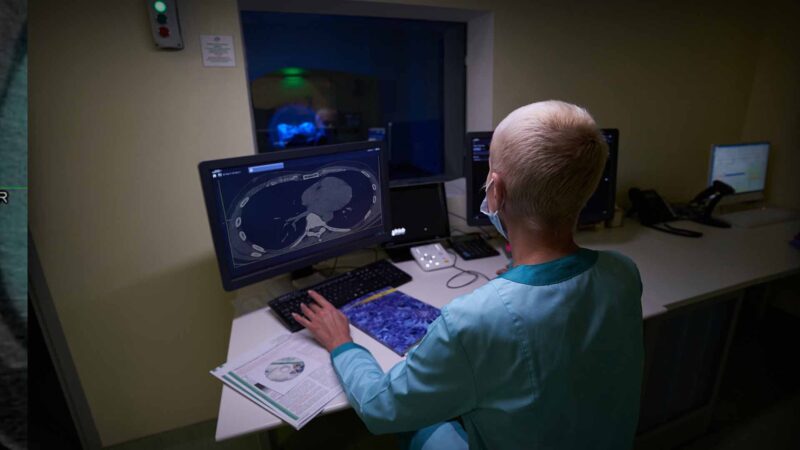
The President of the Australasian Association of Nuclear Medicine Specialists (AANMS), Associate Professor Sze Ting Lee spoke with Australian Health Journal about the following:
Usual levels of nuclear medicine services in Australia each year
Current levels of nuclear medicine services in Australia
How changing demographics in people moving to regional areas has impacted access to nuclear medicine services
The nuclear medicine workforce including trainees
The key recommendations from the pre-budget submissionIn the lead up to the Australian Federal Budget in May 2023, Australian Health Journal reached out to peak health industry bodies to hear about their priorities, either noted in pre-budget submissions lodged with Federal Government in January 2023 or in recent forums such as the Strengthening Medicare Taskforce.
-
Lived experience & human-centred design in healthcare
Recognised as one of the Top 100 Women of Influence by The Australian Financial Review, Melanie Tran is a visionary leader whose work lies at the intersection of design, technology, health, disability, and education. With a focus on human-centred design, digital strategy, and service design, she leads transformative initiatives as a Manager in Design, Digital and Data at Nous Group, a global consulting firm. Her work is driven by a deep passion for using creativity and technology to solve complex social challenges.
-
Enhancing occupational therapy service provision with military veterans
Almost half a million Australians have served with the Australian Defence Force. Given the high prevalence of physical and mental health conditions and complexity of civilian life adjustment after military service, high-quality occupational therapy services are critical. However, there is limited description of occupational therapy service provision to individuals funded by the Australian Department of Veterans’ Affairs to inform government policy.
A cross-sectional study, led by Professor Carol McKinstry, Professor of Occupational Therapy and Deputy Dean with La Trobe University’s Rural Health School at the Bendigo campus has used an online survey to collect information from occupational therapists providing services to Department of Veterans’ Affairs clients.
Post Views:
185
Clinical pain neuroscientist talks about how the brain processes pain information


Categories
- Allied Health 14
- Associations 54
- ARCS Australia 6
- Australasian College of Paramedicine 2
- Australian College of Nursing 13
- Australian Healthcare and Hospitals Association 9
- Australian Primary Health Care Nurses Association 3
- Consumers Health Forum of Australia 3
- Medical Technology Association of Australia 8
- Medicines Australia 2
- Pharmacy Society of Australia 5
- Royal Australian College for General Practitioners 3
- Australian state 29
- Awareness 3
- Bowel and Intestine 1
- Brain and Mind 26
- Cancer 7
- Career 37
- Charities 1
- Chronic disease 2
- Clinical Trials 26
- Conferences 13
- Core muscles 1
- Dental 12
- Ear, nose and throat ENT 2
- Education 11
- Endocrinology 6
- Episodes 6
- Eye Health 3
- Gastroenterology 1
- General Practice 10
- Global Health 1
- Government 26
- Haematology 2
- Health System 92
- Accessibility 2
- Allied Health 3
- Awards and Recognition 4
- Comprehensive Centre 1
- Consumer involvement 3
- Decision Support 1
- Government 6
- Health Policy 4
- Industry 1
- Job Skills and Training 6
- New Models of Care 14
- Occupational Therapy 5
- Population screening 1
- Preventive Health 3
- Private Health 1
- Public Health 6
- Regulatory and Reimbursement 5
- Scope of Practice 5
- Social Prescribing 1
- Value-Based Health Care 4
- Workforce growth 9
- Workforce Survey 1
- Workforce wellbeing 6
- Heart 5
- Hospitals and Clinics 54
- Anaesthesia 2
- Co-design and adoption 6
- Construction 2
- COVID-19 3
- Emergency Department 7
- Environment / Sustainability 1
- Equipment 2
- Funding and Operating Models 3
- Health Services and Systems 3
- Infection Control 4
- Planning, Culture and Growth 2
- Point of Care 4
- Private Hospitals 1
- Surgery 5
- Workflow 1
- Wound Management 2
- Immunology 1
- Industry 1
- Innovation 8
- International health and research systems 1
- Lung 3
- Media Partners 3
- Medical Devices 15
- Medical Imaging 6
- Medical Management 1
- Medical Research 20
- Medicine 9
- Microbiota 1
- Musculoskeletal 5
- New Content 270
- Nursing 36
- Nutrition 2
- Oncology 5
- Oral Health 3
- Paramedics 5
- Patients 16
- Pharmacy 12
- Philanthropy, Foundations and Charity 1
- Population 61
- Aboriginal 3
- Cosmetic surgery 1
- Defence 2
- Disability 2
- Diversity, inclusion and equity 1
- Frail, Homebound and Bedridden Population 4
- Homeless 1
- Marginalised 1
- Men's Health 1
- Middle-aged 1
- New Parents 1
- Paediatric 11
- Palliative 2
- Rural and Remote 8
- Seniors and Aged Care 10
- Women and child birth 4
- Women's Health 5
- Youth 2
- Primary Health 14
- Region 1
- Research 31
- Startups 3
- Technology 39
- Training and Career 26
- Workforce sustainability 1