
-
Cost of living relief for students training in national skills shortage fields
The Australian Government is expanding the Commonwealth Prac Payment to eligible students in 10 additional frontline allied health disciplines, providing financial support during mandatory university placements.
From 1 July 2027, eligible students studying audiology, pharmacy, radiography, clinical psychology, physiotherapy, rehabilitation therapies, occupational therapy, podiatry, speech pathology and paramedicine will be able to access the payment.
-
Understanding extracellular vesicles in cancer therapy research
Joy Wolfram is an Associate Professor at the Australian Institute for Bioengineering and Nanotechnology and the School of Chemical Engineering at the University of Queensland in Australia. Originally from Finland, she earned both her bachelor’s and master’s degrees in biology before transitioning to engineering with a PhD in nanotechnology completed in China. Wolfram has over a decade of experience working in hospitals in the United States before joining the University of Queensland.
Her research focuses on extracellular vesicles, which are crucial for cell communication both locally within tissues and over longer distances between organs. Her lab studies the roles of these vesicles in both health and disease, particularly in cancer. They investigate the harmful messages released by cancer cells that aid in tumour growth, specifically in breast cancer, while also exploring how to harness beneficial extracellular vesicles from healthy individuals as potential therapeutics.
-
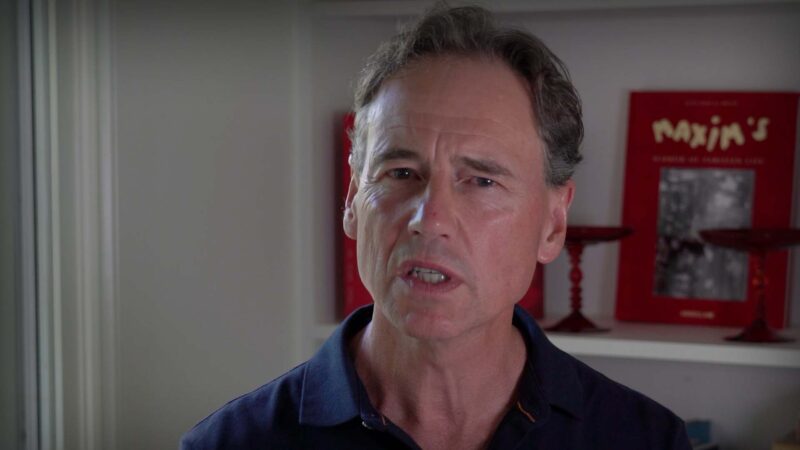
Message from former Australian Health Minister Hon Greg Hunt
The Honourable Greg Hunt served in the Australian Government as Minster for Health and Aged Care from 2017, previously as Industry, Innovation and Science Minister and before that the Environment Minister.
Elected as the Member for Flinders in 2001, Greg announced his retirement from politics late 2021 and in 2022, ahead of the Federal Election, having completed 20 years as a public servant.
Australian Health Journal recently caught up with Greg in a relaxed interview at his home in the Mornington Peninsula, Victoria to hear how a 9 month sabbatical has allowed him to focus on family, fitness and future. This has even included some “brutal spin cycle classes!”.
Post Views:
2,694
Warning signs of substance abuse and addiction


Categories
- Allied Health 21
- Associations 57
- ARCS Australia 6
- Australasian College of Paramedicine 2
- Australian College of Nursing 13
- Australian Healthcare and Hospitals Association 9
- Australian Primary Health Care Nurses Association 3
- Consumers Health Forum of Australia 3
- Medical Technology Association of Australia 11
- Medicines Australia 2
- Pharmacy Society of Australia 5
- Royal Australian College for General Practitioners 3
- Australian state 35
- Awareness 3
- Bowel and Intestine 3
- Brain and Mind 30
- Cancer 9
- Career 55
- Charities 1
- Chronic disease 3
- Clinical Trials 31
- Conferences 14
- Core muscles 2
- Dental 14
- Dermatology 1
- Ear, nose and throat ENT 2
- Education 19
- Endocrinology 7
- Episodes 6
- Eye Health 5
- FULL CIRCLE DIGITAL HEALTH 1
- Gastroenterology 2
- General Practice 13
- Global Health 1
- Government 30
- Haematology 2
- Health System 114
- Accessibility 5
- Allied Health 3
- Awards and Recognition 6
- Comprehensive Centre 1
- Consumer involvement 3
- Decision Support 1
- Disease Preparedness 1
- Funding 1
- Government 18
- Health Policy 9
- Industry 2
- Job Skills and Training 6
- New Models of Care 14
- Occupational Therapy 5
- Population screening 2
- Preventive Health 4
- Private Health 1
- Public Health 6
- Regulatory and Reimbursement 6
- Scope of Practice 5
- Social Prescribing 1
- Value-Based Health Care 4
- Workforce growth 12
- Workforce Survey 1
- Workforce wellbeing 6
- Heart 7
- Hospitals and Clinics 63
- Anaesthesia 3
- Co-design and adoption 6
- Construction 2
- COVID-19 3
- Emergency Department 7
- Environment / Sustainability 3
- Equipment 2
- Funding and Operating Models 7
- Health Services and Systems 4
- Infection Control 4
- Planning, Culture and Growth 2
- Point of Care 4
- Private Hospitals 1
- Surgery 6
- Workflow 1
- Wound Management 2
- Immunology 2
- Industry 1
- Infectious disease 1
- Innovation 11
- International health and research systems 1
- Lived Experience 2
- Lung 4
- Markets 1
- Media Partners 3
- Medical Devices 19
- Medical Imaging 7
- Medical Management 1
- Medical Research 27
- Medical Technology 6
- Medicine 12
- Microbiota 1
- Musculoskeletal 6
- New Content 331
- Nursing 36
- Nutrition 3
- Oncology 6
- Op-Ed 3
- Oral Health 4
- Paramedics 5
- Patients 17
- Pharmacy 13
- Philanthropy, Foundations and Charity 2
- Population 80
- Aboriginal 3
- Cosmetic surgery 1
- Defence 2
- Disability 3
- Diversity, inclusion and equity 3
- Frail, Homebound and Bedridden Population 4
- Homeless 1
- Marginalised 1
- Men's Health 1
- Middle-aged 2
- New Parents 1
- Newborn / Neonatal 1
- Paediatric 13
- Palliative 2
- Rural and Remote 8
- Seniors and Aged Care 10
- Veterans 1
- Women and child birth 7
- Women's Health 14
- Youth 2
- Primary Health 16
- Region 1
- Reproduction, pregnancy & child birth 1
- Research 40
- Research to Practice 1
- Space Health & Medicine 2
- Startups 3
- Technology 46
- Training and Career 33
- Workforce sustainability 1