Earlier this month, ARCS Australia held it’s Annual Conference at the International Convention Centre Sydney – ICC Sydney, with the theme of putting patients at the centre of healthcare. Uniquely, the conference included a number of patients who attended, presented or were referenced.
At the conference Anne Dao spoke with a number of health care professionals to get their thoughts on the future of health care and why patient centricity is so important.
-
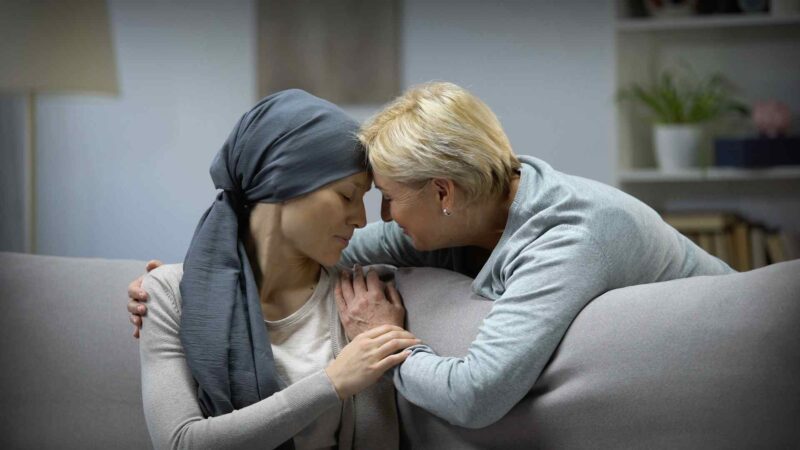
Growing impact of blood cancer on women
According to the Leukaemia Foundation, blood cancer is one of the most urgent and under-recognised women’s health issues in Australia, with three times more Australian women diagnosed with blood cancer than ovarian and cervical cancer combined (Source: AIHW, Cancer Data in Australia, 2024).
Blood cancer has also emerged as the second most common cancer diagnosed in Australian women overall – behind only breast cancer – and the leading cancer amongst girls and women under the age of 30 (Source: AIHW, Cancer Data in Australia, 2024).
-
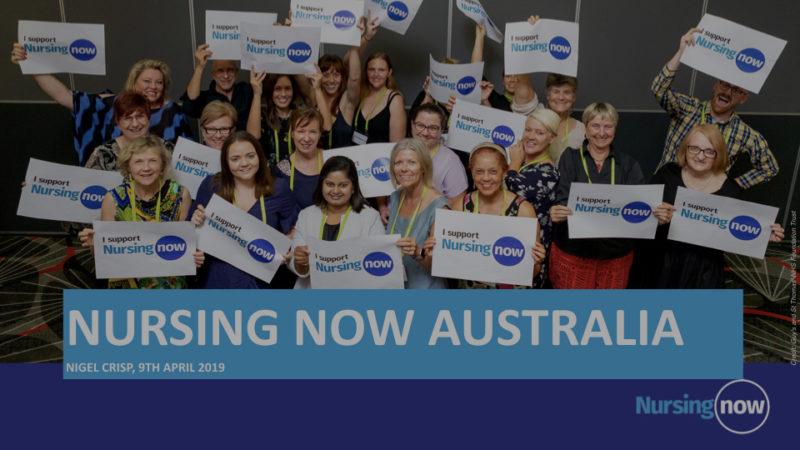
Nursing Now Australia Launches
The evening of Tuesday 9th April saw the launch of Nursing Now Australia in Sydney, with Lord Nigel Crisp, Co-Chair of Nursing Now.
Professor Christine Duffield FACN, President of Australian College of Nursing welcomed the start of the campaign and explained the relevance to Australian Nurses.
-
Journey of an ICU Nurse on International Nurses Day 2025
Kate Leigh is a clinical nurse at the Sir Charles Gairdner Hospital Intensive Care Unit in Perth, Western Australia, with seven and a half years of experience in intensive care, having started her career in London as a new graduate nurse. Initially focused on haematology, she found herself drawn to ICU after meeting a confident and knowledgeable nurse during a discharge. Inspired by his expertise and assuredness, Kate decided to pursue a transfer to Critical Care after seeing an internal advertisement that highlighted educational opportunities and professional development programs.