HEALTH CARE BRIEF: Pelvic Floor Dysfunction
Pelvic Floor Dysfunction – Lived experience, symptoms, diagnosis and treatment options

Pelvic Floor Dysfunction – Lived experience, symptoms, diagnosis and treatment options
The Australian Federal 2026–27 Budget included several significant announcements relating to allied health services for veterans, largely tied to the Government’s response to recommendations from the Royal Commission into Defence and Veteran Suicide.
Nearly half of women seeking help for menopause symptoms are already experiencing clinically significant distress by the time they ask for support, according to a recent national benchmark report released by Metluma.
The 2026 Australian Menopause Experience Report, based on insights from 1,468 women using Metluma’s UMA40 assessment tool, found 43% triggered at least one clinical red flag at baseline (referral to a doctor within 24-48 hours), with more than one in five presenting with multiple red flags linked to more complex symptom burden.
To mark International Clinical Trials Day 2026, Australian Health Journal commences a 4 part special series leaving up to 20th May. Through conversations with leading researchers, clinicians and trial organisations, the series highlights achievements in the year that was for clinical trials.
Negative results in a clinical trial can be extremely valuable — both scientifically and ethically. A “negative result” usually means the treatment being tested did not work better than the standard treatment, placebo, or expected outcome.
Negative results in a clinical trial can be extremely valuable — both scientifically and ethically. A “negative result” usually means the treatment being tested did not work better than the standard treatment, placebo, or expected outcome.
After 15 years in academia, Associate Professor Michelle Hill founded ProSeek bio to address one of the most urgent challenges in women’s health: closing the diagnostic gap in ovarian cancer.
For too long, women suspected of ovarian cancer have faced an impossible choice — undergo invasive surgery for diagnosis, only for up to 80% of those procedures to reveal no cancer, or delay intervention and risk diagnosis at a later stage when treatment options are fewer and survival outcomes are significantly worse.
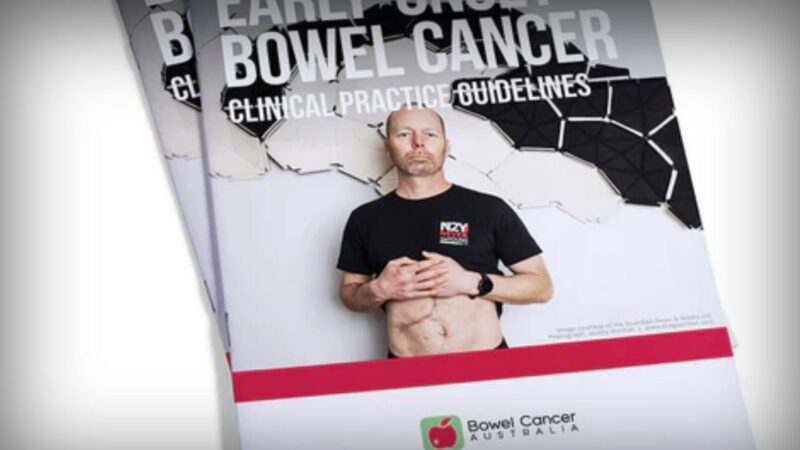
The National Health and Medical Research Council (NHMRC) has agreed to consider for approval the Clinical Practice Guidelines for the Early Diagnosis and Management of Early-Onset Colorectal Cancer (EOCRC), to be developed by Bowel Cancer Australia in collaboration with the Australian Living Evidence Collaboration (ALEC), and funded by Bowel Cancer Australia. ALEC is led by Cochrane Australia and based in the School of Public Health and Preventive Medicine at Monash University.
Many people struggle to access the right care at the right time, leading to gaps, delays, and confusion when navigating the health system. By fostering collaboration and integration, the Wellbeing Collaborative will support a primary care system that works better together, making it easier for individuals to receive early intervention and preventative care. By working together and in partnership, Sydney North Health Network aim to create more connected, accessible, and person-centred services that address key health challenges locally, including chronic illness, mental health, aged care, alcohol and other drugs (AOD), and suicide prevention.
Since the COVID-19 pandemic, consumer diagnostics have rapidly advanced, with more people becoming aware of and comfortable using at-home testing. These tests provide greater convenience, control, and empowerment, allowing individuals to monitor their health without immediately consulting a healthcare professional. Recently, this shift has been particularly impactful in areas such as pregnancy testing, where saliva-based diagnostics now enable earlier and more accessible detection.
Scope Australia is one of the largest not-for-profit disability service providers in Australia, supporting thousands of people with complex intellectual, physical, and multiple disabilities.
They operate across Victoria and New South Wales across more than 425 service locations.
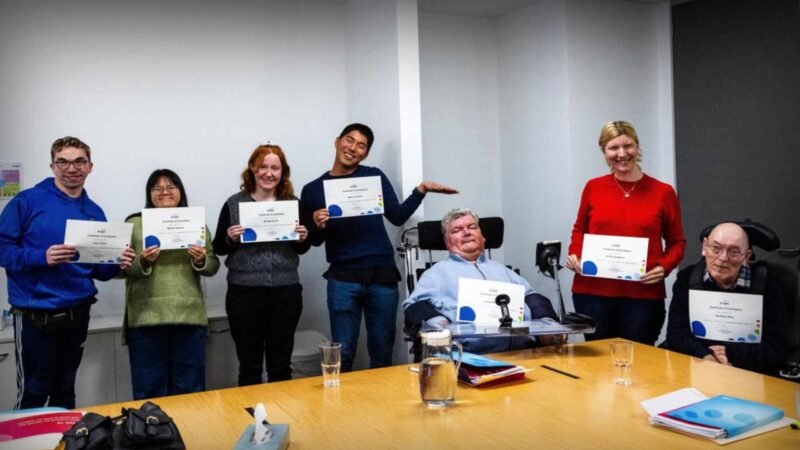
Scope’s research team developed a course about what research is and how to do research. Eight people with intellectual disability did the course. Five people took part in interviews to help Scope learn about the course and how to make it better.
Venous thromboembolism (VTE) – Incidence rates, symptoms, risks, research & innovation