Research

Recognising clinical trials and the people behind the research

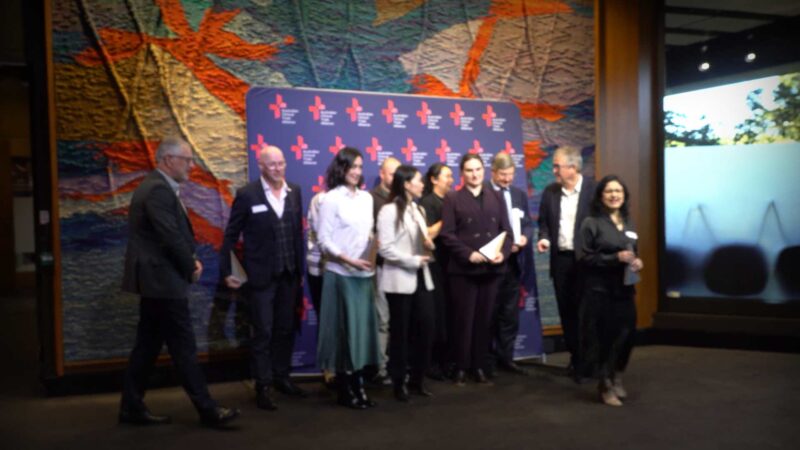
Australia’s clinical trials community came together to celebrate outstanding research and recognise the people and teams making a meaningful difference to healthcare at the 2026 ACTA Trial of the Year Awards.

Now in its 10th year, the awards continue to shine a light on investigator-led clinical trials and initiatives that are improving clinical practice, influencing healthcare policy and delivering better outcomes for patients across Australia and beyond.
Retaining a clinical perspective in macro level changes

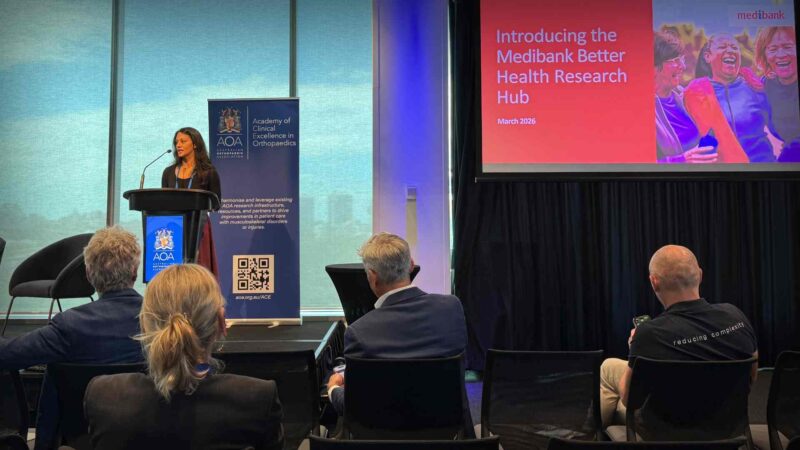
Dr Shona Sundaraj BAppSc (Phty), MBBS, FRACGP, MBA is Group Medical Director at Medibank, bringing over two decades of clinical and systems experience to strategy, research and stakeholder engagement. She leads the Medibank Better Health Research Hub and Chairs the Health Research Governance Committee, guiding stakeholder engagement, competitive grant rounds and partnerships with universities, translational research centres and peak bodies to support evidence based improvement in care.

Global Women’s Health report identifies concerning drop in Australian breast cancer screening

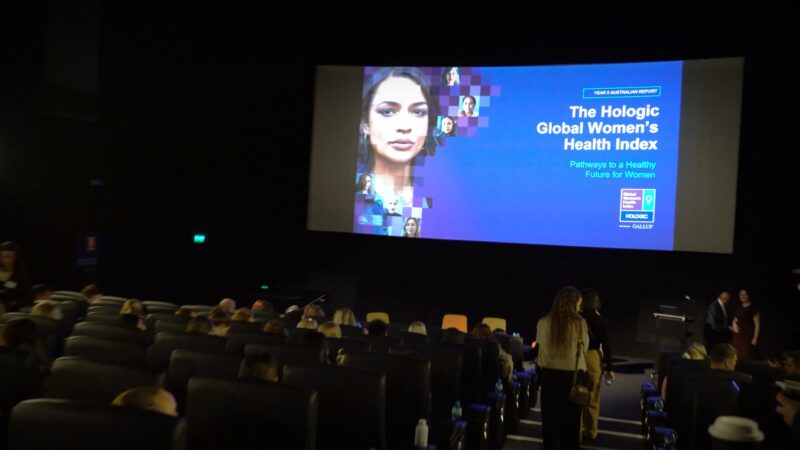
The Hologic Global Women’s Health Index is one of the largest global reports dedicated exclusively to women’s health and wellbeing. Now in its fifth year, the Index tracks women’s health across five dimensions , Preventive Care, Emotional Health, Opinions of Health and Safety, Basic Needs and Individual Health – across 144 countries and territories, covering 97 per cent of the global adult population.

Closing the diagnostic gap in ovarian cancer detection

After 15 years in academia, Associate Professor Michelle Hill founded ProSeek bio to address one of the most urgent challenges in women’s health: closing the diagnostic gap in ovarian cancer.

For too long, women suspected of ovarian cancer have faced an impossible choice — undergo invasive surgery for diagnosis, only for up to 80% of those procedures to reveal no cancer, or delay intervention and risk diagnosis at a later stage when treatment options are fewer and survival outcomes are significantly worse.

Space Health & Medicine on Australia’s Clinical Launchpad

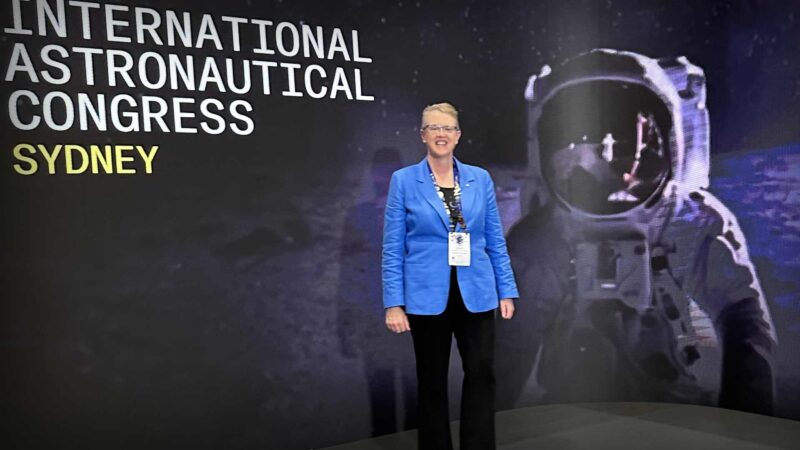
Professor Smart is a veteran, medical doctor, health leader, aerospace medicine specialist, and retired Royal Australian Air Force (RAAF) senior officer. She is currently at the Professor, Military and Aerospace Medicine at the Australian National University (ANU), and serves as the Interim Director of the ANU Defence Institute, and as a Mission Specialist at the ANU Institute for Space. She previously served as the University’s COVID-19 Public Health Lead from 2020 to 2022.

HEALTH CARE BRIEF: Anaphylaxis

Anaphylaxis – Incidence rates, risks, causes, management, population trends & research

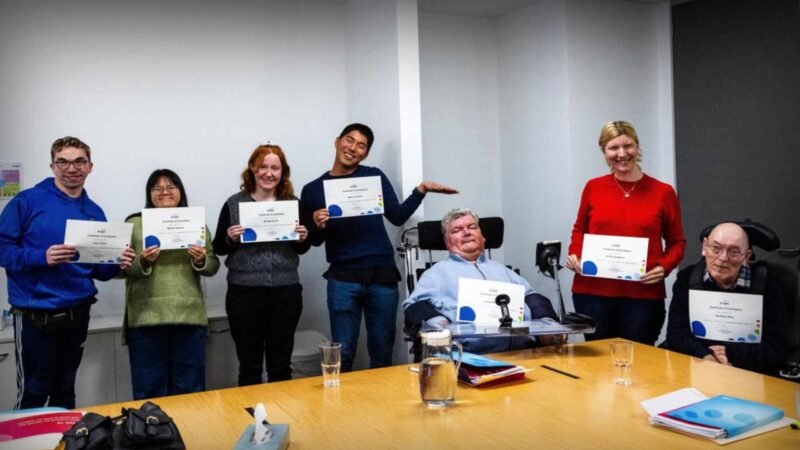
Course developed for people with intellectual disability to learn about research

Scope Australia is one of the largest not-for-profit disability service providers in Australia, supporting thousands of people with complex intellectual, physical, and multiple disabilities. 
They operate across Victoria and New South Wales across more than 425 service locations.

Scope’s research team developed a course about what research is and how to do research. Eight people with intellectual disability did the course. Five people took part in interviews to help Scope learn about the course and how to make it better.

HEALTH CARE BRIEF: Type 1 Diabetes (T1D)

Type 1 Diabetes – Incidence rates, management, lived experience & research

Confronting picture of growing women’s health crisis in uterine cancers

Uterine cancers have become Australia’s fastest-growing women’s cancer, with incidence doubling over the past 25 years and projected to continue to surge. Without immediate action, more than 44,000 women are expected to be diagnosed by 2035, and 8,900 will lose their lives to the disease.

Released November 2025, Australia’s first State of the Nation: Uterine Cancers in Australia 2025 report by the Australia New Zealand Gynaecological Oncology Group (ANZGOG), reveals a confronting picture of a growing women’s health crisis that has gone largely unseen and one that now requires immediate, coordinated national action.

Mission to raise awareness of sarcoma and need for clinical trial funding

Sarcoma, a rare and aggressive cancer, remains the deadliest cancer for children and young adults, accounting for nearly one third (30%) of cancer-related deaths among those aged 15–24 and one tenth (10%) of those aged 0–14. Further, still severely under-diagnosed, sarcoma only accounts for one sixth (15%) of all cancer diagnoses in the 15 – 24 age group, and less than a tenth (8%) among children under 10.

Scroll to top