
Technology

Digital tools help hospitals reduce missed appointments

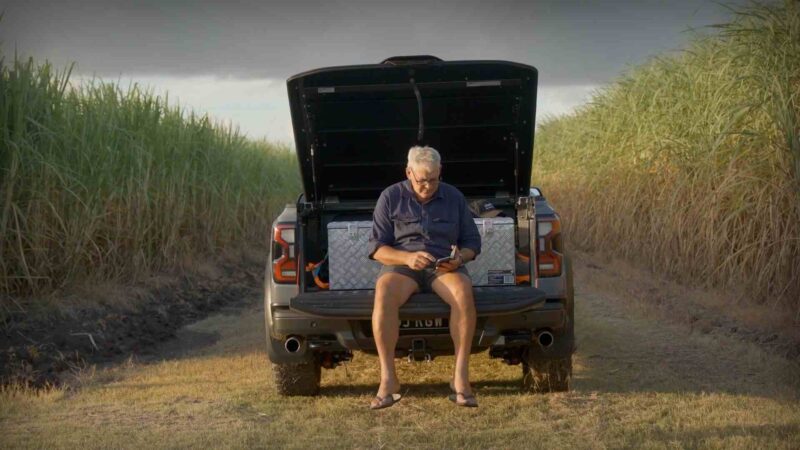
Nicole Nixon, CEO of Five Faces, says the Brisbane-based digital experience and software platform company is helping hospitals make outpatient and perioperative patient journeys easier for both patients and clinicians.

In an interview with the Australian Health Journal filmed at Australasian Institute of Digital Health (AIDH) recent HIC26 conference in Sydney, Nixon explains how Five Faces’ digital front door platform supports patients from the moment an appointment is created, providing information about appointments, preparation, hospital facilities and wayfinding. Patients can also complete digital forms and receive timely notifications, reminders and resources designed to reduce missed or cancelled appointments.

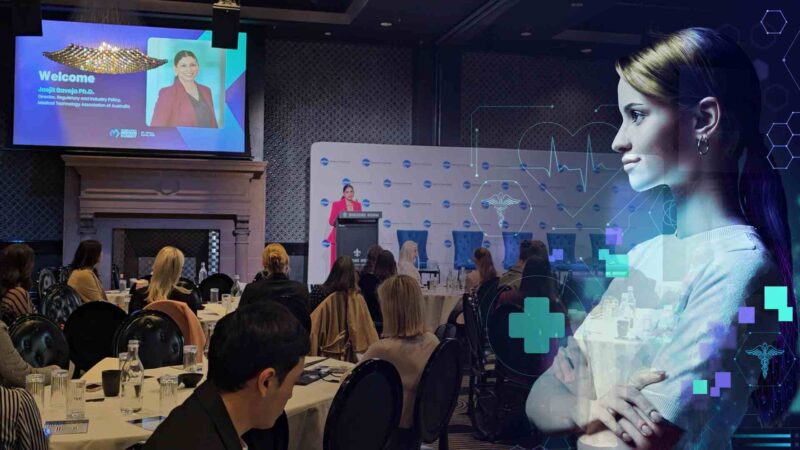
Breaking silos to transform women’s health through MedTech

In an interview with Australian Health Journal, Jasjit Baveja, Director of Regulatory and Industry Policy at the Medical Technology Association of Australia (MTAA), highlighted the growing importance of medical technology in addressing longstanding inequities in women’s health.

Drawing on the outcomes of the inaugural MTAA Women’s Health MedTech Summit, she explained how the event brought together clinicians, researchers, industry leaders, regulators, investors, government representatives and patient advocates to tackle complex challenges through a collaborative approach.

Funding roadblocks creating digital health inequity

Helen Souris, CEO and Executive Director of Cardihab and Chair of the Digital Health Advisory Group at the Medical Technology Association of Australia (MTAA), highlights the significant gap in cardiac rehabilitation access across Australia. Despite the proven benefits of cardiac rehabilitation in improving survival, quality of life, and reducing hospital admissions, around 80% of eligible patients do not receive this care, with access rates even lower in regional and rural communities.

Gaining a better understanding of perimenopause and menopause

Nearly half of women seeking help for menopause symptoms are already experiencing clinically significant distress by the time they ask for support, according to a recent national benchmark report released by Metluma.

The 2026 Australian Menopause Experience Report, based on insights from 1,468 women using Metluma’s UMA40 assessment tool, found 43% triggered at least one clinical red flag at baseline (referral to a doctor within 24-48 hours), with more than one in five presenting with multiple red flags linked to more complex symptom burden.

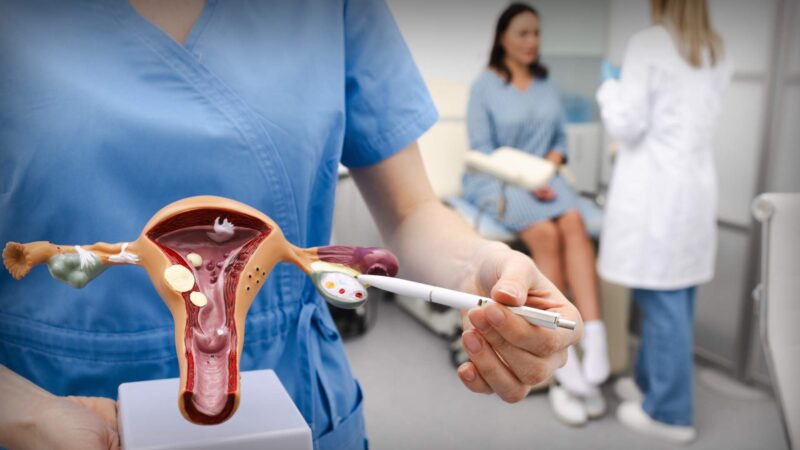
Closing the diagnostic gap in ovarian cancer detection

After 15 years in academia, Associate Professor Michelle Hill founded ProSeek bio to address one of the most urgent challenges in women’s health: closing the diagnostic gap in ovarian cancer.

For too long, women suspected of ovarian cancer have faced an impossible choice — undergo invasive surgery for diagnosis, only for up to 80% of those procedures to reveal no cancer, or delay intervention and risk diagnosis at a later stage when treatment options are fewer and survival outcomes are significantly worse.

Evolution in consumer diagnostics with saliva based pathology

Since the COVID-19 pandemic, consumer diagnostics have rapidly advanced, with more people becoming aware of and comfortable using at-home testing. These tests provide greater convenience, control, and empowerment, allowing individuals to monitor their health without immediately consulting a healthcare professional. Recently, this shift has been particularly impactful in areas such as pregnancy testing, where saliva-based diagnostics now enable earlier and more accessible detection.

New AIDH digital strategy adds pillar to previous aims

Australasian Institute of Digital Health (AIDH), today has released the AIDH Strategic Plan for 2026–2028, recently approved by the Board. This plan acts as a roadmap, as well as a shared statement of purpose and intent, guiding where AIDH will focus its effort, investment and voice over the next three years.

Access and productivity outcomes with radiology technology in Western Sydney

In Western Sydney, there is currently significant growth accompanied by a notable need for cardiovascular support due to the prevalence of related diseases. It is estimated that the population in this area will reach 6 million by 2041.

With this population growth, there is also a pressing shortage of healthcare professionals in Australia, particularly in the field of radiology, where there are not enough radiographers, sonographers, MRI technicians, and nuclear medicine technicians.

Rapid trend shift in radiology technology and accessibility

Dr Mansoor Parker obtained his medical degree from the University of Tasmania. He then completed his specialist radiology training at Nepean Hospital, Sydney with subspecialty interests in Interventional Radiology and Pain Management, Musculoskeletal, Cardiac and Abdominal Imaging. Dr Parker is a qualified specialist since 2005 and is a member of the Royal Australian and New Zealand College of Radiologists and the exclusive Australasian Musculoskeletal Imaging Group (AMSIG) as well as the Interventional Radiology Society of Australasia (IRSA).

Surgeon-scientist path laid for medical device research

In 2022, Distinguished Professor Gordon Wallace AO and Professor Mukherjee jointly established Beyond Science as a clinician led, academically supported and clinician run Australian-first medical technology translation program.

The program is aimed at early career researchers and clinician-scientists working in medical device research specifically in otolaryngology (ear, nose, and throat), head and neck surgery.

Scroll to top