
-
Sharing the same goals in value-based procurement
Value-based procurement (VBP) is a journey, not a sprint. It’s about putting the patient at the centre of quality affordable healthcare through changes in procurement practices for medical technologies. Patient outcomes drive value and sustainability, not just price. The bigger picture indicates that VBP will create system cost saving through benefitting patients, rather than trying to attain the reverse – a win-win outcome.
-
Maximising benefits, minimising harms in population health screening
Population screening is an important contributor to advancing health outcomes through the early detection of and successful intervention for chronic disease. The evolution of science, technology and evidence relating to diseases which are or may be amenable to a population screening approach deserve broad discussion and the sharing of expertise and evidence. They also warrant close scrutiny in context of health policy and health resource allocation considerations.
In March, Public Health Association of Australia (PHAA) convened Screening Conference Conference 2025 with the theme of ‘Population Screening for Chronic Disease – Maximising Benefits, Minimising Harms’.
-
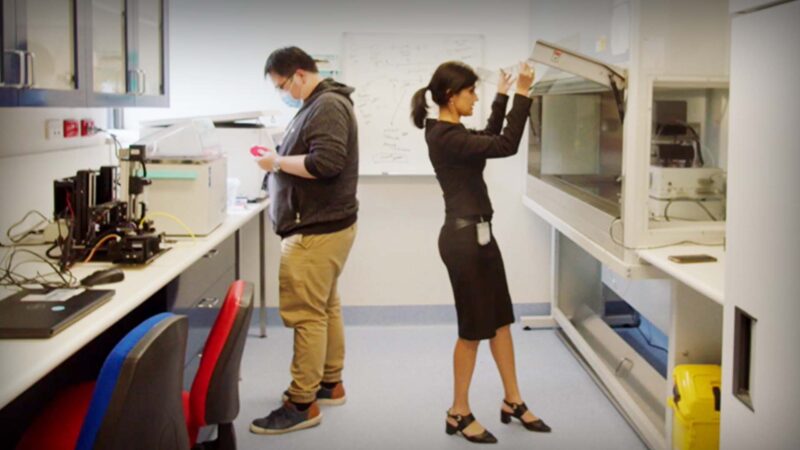
Surgeon-scientist path laid for medical device research
In 2022, Distinguished Professor Gordon Wallace AO and Professor Mukherjee jointly established Beyond Science as a clinician led, academically supported and clinician run Australian-first medical technology translation program.
The program is aimed at early career researchers and clinician-scientists working in medical device research specifically in otolaryngology (ear, nose, and throat), head and neck surgery.
Post Views:
3,439
Brain cancer Professor mentors Tasmanian researchers


Categories
- Allied Health 15
- Associations 54
- ARCS Australia 6
- Australasian College of Paramedicine 2
- Australian College of Nursing 13
- Australian Healthcare and Hospitals Association 9
- Australian Primary Health Care Nurses Association 3
- Consumers Health Forum of Australia 3
- Medical Technology Association of Australia 8
- Medicines Australia 2
- Pharmacy Society of Australia 5
- Royal Australian College for General Practitioners 3
- Australian state 31
- Awareness 3
- Bowel and Intestine 1
- Brain and Mind 26
- Cancer 7
- Career 38
- Charities 1
- Chronic disease 2
- Clinical Trials 26
- Conferences 13
- Core muscles 1
- Dental 12
- Ear, nose and throat ENT 2
- Education 12
- Endocrinology 7
- Episodes 6
- Eye Health 3
- Gastroenterology 1
- General Practice 11
- Global Health 1
- Government 26
- Haematology 2
- Health System 93
- Accessibility 3
- Allied Health 3
- Awards and Recognition 4
- Comprehensive Centre 1
- Consumer involvement 3
- Decision Support 1
- Government 6
- Health Policy 4
- Industry 1
- Job Skills and Training 6
- New Models of Care 14
- Occupational Therapy 5
- Population screening 1
- Preventive Health 3
- Private Health 1
- Public Health 6
- Regulatory and Reimbursement 5
- Scope of Practice 5
- Social Prescribing 1
- Value-Based Health Care 4
- Workforce growth 9
- Workforce Survey 1
- Workforce wellbeing 6
- Heart 5
- Hospitals and Clinics 55
- Anaesthesia 2
- Co-design and adoption 6
- Construction 2
- COVID-19 3
- Emergency Department 7
- Environment / Sustainability 1
- Equipment 2
- Funding and Operating Models 3
- Health Services and Systems 4
- Infection Control 4
- Planning, Culture and Growth 2
- Point of Care 4
- Private Hospitals 1
- Surgery 5
- Workflow 1
- Wound Management 2
- Immunology 1
- Industry 1
- Innovation 8
- International health and research systems 1
- Lung 3
- Media Partners 3
- Medical Devices 15
- Medical Imaging 6
- Medical Management 1
- Medical Research 21
- Medicine 9
- Microbiota 1
- Musculoskeletal 5
- New Content 276
- Nursing 36
- Nutrition 2
- Oncology 5
- Oral Health 3
- Paramedics 5
- Patients 16
- Pharmacy 13
- Philanthropy, Foundations and Charity 2
- Population 64
- Aboriginal 3
- Cosmetic surgery 1
- Defence 2
- Disability 3
- Diversity, inclusion and equity 2
- Frail, Homebound and Bedridden Population 4
- Homeless 1
- Marginalised 1
- Men's Health 1
- Middle-aged 1
- New Parents 1
- Paediatric 11
- Palliative 2
- Rural and Remote 8
- Seniors and Aged Care 10
- Women and child birth 5
- Women's Health 5
- Youth 2
- Primary Health 15
- Region 1
- Research 33
- Startups 3
- Technology 40
- Training and Career 26
- Workforce sustainability 1