
-
New AIDH digital strategy adds pillar to previous aims
Australasian Institute of Digital Health (AIDH), today has released the AIDH Strategic Plan for 2026–2028, recently approved by the Board. This plan acts as a roadmap, as well as a shared statement of purpose and intent, guiding where AIDH will focus its effort, investment and voice over the next three years.
-
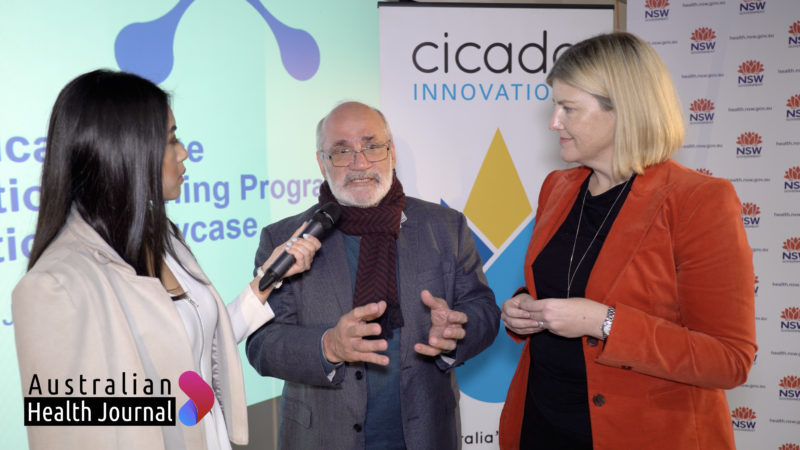
NSW Medical Device Commercialisation Training Program (MDCTP) Graduation 2019
Cicada Innovations with NSW Health this week hosted the graduation night for the 15 individuals that were part of the NSW Medical Device Commercialisation Training Program (MDCTP).
-
New Generative AI and machine learning frontier on unused patient care data
Drawing from GE’s 125-year legacy in healthcare, Amit Yadav, CEO GE HealthCare ANZ is leading efforts to integrate AI into medical imaging devices and optimise workflow efficiencies. He stresses the importance of leveraging the vast amount of untapped healthcare data, with an emphasis on automating manual processes to enhance productivity. Additionally, his focus extends to utilising AI for workflow optimisation and ensuring compliance with local regulations and standards to prioritise safety.
Post Views:
2,948
SAHMRI Celebrates 10 Years of Research


Categories
- Allied Health 15
- Associations 54
- ARCS Australia 6
- Australasian College of Paramedicine 2
- Australian College of Nursing 13
- Australian Healthcare and Hospitals Association 9
- Australian Primary Health Care Nurses Association 3
- Consumers Health Forum of Australia 3
- Medical Technology Association of Australia 8
- Medicines Australia 2
- Pharmacy Society of Australia 5
- Royal Australian College for General Practitioners 3
- Australian state 31
- Awareness 3
- Bowel and Intestine 1
- Brain and Mind 26
- Cancer 7
- Career 38
- Charities 1
- Chronic disease 2
- Clinical Trials 26
- Conferences 13
- Core muscles 1
- Dental 12
- Ear, nose and throat ENT 2
- Education 12
- Endocrinology 7
- Episodes 6
- Eye Health 3
- Gastroenterology 1
- General Practice 11
- Global Health 1
- Government 26
- Haematology 2
- Health System 93
- Accessibility 3
- Allied Health 3
- Awards and Recognition 4
- Comprehensive Centre 1
- Consumer involvement 3
- Decision Support 1
- Government 6
- Health Policy 4
- Industry 1
- Job Skills and Training 6
- New Models of Care 14
- Occupational Therapy 5
- Population screening 1
- Preventive Health 3
- Private Health 1
- Public Health 6
- Regulatory and Reimbursement 5
- Scope of Practice 5
- Social Prescribing 1
- Value-Based Health Care 4
- Workforce growth 9
- Workforce Survey 1
- Workforce wellbeing 6
- Heart 5
- Hospitals and Clinics 55
- Anaesthesia 2
- Co-design and adoption 6
- Construction 2
- COVID-19 3
- Emergency Department 7
- Environment / Sustainability 1
- Equipment 2
- Funding and Operating Models 3
- Health Services and Systems 4
- Infection Control 4
- Planning, Culture and Growth 2
- Point of Care 4
- Private Hospitals 1
- Surgery 5
- Workflow 1
- Wound Management 2
- Immunology 1
- Industry 1
- Innovation 8
- International health and research systems 1
- Lung 3
- Media Partners 3
- Medical Devices 15
- Medical Imaging 6
- Medical Management 1
- Medical Research 21
- Medicine 9
- Microbiota 1
- Musculoskeletal 5
- New Content 276
- Nursing 36
- Nutrition 2
- Oncology 5
- Oral Health 3
- Paramedics 5
- Patients 16
- Pharmacy 13
- Philanthropy, Foundations and Charity 2
- Population 64
- Aboriginal 3
- Cosmetic surgery 1
- Defence 2
- Disability 3
- Diversity, inclusion and equity 2
- Frail, Homebound and Bedridden Population 4
- Homeless 1
- Marginalised 1
- Men's Health 1
- Middle-aged 1
- New Parents 1
- Paediatric 11
- Palliative 2
- Rural and Remote 8
- Seniors and Aged Care 10
- Women and child birth 5
- Women's Health 5
- Youth 2
- Primary Health 15
- Region 1
- Research 33
- Startups 3
- Technology 40
- Training and Career 26
- Workforce sustainability 1