Last week the MedTech19 Annual Conference was held in Sydney. Covering themes of cyber security, innovation, policy and patients in the medical device landscape, the Medical Device Association of Australia (MTAA) organised conference brought together members, policy makers, industry and others with an interest in the impact of medical devices in patient care.
MTAA CEO Ian Burgess wrapped up Day 1 and looked ahead to Day 2.
MTAA’s annual conference is the premier medical technology industry conference in Australia and brings together leaders and influencers across industry, government and academia to discuss what’s up ahead for the MedTech industry.
-
Startup Advances Biosensing
Melbourne based Nutromics is looking to solve some of the biggest healthcare challenges, by delivering on a mission to revolutionise precision medicine with Continuous Molecular Monitoring (CMM). Nutromics is developing biosensor technology integrated into a small and unobtrusive wearable smart patch.The software solution aims to be flexible and designed to connect with mobile and web solutions for integration with consumer health software and hospital platforms.
-
Child Dental Benefits Schedule needing greater awareness
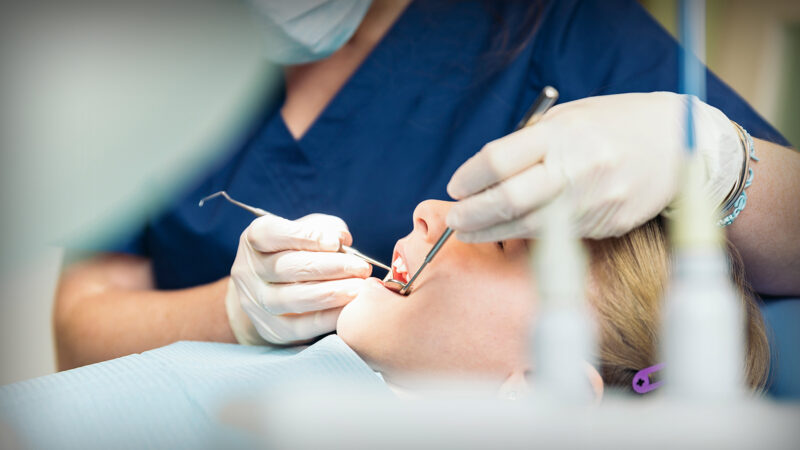
Since its launch in 2014, the Child Dental Benefits Schedule has seen a gradual increase in participation year on year. The impact of COVID-19 and related shutdowns saw participation fall sharply in 2020. Though it increased 2021, the national target of 41% participation was not reached in 2021-2022, with the total (35.4%) more than three percent below 2018 participation rates.
In an opinion segment, Australian Health Journal spoke with Abano Healthcare Group Clinical Director, Dr Fred Calavassy, with over 30 years of clinical experience, about his observations of the Child Dental Benefits Scheme ways to increasing participation rates.
-
New Generative AI and machine learning frontier on unused patient care data
Drawing from GE’s 125-year legacy in healthcare, Amit Yadav, CEO GE HealthCare ANZ is leading efforts to integrate AI into medical imaging devices and optimise workflow efficiencies. He stresses the importance of leveraging the vast amount of untapped healthcare data, with an emphasis on automating manual processes to enhance productivity. Additionally, his focus extends to utilising AI for workflow optimisation and ensuring compliance with local regulations and standards to prioritise safety.