Hospital Products Australia (HPA) exhibited at last week’s Australian Healthcare Week. Anne Dao spoke with Managing Director Shawn Wigham on the advanced equipment HPA supply, that combines technology and furnishings within the clinical setting.
-
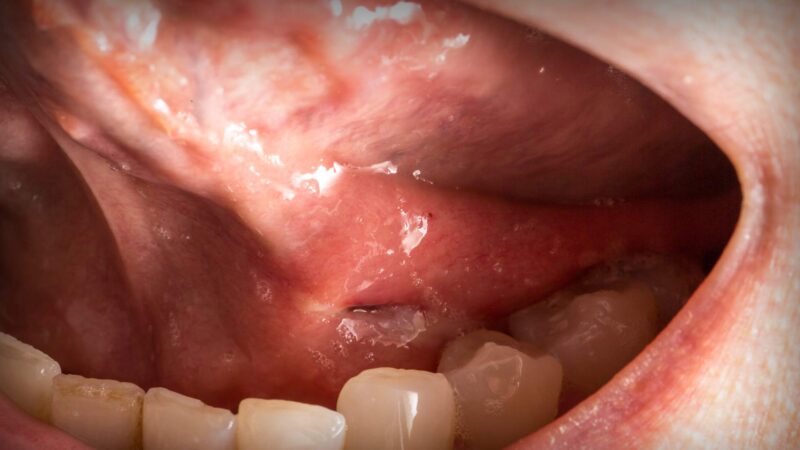
Observations in diagnosis and treatment of oral cancer over the past 45 years
Peter Thomson is Academic Head of Dentistry and Professor of Oral & Maxillofacial Sciences in the College of Medicine & Dentistry at James Cook University, Australia. A UK and Australian specialist in Oral & Maxillofacial Surgery and Oral Medicine, he qualified BDS from Manchester University and MBBS from Newcastle upon Tyne, gaining Fellowships in Dental Surgery from the Royal College of Surgeons of England, Ireland and Glasgow and a Fellowship in Surgery from Edinburgh, specializing in Head & Neck Oncology.
-
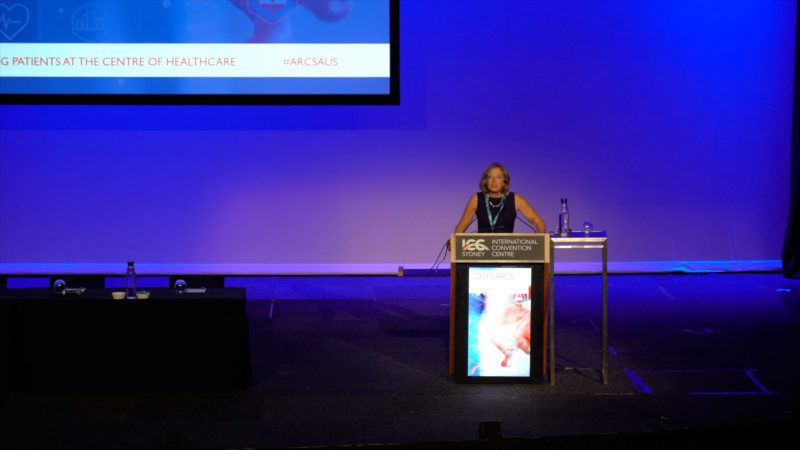
ARCS Annual Conference 2019
Earlier this month, ARCS Australia held it’s Annual Conference at the International Convention Centre Sydney – ICC Sydney, with the theme of putting patients at the centre of healthcare. Uniquely, the conference included a number of patients who attended, presented or were referenced.
-
Clinical trial site in primary care setting open for novel therapies in psychiatry
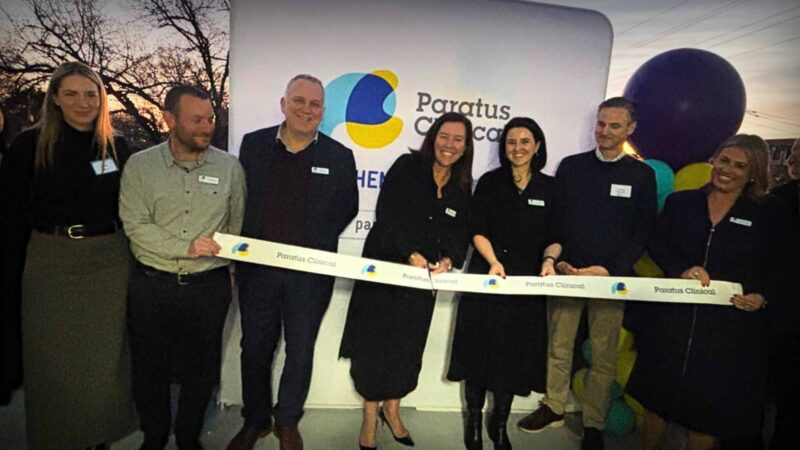
Over the past decade, Paratus has been involved in over 200 clinical trials across 4 clinical site locations. Now a fifth site, the newly opened Melbourne site will cater to both primary care and psychiatry, specifically designed for psychedelic studies.
The new Melbourne site will be a focused on primary care studies specifically expanding access to psychiatric research, a growing area of unmet need. Australian Health Journal met with 3 recent hires brought in to support clinical trials across the organisation and in psychiatry in Melbourne.