
-
New research papers show productivity gains and gaps
Commissioner Catherine De Fontenay talks about the Productivity Commission’s new approach to analysing health productivity, shifting the perspective from the unit measurement of individuals using the health system to the actual improvement of health. This has shown Australia’s health treatment productivity is improving, but identifies gaps in preventative health measures and duplication, where digital technology needs to be more effectively used.
-
Addressing Wound Management
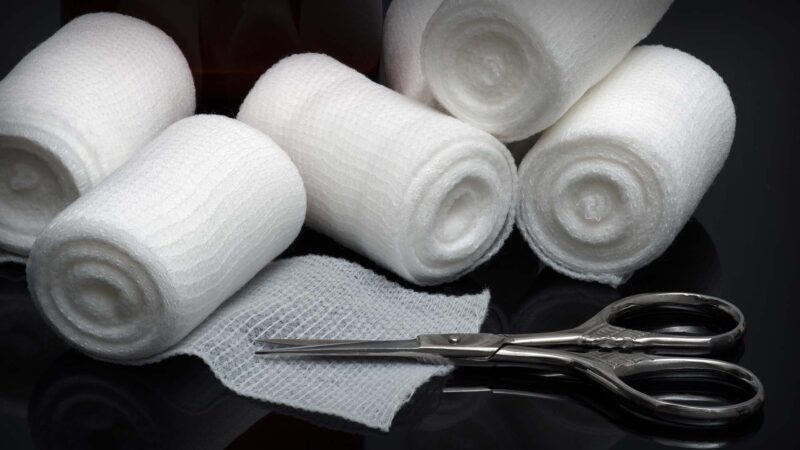
The cost of chronic wounds in Australia is estimated to be $3 Billion per year, impacting 420,000 Australians. Not only is this a national economic concern, but more importantly, is the suffering the person may be going through.
Australian Health Journal met with Hayley Ryan, Board Director and Chair at Wounds Australia and Director at WoundRescue to hear her work in chronic wound management, palliative wounds and pressure injury prevention to comfort those living with a wound.
-
Medicinal cannabis in Australia Update
According to the Australian Journal of General Practice, published by the Royal Australian College of General Practitioners, more than 130,000 medicinal cannabis approvals have been issued in Australia to date, mostly by general practitioners, with approximately 65% of these to treat chronic non-cancer pain. Despite robust supportive data from animal models, current clinical trial evidence for THC and CBD efficacy in chronic pain is incomplete. In their prescribing decisions, doctors must balance patient demand and curiosity with caution regarding potential risks and limited efficacy (Source: https://www1.racgp.org.au/ajgp/2021/october/medicinal-cannabis)
Australian Health Journal met with 3 speakers at the recent @arcsaustralia ARCS22 Conference providing an update on medicinal cannabis. The discussion with the speakers now centres on affordability and access.
Post Views:
788
Physiotherapy approach to jaw & facial pain ties with dental expertise


Categories
- Allied Health 15
- Associations 54
- ARCS Australia 6
- Australasian College of Paramedicine 2
- Australian College of Nursing 13
- Australian Healthcare and Hospitals Association 9
- Australian Primary Health Care Nurses Association 3
- Consumers Health Forum of Australia 3
- Medical Technology Association of Australia 8
- Medicines Australia 2
- Pharmacy Society of Australia 5
- Royal Australian College for General Practitioners 3
- Australian state 29
- Awareness 3
- Bowel and Intestine 1
- Brain and Mind 26
- Cancer 7
- Career 38
- Charities 1
- Chronic disease 2
- Clinical Trials 26
- Conferences 13
- Core muscles 1
- Dental 12
- Ear, nose and throat ENT 2
- Education 12
- Endocrinology 7
- Episodes 6
- Eye Health 3
- Gastroenterology 1
- General Practice 11
- Global Health 1
- Government 26
- Haematology 2
- Health System 92
- Accessibility 2
- Allied Health 3
- Awards and Recognition 4
- Comprehensive Centre 1
- Consumer involvement 3
- Decision Support 1
- Government 6
- Health Policy 4
- Industry 1
- Job Skills and Training 6
- New Models of Care 14
- Occupational Therapy 5
- Population screening 1
- Preventive Health 3
- Private Health 1
- Public Health 6
- Regulatory and Reimbursement 5
- Scope of Practice 5
- Social Prescribing 1
- Value-Based Health Care 4
- Workforce growth 9
- Workforce Survey 1
- Workforce wellbeing 6
- Heart 5
- Hospitals and Clinics 55
- Anaesthesia 2
- Co-design and adoption 6
- Construction 2
- COVID-19 3
- Emergency Department 7
- Environment / Sustainability 1
- Equipment 2
- Funding and Operating Models 3
- Health Services and Systems 4
- Infection Control 4
- Planning, Culture and Growth 2
- Point of Care 4
- Private Hospitals 1
- Surgery 5
- Workflow 1
- Wound Management 2
- Immunology 1
- Industry 1
- Innovation 8
- International health and research systems 1
- Lung 3
- Media Partners 3
- Medical Devices 15
- Medical Imaging 6
- Medical Management 1
- Medical Research 20
- Medicine 9
- Microbiota 1
- Musculoskeletal 5
- New Content 274
- Nursing 36
- Nutrition 2
- Oncology 5
- Oral Health 3
- Paramedics 5
- Patients 16
- Pharmacy 13
- Philanthropy, Foundations and Charity 1
- Population 63
- Aboriginal 3
- Cosmetic surgery 1
- Defence 2
- Disability 3
- Diversity, inclusion and equity 2
- Frail, Homebound and Bedridden Population 4
- Homeless 1
- Marginalised 1
- Men's Health 1
- Middle-aged 1
- New Parents 1
- Paediatric 11
- Palliative 2
- Rural and Remote 8
- Seniors and Aged Care 10
- Women and child birth 5
- Women's Health 5
- Youth 2
- Primary Health 14
- Region 1
- Research 33
- Startups 3
- Technology 40
- Training and Career 26
- Workforce sustainability 1