
-
Medicinal cannabis in Australia Update
According to the Australian Journal of General Practice, published by the Royal Australian College of General Practitioners, more than 130,000 medicinal cannabis approvals have been issued in Australia to date, mostly by general practitioners, with approximately 65% of these to treat chronic non-cancer pain. Despite robust supportive data from animal models, current clinical trial evidence for THC and CBD efficacy in chronic pain is incomplete. In their prescribing decisions, doctors must balance patient demand and curiosity with caution regarding potential risks and limited efficacy (Source: https://www1.racgp.org.au/ajgp/2021/october/medicinal-cannabis)
Australian Health Journal met with 3 speakers at the recent @arcsaustralia ARCS22 Conference providing an update on medicinal cannabis. The discussion with the speakers now centres on affordability and access.
-
Smart technology in wound care
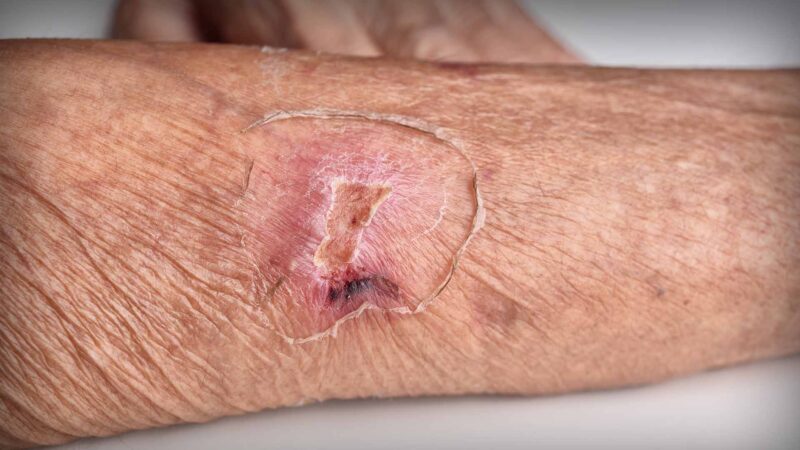
Throughout her journey around wound care, Santosh Kaur was frustrated to see the simple gaps in wound care resulting in negative patient outcomes. Santosh is the founder of SmartHeal which launched in 2020.
SmartHeal replaces the nurses taking cumbersome manual measurements and manual sharing of important wound data with a no touch technique. It aims for healthcare professionals to have live remote access to wound data, make wound assessments and assist with speech to text notes thus saving time, cost and people. SmartHeal also aims to assist healthcare professionals in providing optimum wound care by analysing the wound tissue for infection, moisture and providing suggestions for suitable dressing.
-
Handling modern day diets and misinformation as a HCP
Laureate Professor Clare Collins AO in Nutrition and Dietetics at the University of Newcastle, emphasises the need for accurate and reliable nutrition information to reach the public. Prof Collins believes that it is vital for clinicians to stay up-to-date with cutting-edge nutrition science and work with communication organisations to disseminate information to the general public. This is particularly important as social media is full of both reliable and unreliable information on dietary patterns, such as veganism.
Post Views:
2,028
Forum fosters dialogue in breast cancer


Categories
- Allied Health 20
- Associations 57
- ARCS Australia 6
- Australasian College of Paramedicine 2
- Australian College of Nursing 13
- Australian Healthcare and Hospitals Association 9
- Australian Primary Health Care Nurses Association 3
- Consumers Health Forum of Australia 3
- Medical Technology Association of Australia 11
- Medicines Australia 2
- Pharmacy Society of Australia 5
- Royal Australian College for General Practitioners 3
- Australian state 34
- Awareness 3
- Bowel and Intestine 3
- Brain and Mind 29
- Cancer 9
- Career 54
- Charities 1
- Chronic disease 3
- Clinical Trials 30
- Conferences 14
- Core muscles 2
- Dental 14
- Ear, nose and throat ENT 2
- Education 18
- Endocrinology 7
- Episodes 6
- Eye Health 5
- FULL CIRCLE DIGITAL HEALTH 1
- Gastroenterology 2
- General Practice 13
- Global Health 1
- Government 29
- Haematology 2
- Health System 110
- Accessibility 5
- Allied Health 3
- Awards and Recognition 5
- Comprehensive Centre 1
- Consumer involvement 3
- Decision Support 1
- Funding 1
- Government 15
- Health Policy 9
- Industry 2
- Job Skills and Training 6
- New Models of Care 14
- Occupational Therapy 5
- Population screening 2
- Preventive Health 3
- Private Health 1
- Public Health 6
- Regulatory and Reimbursement 6
- Scope of Practice 5
- Social Prescribing 1
- Value-Based Health Care 4
- Workforce growth 12
- Workforce Survey 1
- Workforce wellbeing 6
- Heart 7
- Hospitals and Clinics 62
- Anaesthesia 2
- Co-design and adoption 6
- Construction 2
- COVID-19 3
- Emergency Department 7
- Environment / Sustainability 3
- Equipment 2
- Funding and Operating Models 7
- Health Services and Systems 4
- Infection Control 4
- Planning, Culture and Growth 2
- Point of Care 4
- Private Hospitals 1
- Surgery 5
- Workflow 1
- Wound Management 2
- Immunology 2
- Industry 1
- Infectious disease 1
- Innovation 10
- International health and research systems 1
- Lived Experience 2
- Lung 3
- Media Partners 3
- Medical Devices 18
- Medical Imaging 7
- Medical Management 1
- Medical Research 26
- Medical Technology 5
- Medicine 11
- Microbiota 1
- Musculoskeletal 6
- New Content 323
- Nursing 36
- Nutrition 2
- Oncology 6
- Op-Ed 3
- Oral Health 4
- Paramedics 5
- Patients 17
- Pharmacy 13
- Philanthropy, Foundations and Charity 2
- Population 80
- Aboriginal 3
- Cosmetic surgery 1
- Defence 2
- Disability 3
- Diversity, inclusion and equity 3
- Frail, Homebound and Bedridden Population 4
- Homeless 1
- Marginalised 1
- Men's Health 1
- Middle-aged 2
- New Parents 1
- Newborn / Neonatal 1
- Paediatric 13
- Palliative 2
- Rural and Remote 8
- Seniors and Aged Care 10
- Veterans 1
- Women and child birth 7
- Women's Health 14
- Youth 2
- Primary Health 16
- Region 1
- Reproduction, pregnancy & child birth 1
- Research 39
- Space Health & Medicine 2
- Startups 3
- Technology 46
- Training and Career 32
- Workforce sustainability 1