
-
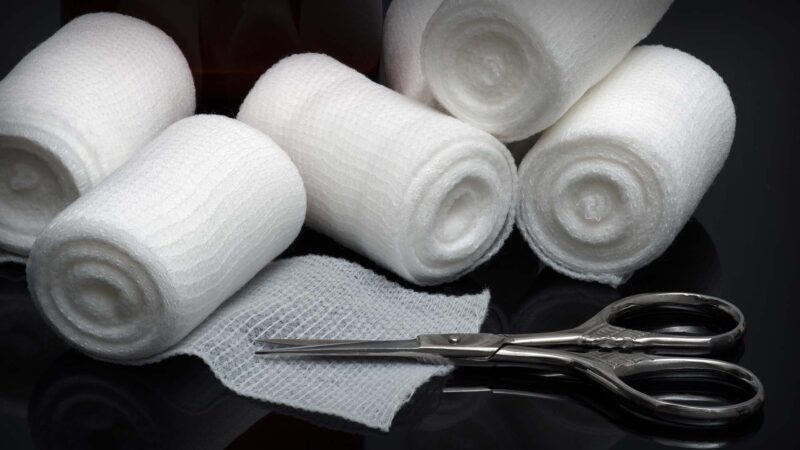
Addressing Wound Management
The cost of chronic wounds in Australia is estimated to be $3 Billion per year, impacting 420,000 Australians. Not only is this a national economic concern, but more importantly, is the suffering the person may be going through.
Australian Health Journal met with Hayley Ryan, Board Director and Chair at Wounds Australia and Director at WoundRescue to hear her work in chronic wound management, palliative wounds and pressure injury prevention to comfort those living with a wound.
-
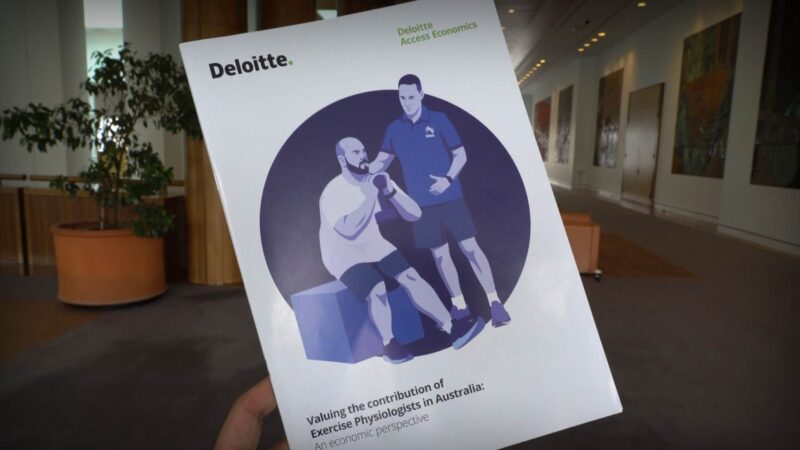
Valuing the Contribution of Exercise Physiologists in Australia
Exercise physiologists are saving the Australian health system at least $940 million across six chronic health conditions every three years, a Deloitte Access Economics report has found.
Backed by three decades of rigorous peer-reviewed science, exercise physiology delivers services to 243,000 Australians per week, translating to more than 1.16 million unique patients annually, primarily through 9,800 Accredited Exercise Physiologists (AEPs) nationwide.
-
Investments to address health inequities in Prostate Cancer Care
Income, education, geographical location, and discrimination based on ethnicity, race, gender and sexual orientation, are only a fraction of factors that can negatively affect a person’s quality of cancer care. This is defined as the “equity gap” and it’s costing people their lives.
Timed to coincide with World Cancer Day 4th February 2025, Movember announced prostate cancer investment of $5.5 million. Eighteen grants (16 proposals and 2 community development grants) are slated to directly tackle inequities in prostate cancer care. The funding will be over three years with the grants spread across five countries – six in Canada, five in the United Kingdom, three in Australia, three in the United States and one in Ireland – each having a specific focus population and care area.
Post Views:
1,298
Physiotherapy approach to jaw & facial pain ties with dental expertise

Categories
- Allied Health 20
- Associations 57
- ARCS Australia 6
- Australasian College of Paramedicine 2
- Australian College of Nursing 13
- Australian Healthcare and Hospitals Association 9
- Australian Primary Health Care Nurses Association 3
- Consumers Health Forum of Australia 3
- Medical Technology Association of Australia 11
- Medicines Australia 2
- Pharmacy Society of Australia 5
- Royal Australian College for General Practitioners 3
- Australian state 34
- Awareness 3
- Bowel and Intestine 3
- Brain and Mind 29
- Cancer 9
- Career 53
- Charities 1
- Chronic disease 3
- Clinical Trials 30
- Conferences 14
- Core muscles 2
- Dental 13
- Ear, nose and throat ENT 2
- Education 17
- Endocrinology 7
- Episodes 6
- Eye Health 5
- FULL CIRCLE DIGITAL HEALTH 1
- Gastroenterology 2
- General Practice 13
- Global Health 1
- Government 29
- Haematology 2
- Health System 109
- Accessibility 5
- Allied Health 3
- Awards and Recognition 5
- Comprehensive Centre 1
- Consumer involvement 3
- Decision Support 1
- Funding 1
- Government 14
- Health Policy 8
- Industry 2
- Job Skills and Training 6
- New Models of Care 14
- Occupational Therapy 5
- Population screening 2
- Preventive Health 3
- Private Health 1
- Public Health 6
- Regulatory and Reimbursement 6
- Scope of Practice 5
- Social Prescribing 1
- Value-Based Health Care 4
- Workforce growth 12
- Workforce Survey 1
- Workforce wellbeing 6
- Heart 7
- Hospitals and Clinics 61
- Anaesthesia 2
- Co-design and adoption 6
- Construction 2
- COVID-19 3
- Emergency Department 7
- Environment / Sustainability 2
- Equipment 2
- Funding and Operating Models 7
- Health Services and Systems 4
- Infection Control 4
- Planning, Culture and Growth 2
- Point of Care 4
- Private Hospitals 1
- Surgery 5
- Workflow 1
- Wound Management 2
- Immunology 2
- Industry 1
- Infectious disease 1
- Innovation 9
- International health and research systems 1
- Lived Experience 2
- Lung 3
- Media Partners 3
- Medical Devices 17
- Medical Imaging 7
- Medical Management 1
- Medical Research 25
- Medical Technology 5
- Medicine 11
- Microbiota 1
- Musculoskeletal 6
- New Content 320
- Nursing 36
- Nutrition 2
- Oncology 6
- Op-Ed 3
- Oral Health 4
- Paramedics 5
- Patients 17
- Pharmacy 13
- Philanthropy, Foundations and Charity 2
- Population 79
- Aboriginal 3
- Cosmetic surgery 1
- Defence 2
- Disability 3
- Diversity, inclusion and equity 3
- Frail, Homebound and Bedridden Population 4
- Homeless 1
- Marginalised 1
- Men's Health 1
- Middle-aged 2
- New Parents 1
- Newborn / Neonatal 1
- Paediatric 13
- Palliative 2
- Rural and Remote 8
- Seniors and Aged Care 10
- Veterans 1
- Women and child birth 6
- Women's Health 13
- Youth 2
- Primary Health 16
- Region 1
- Reproduction, pregnancy & child birth 1
- Research 39
- Space Health & Medicine 2
- Startups 3
- Technology 46
- Training and Career 31
- Workforce sustainability 1