-
Integrated oral health care in midwifery practice
There is limited emphasis being placed on perinatal oral health by prenatal care providers in Australia. Pregnant women have no system in place that can offer them regular oral assessment during pregnancy and prompt dental treatment at minimal or no cost as experienced in other countries. To address the oral health needs of pregnant women, a unique midwifery initiated oral health (MIOH) model was developed to promote and maintain maternal oral health.
-
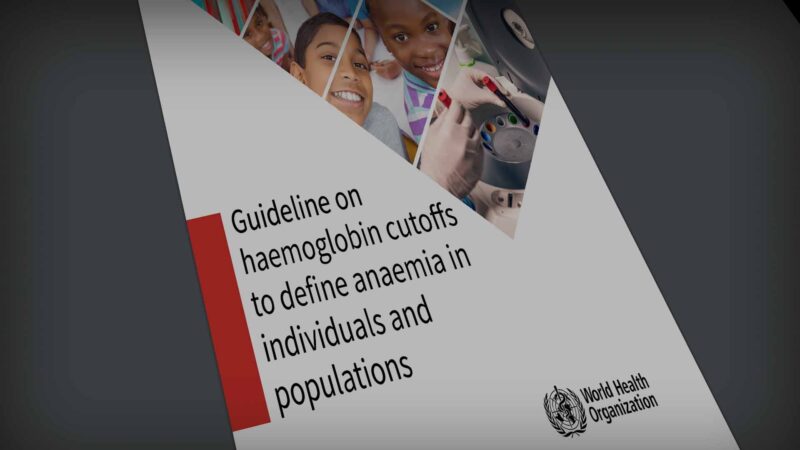
Landmark Australian-led study revises thresholds to diagnose and treat anaemia
In 2014, WEHI researchers began a study at the request of the World Health Organization (WHO), to formally review its global anaemia guidelines that were last updated in 1968.
Study lead and Acting WEHI Deputy Director, Professor Sant-Rayn Pasricha, speaking to Australian Health Journal said while anaemia can be diagnosed by measuring the amount of haemoglobin in the blood, there is currently no consensus on the thresholds that should be used to define the condition. -
New clinical research entity first to operate across both Australia and New Zealand
Over the past 30 years, 18,000 clinical trials that have been registered in Australia, with the sector contributing $1.4 billion to Australia’s economy annually. Trials are a critical aspect of evidence-based medicine, and are essential for testing how new treatments, tests and vaccines will work. In New Zealand they contribute $146 million to the New Zealand economy.
To capitalise on this unique position and growth, a coordinated multi-site clinical research operation was missing, until now.
Post Views:
722
From nurse, to roles in medtech marketing, championing women’s health


Categories
- Allied Health 22
- Associations 57
- ARCS Australia 6
- Australasian College of Paramedicine 2
- Australian College of Nursing 13
- Australian Healthcare and Hospitals Association 9
- Australian Primary Health Care Nurses Association 3
- Consumers Health Forum of Australia 3
- Medical Technology Association of Australia 11
- Medicines Australia 2
- Pharmacy Society of Australia 5
- Royal Australian College for General Practitioners 3
- Australian state 35
- Awareness 3
- Bowel and Intestine 3
- Brain and Mind 30
- Cancer 9
- Career 57
- Charities 1
- Chronic disease 3
- Clinical Trials 31
- Conferences 14
- Core muscles 2
- Dental 14
- Dermatology 1
- Ear, nose and throat ENT 2
- Education 19
- Endocrinology 7
- Episodes 6
- Eye Health 5
- FULL CIRCLE DIGITAL HEALTH 1
- Gastroenterology 2
- General Practice 13
- Global Health 1
- Government 30
- Haematology 2
- Health System 115
- Accessibility 5
- Allied Health 3
- Awards and Recognition 6
- Comprehensive Centre 1
- Consumer involvement 3
- Decision Support 1
- Disease Preparedness 1
- Funding 1
- Government 18
- Health Policy 9
- Industry 2
- Job Skills and Training 6
- New Models of Care 15
- Occupational Therapy 5
- Population screening 2
- Preventive Health 4
- Private Health 1
- Public Health 6
- Regulatory and Reimbursement 6
- Scope of Practice 5
- Social Prescribing 1
- Value-Based Health Care 4
- Workforce growth 12
- Workforce Survey 1
- Workforce wellbeing 6
- Heart 7
- Hospitals and Clinics 65
- Anaesthesia 3
- Co-design and adoption 6
- Construction 2
- COVID-19 3
- Emergency Department 8
- Environment / Sustainability 4
- Equipment 2
- Funding and Operating Models 7
- Health Services and Systems 4
- Infection Control 4
- Planning, Culture and Growth 2
- Point of Care 4
- Private Hospitals 1
- Surgery 6
- Workflow 1
- Wound Management 2
- Immunology 3
- Industry 1
- Infectious disease 1
- Innovation 11
- International health and research systems 1
- Lived Experience 2
- Lung 4
- Markets 1
- Media Partners 3
- Medical Devices 19
- Medical Imaging 7
- Medical Management 1
- Medical Research 28
- Medical Technology 6
- Medicine 12
- Microbiota 1
- Musculoskeletal 6
- New Content 334
- Nursing 36
- Nutrition 3
- Oncology 6
- Op-Ed 3
- Oral Health 4
- Paramedics 5
- Patients 17
- Pharmacy 13
- Philanthropy, Foundations and Charity 2
- Population 80
- Aboriginal 3
- Cosmetic surgery 1
- Defence 2
- Disability 3
- Diversity, inclusion and equity 3
- Frail, Homebound and Bedridden Population 4
- Homeless 1
- Marginalised 1
- Men's Health 1
- Middle-aged 2
- New Parents 1
- Newborn / Neonatal 1
- Paediatric 13
- Palliative 2
- Rural and Remote 8
- Seniors and Aged Care 10
- Veterans 1
- Women and child birth 7
- Women's Health 14
- Youth 2
- Primary Health 16
- Region 1
- Reproduction, pregnancy & child birth 1
- Research 43
- Research to Practice 1
- Space Health & Medicine 2
- Startups 3
- Technology 46
- Training and Career 34
- Workforce sustainability 1