
-
Founder makes mobility reality
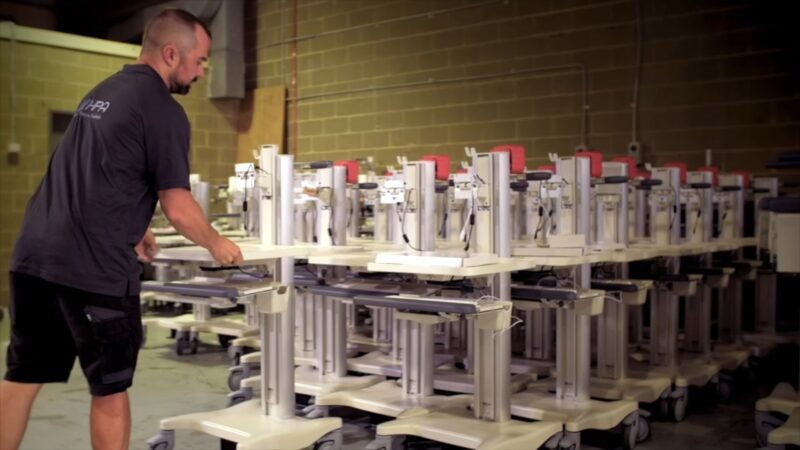
Shawn Wigham as Managing Director of Hospital Products Australia (HPA), runs a successful business providing equipment to Australia’s health care teams in aged care, hospitals and day-hospital procedure centres.
But what most may not be aware of, is his rapid growth since starting the business in 2013 having just been in health care a few years earlier. Being part of a 2nd generation health care family, Shawn learnt from his father on site and at trade show visits overseas. Prior to HPA, he spent 2 years working in fit-outs of operating theatres, neo-natal and general population ICU, throughout being more fascinated with what he saw.
-
World first in rural and remote nursing
In March 2023, the Australian Government released the National Rural and Remote Nursing Generalist Framework 2023–2027. The Framework is a world first and describes the unique context of practice and core capabilities for rural and remote Registered Nurses in Australia.
The Framework was developed by the Office of the National Rural Health Commissioner and Australian Health Journal spoke with National Rural Health Commissioner, Adjunct Professor Ruth Stewart, and Deputy National Rural Health Commissioner – Nursing and Midwifery, Adjunct Professor Shelley Nowlan, on the importance of rural and remote nursing and of the Framework itself.
-
A New Era in Primary Health Care Nursing
Coinciding with this year’s International Nurses Day, this week’s Federal Budget has had some significant outcomes for the primary health care, nursing workforce.
The Federal Budget delivered on 9th May 2023, APNA believes will strengthen Australia’s primary health care (PHC) system by addressing growing nursing shortages, seeing more nurses hired where they are needed, and better utilising the largest workforce in PHC of nearly 100,000 nurses to their full potential to reduce the pressure on the health system.
Post Views:
270
LIVED EXPERIENCE: severe aortic valve stenosis (aortic stenosis)


Categories
- Allied Health 22
- Associations 57
- ARCS Australia 6
- Australasian College of Paramedicine 2
- Australian College of Nursing 13
- Australian Healthcare and Hospitals Association 9
- Australian Primary Health Care Nurses Association 3
- Consumers Health Forum of Australia 3
- Medical Technology Association of Australia 11
- Medicines Australia 2
- Pharmacy Society of Australia 5
- Royal Australian College for General Practitioners 3
- Australian state 35
- Awareness 3
- Bowel and Intestine 3
- Brain and Mind 30
- Cancer 9
- Career 55
- Charities 1
- Chronic disease 3
- Clinical Trials 31
- Conferences 14
- Core muscles 2
- Dental 14
- Dermatology 1
- Ear, nose and throat ENT 2
- Education 19
- Endocrinology 7
- Episodes 6
- Eye Health 5
- FULL CIRCLE DIGITAL HEALTH 1
- Gastroenterology 2
- General Practice 13
- Global Health 1
- Government 30
- Haematology 2
- Health System 115
- Accessibility 5
- Allied Health 3
- Awards and Recognition 6
- Comprehensive Centre 1
- Consumer involvement 3
- Decision Support 1
- Disease Preparedness 1
- Funding 1
- Government 18
- Health Policy 9
- Industry 2
- Job Skills and Training 6
- New Models of Care 15
- Occupational Therapy 5
- Population screening 2
- Preventive Health 4
- Private Health 1
- Public Health 6
- Regulatory and Reimbursement 6
- Scope of Practice 5
- Social Prescribing 1
- Value-Based Health Care 4
- Workforce growth 12
- Workforce Survey 1
- Workforce wellbeing 6
- Heart 7
- Hospitals and Clinics 64
- Anaesthesia 3
- Co-design and adoption 6
- Construction 2
- COVID-19 3
- Emergency Department 8
- Environment / Sustainability 3
- Equipment 2
- Funding and Operating Models 7
- Health Services and Systems 4
- Infection Control 4
- Planning, Culture and Growth 2
- Point of Care 4
- Private Hospitals 1
- Surgery 6
- Workflow 1
- Wound Management 2
- Immunology 2
- Industry 1
- Infectious disease 1
- Innovation 11
- International health and research systems 1
- Lived Experience 2
- Lung 4
- Markets 1
- Media Partners 3
- Medical Devices 19
- Medical Imaging 7
- Medical Management 1
- Medical Research 27
- Medical Technology 6
- Medicine 12
- Microbiota 1
- Musculoskeletal 6
- New Content 332
- Nursing 36
- Nutrition 3
- Oncology 6
- Op-Ed 3
- Oral Health 4
- Paramedics 5
- Patients 17
- Pharmacy 13
- Philanthropy, Foundations and Charity 2
- Population 80
- Aboriginal 3
- Cosmetic surgery 1
- Defence 2
- Disability 3
- Diversity, inclusion and equity 3
- Frail, Homebound and Bedridden Population 4
- Homeless 1
- Marginalised 1
- Men's Health 1
- Middle-aged 2
- New Parents 1
- Newborn / Neonatal 1
- Paediatric 13
- Palliative 2
- Rural and Remote 8
- Seniors and Aged Care 10
- Veterans 1
- Women and child birth 7
- Women's Health 14
- Youth 2
- Primary Health 16
- Region 1
- Reproduction, pregnancy & child birth 1
- Research 41
- Research to Practice 1
- Space Health & Medicine 2
- Startups 3
- Technology 46
- Training and Career 33
- Workforce sustainability 1