
-
Peak body in child and family services urges prioritising healthcare for kids in care
The Centre for Excellence in Child and Family Welfare (the Centre) is calling on the Australian Government to prioritise healthcare access for children in out-of-home care.
“We have many amazing young people in care with huge potential, but they’re not set up for success,” said Deb Tsorbaris, CEO “Young people and workers tell us that access to health and education assessments is a huge disadvantage.”
-
Sonia Marshall – South Western Sydney Local Health District
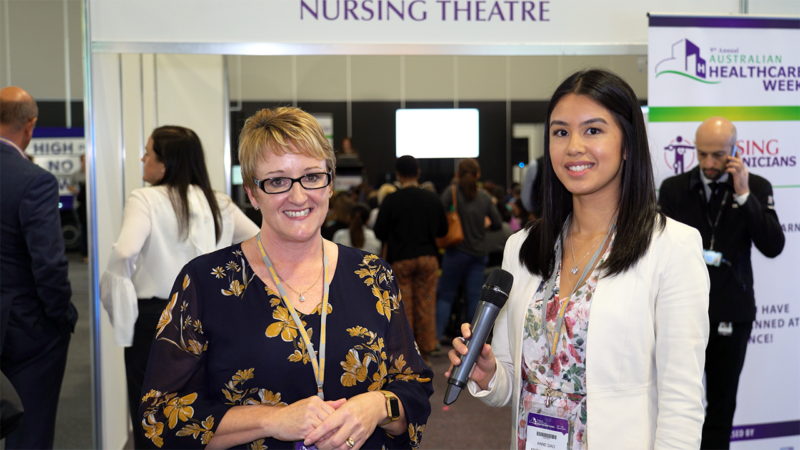
South Western Sydney Local Health District serves nearly 1 million people in a rapidly growing area of Sydney. Currently 250-300 families a week are moving into the region and with a growing population, the health district requires well executed strategy and delivery of healthcare to the population. Executive Director Sonia Marshall spoke with Australian Health Journal reporter Anne Dao at last week’s Australian Healthcare Week in Sydney, on supporting staff and the community. Sonia highlights the mission of delivering Safe Quality Healthcare at all times. In-time patient feedback is important and the SWSLHD has implemented a system called “My Experience Matters” to give near immediate response from patients on their level of care, whilst they are still on site at the hospital. The aim of the initiative is to quickly identify bad experiences that could be rectified.
-
Foundation outlines breast cancer research strategy
Australian Health Journal met with Associate Professor Cleola Anderiesz, CEO of the National Breast Cancer Foundation to hear of the new 5 year Pink Horizon research strategy. Those with lived experience of breast cancer, along with researchers, clinicians, and other funding organisations, have contributed to the development of the foundation’s new five-year Pink Horizon research strategy. This ambitious plan aims to invest $125 million to accelerate research efforts towards the vision of ending deaths from breast cancer.
Post Views:
34
Roadmapping next phase of Australia’s vaccine success


Categories
- Allied Health 20
- Associations 57
- ARCS Australia 6
- Australasian College of Paramedicine 2
- Australian College of Nursing 13
- Australian Healthcare and Hospitals Association 9
- Australian Primary Health Care Nurses Association 3
- Consumers Health Forum of Australia 3
- Medical Technology Association of Australia 11
- Medicines Australia 2
- Pharmacy Society of Australia 5
- Royal Australian College for General Practitioners 3
- Australian state 34
- Awareness 3
- Bowel and Intestine 3
- Brain and Mind 29
- Cancer 9
- Career 54
- Charities 1
- Chronic disease 3
- Clinical Trials 30
- Conferences 14
- Core muscles 2
- Dental 14
- Ear, nose and throat ENT 2
- Education 18
- Endocrinology 7
- Episodes 6
- Eye Health 5
- FULL CIRCLE DIGITAL HEALTH 1
- Gastroenterology 2
- General Practice 13
- Global Health 1
- Government 29
- Haematology 2
- Health System 111
- Accessibility 5
- Allied Health 3
- Awards and Recognition 5
- Comprehensive Centre 1
- Consumer involvement 3
- Decision Support 1
- Disease Preparedness 1
- Funding 1
- Government 16
- Health Policy 9
- Industry 2
- Job Skills and Training 6
- New Models of Care 14
- Occupational Therapy 5
- Population screening 2
- Preventive Health 3
- Private Health 1
- Public Health 6
- Regulatory and Reimbursement 6
- Scope of Practice 5
- Social Prescribing 1
- Value-Based Health Care 4
- Workforce growth 12
- Workforce Survey 1
- Workforce wellbeing 6
- Heart 7
- Hospitals and Clinics 62
- Anaesthesia 2
- Co-design and adoption 6
- Construction 2
- COVID-19 3
- Emergency Department 7
- Environment / Sustainability 3
- Equipment 2
- Funding and Operating Models 7
- Health Services and Systems 4
- Infection Control 4
- Planning, Culture and Growth 2
- Point of Care 4
- Private Hospitals 1
- Surgery 5
- Workflow 1
- Wound Management 2
- Immunology 2
- Industry 1
- Infectious disease 1
- Innovation 11
- International health and research systems 1
- Lived Experience 2
- Lung 3
- Media Partners 3
- Medical Devices 18
- Medical Imaging 7
- Medical Management 1
- Medical Research 26
- Medical Technology 5
- Medicine 12
- Microbiota 1
- Musculoskeletal 6
- New Content 324
- Nursing 36
- Nutrition 2
- Oncology 6
- Op-Ed 3
- Oral Health 4
- Paramedics 5
- Patients 17
- Pharmacy 13
- Philanthropy, Foundations and Charity 2
- Population 80
- Aboriginal 3
- Cosmetic surgery 1
- Defence 2
- Disability 3
- Diversity, inclusion and equity 3
- Frail, Homebound and Bedridden Population 4
- Homeless 1
- Marginalised 1
- Men's Health 1
- Middle-aged 2
- New Parents 1
- Newborn / Neonatal 1
- Paediatric 13
- Palliative 2
- Rural and Remote 8
- Seniors and Aged Care 10
- Veterans 1
- Women and child birth 7
- Women's Health 14
- Youth 2
- Primary Health 16
- Region 1
- Reproduction, pregnancy & child birth 1
- Research 39
- Space Health & Medicine 2
- Startups 3
- Technology 46
- Training and Career 32
- Workforce sustainability 1