
-
Gaining a better understanding of perimenopause and menopause
Nearly half of women seeking help for menopause symptoms are already experiencing clinically significant distress by the time they ask for support, according to a recent national benchmark report released by Metluma.
The 2026 Australian Menopause Experience Report, based on insights from 1,468 women using Metluma’s UMA40 assessment tool, found 43% triggered at least one clinical red flag at baseline (referral to a doctor within 24-48 hours), with more than one in five presenting with multiple red flags linked to more complex symptom burden.
-
Health-Tech Connections
Challenges in health care delivery have compounded, with clinical staff being exposed to the Omicron COVID variant. Reduced staffing has brought on its challenges to most already-strained state health care systems and the people working in them.
However, over the past 2 years of the pandemic, technology has played an increasing role on the front end for patients and consumers at home and clinicians in the medical setting. Much more is planned in technology that will deliver efficiency, reduce risk and make available new models of care. This has the potential to touch the working lives of all stakeholders and
recipients of care. -
Launch of Paediatric Eye Care Training
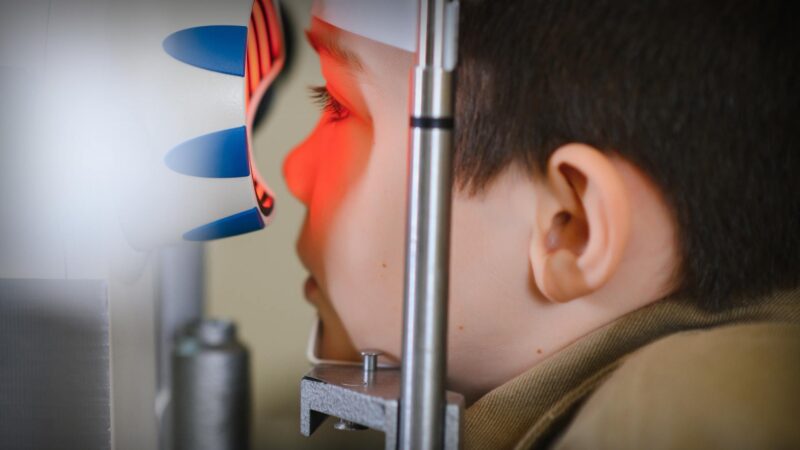
Drawing on almost two decades of experience in paediatric ophthalmology, alongside her research into childhood myopia, Dr Loren Rose explained that the program reflects both her clinical expertise and her long-standing passion for education. She said the rapid advances in myopia management have created a need for practical, accessible learning resources that busy clinicians can easily incorporate into practice.
Post Views:
1,651
Foundation outlines breast cancer research strategy


Categories
- Allied Health 21
- Associations 57
- ARCS Australia 6
- Australasian College of Paramedicine 2
- Australian College of Nursing 13
- Australian Healthcare and Hospitals Association 9
- Australian Primary Health Care Nurses Association 3
- Consumers Health Forum of Australia 3
- Medical Technology Association of Australia 11
- Medicines Australia 2
- Pharmacy Society of Australia 5
- Royal Australian College for General Practitioners 3
- Australian state 35
- Awareness 3
- Bowel and Intestine 3
- Brain and Mind 30
- Cancer 9
- Career 55
- Charities 1
- Chronic disease 3
- Clinical Trials 31
- Conferences 14
- Core muscles 2
- Dental 14
- Dermatology 1
- Ear, nose and throat ENT 2
- Education 19
- Endocrinology 7
- Episodes 6
- Eye Health 5
- FULL CIRCLE DIGITAL HEALTH 1
- Gastroenterology 2
- General Practice 13
- Global Health 1
- Government 30
- Haematology 2
- Health System 114
- Accessibility 5
- Allied Health 3
- Awards and Recognition 6
- Comprehensive Centre 1
- Consumer involvement 3
- Decision Support 1
- Disease Preparedness 1
- Funding 1
- Government 18
- Health Policy 9
- Industry 2
- Job Skills and Training 6
- New Models of Care 14
- Occupational Therapy 5
- Population screening 2
- Preventive Health 4
- Private Health 1
- Public Health 6
- Regulatory and Reimbursement 6
- Scope of Practice 5
- Social Prescribing 1
- Value-Based Health Care 4
- Workforce growth 12
- Workforce Survey 1
- Workforce wellbeing 6
- Heart 7
- Hospitals and Clinics 63
- Anaesthesia 3
- Co-design and adoption 6
- Construction 2
- COVID-19 3
- Emergency Department 7
- Environment / Sustainability 3
- Equipment 2
- Funding and Operating Models 7
- Health Services and Systems 4
- Infection Control 4
- Planning, Culture and Growth 2
- Point of Care 4
- Private Hospitals 1
- Surgery 6
- Workflow 1
- Wound Management 2
- Immunology 2
- Industry 1
- Infectious disease 1
- Innovation 11
- International health and research systems 1
- Lived Experience 2
- Lung 4
- Markets 1
- Media Partners 3
- Medical Devices 19
- Medical Imaging 7
- Medical Management 1
- Medical Research 27
- Medical Technology 6
- Medicine 12
- Microbiota 1
- Musculoskeletal 6
- New Content 331
- Nursing 36
- Nutrition 3
- Oncology 6
- Op-Ed 3
- Oral Health 4
- Paramedics 5
- Patients 17
- Pharmacy 13
- Philanthropy, Foundations and Charity 2
- Population 80
- Aboriginal 3
- Cosmetic surgery 1
- Defence 2
- Disability 3
- Diversity, inclusion and equity 3
- Frail, Homebound and Bedridden Population 4
- Homeless 1
- Marginalised 1
- Men's Health 1
- Middle-aged 2
- New Parents 1
- Newborn / Neonatal 1
- Paediatric 13
- Palliative 2
- Rural and Remote 8
- Seniors and Aged Care 10
- Veterans 1
- Women and child birth 7
- Women's Health 14
- Youth 2
- Primary Health 16
- Region 1
- Reproduction, pregnancy & child birth 1
- Research 40
- Research to Practice 1
- Space Health & Medicine 2
- Startups 3
- Technology 46
- Training and Career 33
- Workforce sustainability 1