
-
Warning signs of substance abuse and addiction
Tara Hurster, is the CEO of The TARA Clinic and a psychologist who started working within the area of addiction in 2010. The TARA clinic, short for Therapeutic Addiction Recovery Assistance, recently started offering online programs to overcome and recover from addiction.
Tara spoke with Australian Health Journal about the early warning signs of anxiety and stress in health staff and executives, including irritability, changes in sleep patterns and diet leading to more serious mental health decline. These behaviours and symptoms increase the risk of substance abuse that could take the form of excessive smoking, drinking alcohol and drug use, porn, sex and gambling.
-
Sovereign capability uplifted
Skilled labour, in particular skilled in the manufacture of MTP products, namely competency in Good Manufacturing Practice (GMP), was identified as one of the key priorities, according to Jarrod Belcher, Director of the REDI Program at MTPConnect. Through a competitive process, MTPConnect selected additional industry training providers to deliver new programs addressing key skills gaps in the sector workforce.
Launched in September 2022, one of these programs is GMP Uplift developed by the Centre for Biopharmaceutical Excellence (CBE). CBE bring experience across large and small Biologics, Pharmaceuticals and Regenerative Medicine companies, both in consulting and GMP related enterprise training. CBE staff also have extensive experience in GMP operations, compliance, auditing and QMS design, a wide industry network for guest lecturers and readily available case studies.
-
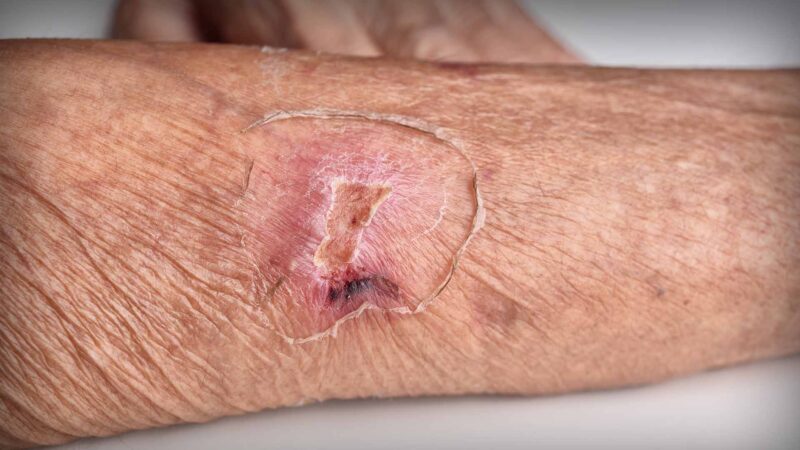
Smart technology in wound care
Throughout her journey around wound care, Santosh Kaur was frustrated to see the simple gaps in wound care resulting in negative patient outcomes. Santosh is the founder of SmartHeal which launched in 2020.
SmartHeal replaces the nurses taking cumbersome manual measurements and manual sharing of important wound data with a no touch technique. It aims for healthcare professionals to have live remote access to wound data, make wound assessments and assist with speech to text notes thus saving time, cost and people. SmartHeal also aims to assist healthcare professionals in providing optimum wound care by analysing the wound tissue for infection, moisture and providing suggestions for suitable dressing.
Post Views:
60
Avoiding lung complications after surgery by reversing muscle relaxant drugs more effectively


Categories
- Allied Health 21
- Associations 57
- ARCS Australia 6
- Australasian College of Paramedicine 2
- Australian College of Nursing 13
- Australian Healthcare and Hospitals Association 9
- Australian Primary Health Care Nurses Association 3
- Consumers Health Forum of Australia 3
- Medical Technology Association of Australia 11
- Medicines Australia 2
- Pharmacy Society of Australia 5
- Royal Australian College for General Practitioners 3
- Australian state 35
- Awareness 3
- Bowel and Intestine 3
- Brain and Mind 29
- Cancer 9
- Career 54
- Charities 1
- Chronic disease 3
- Clinical Trials 31
- Conferences 14
- Core muscles 2
- Dental 14
- Ear, nose and throat ENT 2
- Education 18
- Endocrinology 7
- Episodes 6
- Eye Health 5
- FULL CIRCLE DIGITAL HEALTH 1
- Gastroenterology 2
- General Practice 13
- Global Health 1
- Government 30
- Haematology 2
- Health System 113
- Accessibility 5
- Allied Health 3
- Awards and Recognition 5
- Comprehensive Centre 1
- Consumer involvement 3
- Decision Support 1
- Disease Preparedness 1
- Funding 1
- Government 18
- Health Policy 9
- Industry 2
- Job Skills and Training 6
- New Models of Care 14
- Occupational Therapy 5
- Population screening 2
- Preventive Health 4
- Private Health 1
- Public Health 6
- Regulatory and Reimbursement 6
- Scope of Practice 5
- Social Prescribing 1
- Value-Based Health Care 4
- Workforce growth 12
- Workforce Survey 1
- Workforce wellbeing 6
- Heart 7
- Hospitals and Clinics 63
- Anaesthesia 3
- Co-design and adoption 6
- Construction 2
- COVID-19 3
- Emergency Department 7
- Environment / Sustainability 3
- Equipment 2
- Funding and Operating Models 7
- Health Services and Systems 4
- Infection Control 4
- Planning, Culture and Growth 2
- Point of Care 4
- Private Hospitals 1
- Surgery 6
- Workflow 1
- Wound Management 2
- Immunology 2
- Industry 1
- Infectious disease 1
- Innovation 11
- International health and research systems 1
- Lived Experience 2
- Lung 4
- Markets 1
- Media Partners 3
- Medical Devices 19
- Medical Imaging 7
- Medical Management 1
- Medical Research 26
- Medical Technology 5
- Medicine 12
- Microbiota 1
- Musculoskeletal 6
- New Content 328
- Nursing 36
- Nutrition 3
- Oncology 6
- Op-Ed 3
- Oral Health 4
- Paramedics 5
- Patients 17
- Pharmacy 13
- Philanthropy, Foundations and Charity 2
- Population 80
- Aboriginal 3
- Cosmetic surgery 1
- Defence 2
- Disability 3
- Diversity, inclusion and equity 3
- Frail, Homebound and Bedridden Population 4
- Homeless 1
- Marginalised 1
- Men's Health 1
- Middle-aged 2
- New Parents 1
- Newborn / Neonatal 1
- Paediatric 13
- Palliative 2
- Rural and Remote 8
- Seniors and Aged Care 10
- Veterans 1
- Women and child birth 7
- Women's Health 14
- Youth 2
- Primary Health 16
- Region 1
- Reproduction, pregnancy & child birth 1
- Research 39
- Research to Practice 1
- Space Health & Medicine 2
- Startups 3
- Technology 46
- Training and Career 32
- Workforce sustainability 1