Health System

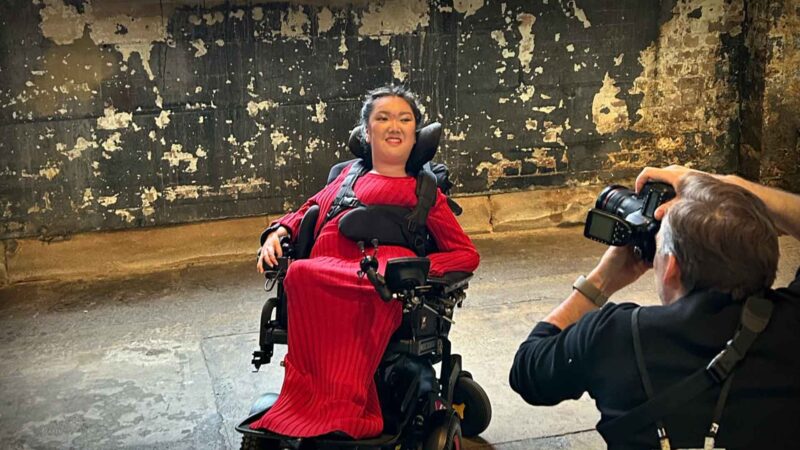
The OT who builds neuro-affirming, trauma-informed therapy environments

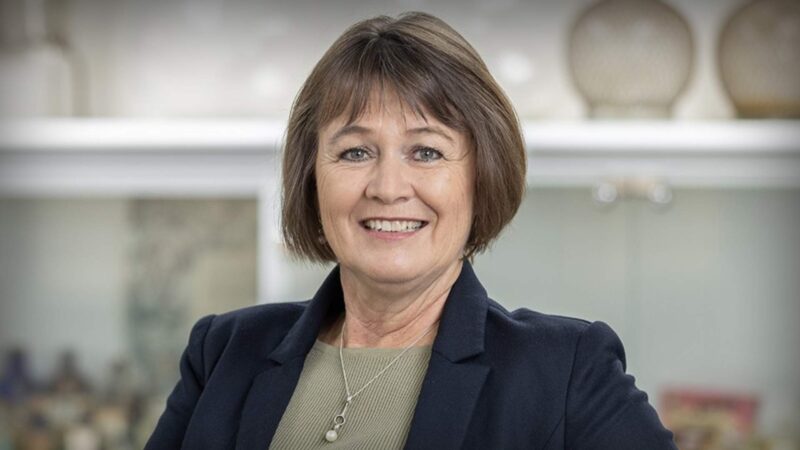
Rochelle Mutton is a visionary leader and paediatric occupational therapist, best known for her work in creating neuro-affirming, trauma-informed therapy environments that empower children and families. As the Founder and Lead OT of Motivate Kids in South Australia, she has grown the practice over 8 years from a two-person team into a thriving organisation of over 40 staff across three purpose designed studios.

Upskilling & empowering Health Professionals to support preconception to pre-school level health

A new podcast series, developed by Health and Wellbeing Queensland, is designed to upskill and empower health professionals in their support of parents from preconception through to the pre-school years.

Clinician’s Guide to the First 2000 Days follows the success of Health and Wellbeing Queensland’s first podcast series Clinician’s Guide to Healthy Kids, launched in 2023. Both focus on supporting health professionals to have effective conversations on positive health behaviours.

FULL FEATURE Consumers and communities as agents of health care change and improvement

Policymakers, health administrators and clinicians must learn and embrace new ways to harness the transformative role consumers, community members and carers can play. Conversely, consumers and communities need support, capability and capacity to engage as equals in policy, research, program and service design. This is necessary if are to be less technocratic and realise the vision where all members of society can live the best life possible.

Allied health flourishes in regional and rural Victoria

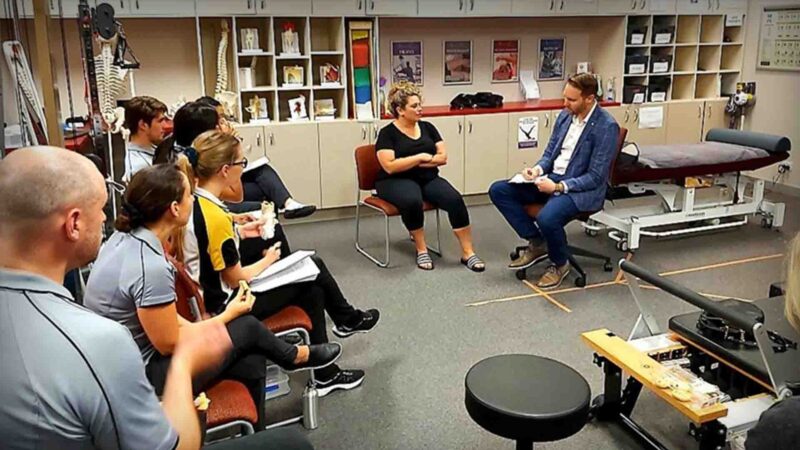
Genhealth Hamilton was established in 2015 in regional and rural Victoria. The practice offers a range of services including physiotherapy, podiatry, occupational therapy, exercise science, and group classes such as clinical reformer therapy and clinical Pilates in Hamilton, which has a population of around 10,000. The clinic also serves a wider community within 100 kilometre, reaching rural residents and local industries.

HIGHLIGHTS Consumers and communities as agents of health care change and improvement

Policymakers, health administrators and clinicians must learn and embrace new ways to harness the transformative role consumers, community members and carers can play. Conversely, consumers and communities need support, capability and capacity to engage as equals in policy, research, program and service design. This is necessary if are to be less technocratic and realise the vision where all members of society can live the best life possible.

Expansion of specialist training in regional & rural areas

Associate Professor Sanjay Jeganathan, Chair of the Council of Presidents of Medical Colleges (CPMC) states, ”Our rural and regional communities deserve the same access to specialist care as our cities. We’re seeing real results from our colleges’ commitment to rural training.”

CASE STUDY: Creating awareness, workforce education & dissemination strategy in national screening

At the recent Screening Conference 2025 in Sydney, hosted by Public Health Association, Dr Rachael Dodd, Senior Research Fellow at The Daffodil Centre, spoke about the information and educational resources created to increase awareness in the healthcare workforce and community on the upcoming Australia’s National Lung Cancer Screening Program commencing in July 2025.

Improved access to technology needed for people with Type 2 Diabetes needing insulin

The National Diabetes Services Scheme (NDSS) provides subsidised products for diabetes management; however, disparities exist in access to technology between those with Type 1 and Type 2 diabetes. While continuous glucose monitoring (CGM) devices are subsidised for Type 1, they are not available for Type 2 diabetes. ADEA advocates for equitable access to these essential tools, emphasising that all individuals with diabetes deserve the resources necessary for optimal management and reduced risk of complications. Without such technologies, many are forced to rely on finger pricking, which can be inconvenient and unsafe in settings such as the workplace and in higher education.

Maximising benefits, minimising harms in population health screening

Population screening is an important contributor to advancing health outcomes through the early detection of and successful intervention for chronic disease. The evolution of science, technology and evidence relating to diseases which are or may be amenable to a population screening approach deserve broad discussion and the sharing of expertise and evidence. They also warrant close scrutiny in context of health policy and health resource allocation considerations.

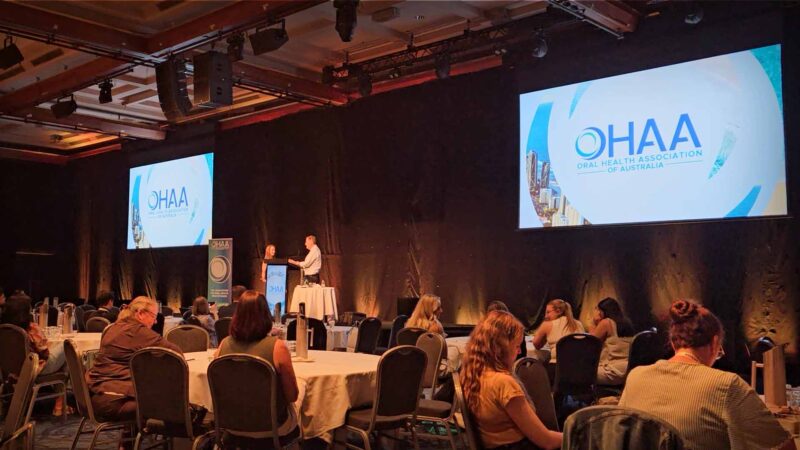
In March, Public Health Association of Australia (PHAA) convened Screening Conference Conference 2025 with the theme of ‘Population Screening for Chronic Disease – Maximising Benefits, Minimising Harms’.

Targeted National Lung Cancer Screening Program commences in 2025

In February 2025, Australian Health Journal spoke with Mark Brooke, Chief Executive Officer of Lung Foundation Australia, at the 10th Australian Lung Cancer Conference in Adelaide, on the upcoming commencement of the National Lung Cancer Screening Program (NLCSP)

Scroll to top