Medical Research

Research, Mentorship and the PhD Experience

Pancreatic cancer remains one of the deadliest cancers, with survival rates below 10 per cent and treatments often as harsh as the disease itself.

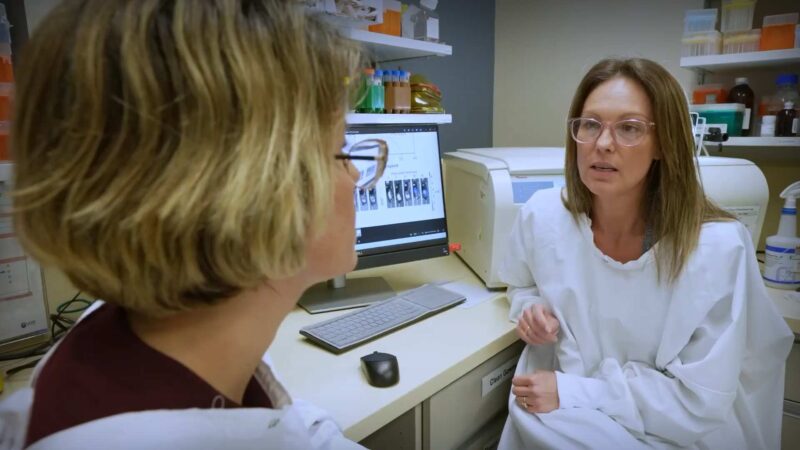
Finding better ways to treat one of the deadliest cancers has become the focus of a University of Wollongong research team, where the relationship between a PhD supervisor and candidate has also played an important role in shaping the next generation of researchers.

National incubator shifts into gear, announcing vaccine and infectious disease innovation cohort

Biointelect Venturer has announced six Australian infectious disease innovations will share $10.48 million in the incubator’s first funding round giving the successful research teams the ability to advance their early-stage breakthroughs to commercial and investment readiness.

Op-Ed: CGT and proposed RDTI changes creating uncertainty in life sciences

Proposed Budget changes to the Research and Development Tax Incentive (RDTI) will disproportionally impact Australia’s biotech, medtech and health tech sector forcing more home-grown companies to consider moving overseas.

Smarter investment in the research long game

In this Op-Ed, Nadia Levin, CEO of Research Australia, spoke with the Australian Health Journal about the need for smarter and more strategic investment in Australia’s health and medical research sector.

Levin argued that Australia’s approach to health and medical research has been shaped too heavily by short-term political cycles rather than a long-term national vision. She emphasised that meaningful progress in science, innovation, and healthcare requires sustained investment over many years.

Significant funding announced for NSW biomedical researchers

The Snow Medical Research Foundation (Snow Medical) has announced a new $24 million investment in three outstanding Australian biomedical researchers through its prestigious Snow Fellowships.

These Fellows will tackle major global health challenges spanning autoimmune disease, neurological disorders, and genetic disease. Their work addresses conditions that disproportionately affect vulnerable and underserved populations, including First Nations communities, while advancing precision medicine and translational care. Collectively, their research aims to deliver safer vaccines, better diagnostics, and more equitable genomic and neurological healthcare.

Clinical pain neuroscientist talks about how the brain processes pain information

Persistent pain affects one in five Australians and costs the nation an estimated $73 billion per year in health system costs, lost productivity and other financial costs.

Persistent pain also has debilitating personal costs – negatively impacting quality of life and the ability to engage in meaningful work and life activities.

Despite the enormity of this problem, very few effective treatments exist with most showing only small to moderate improvements. New treatments are desperately needed. The group believes the best way to create impactful change is to work with people with lived experience of persistent pain to devise solutions with them, not for them.

30 years on, Viertel Foundation legacy continues

One of Australia’s largest charitable foundations, the Sylvia and Charles Viertel Charitable Foundation, is celebrating three decades of transforming Australian healthcare – with more than $90 million invested in medical research and a legacy of breakthroughs that are saving lives. Viertel Fellowships support some of Australia’s best and brightest researchers and clinicians, with 70 Fellowships awarded to date.

Specialist physiotherapist successfully mixes online & in-person

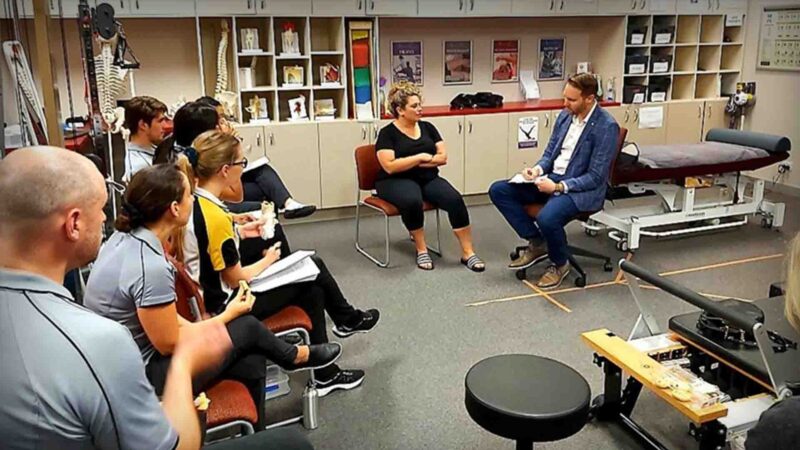
Dr. Kieran Richardson (FACP) is a Specialist Physiotherapist, conferred by the Australian College of Physiotherapists (Australian Physiotherapy Association) in 2016. Dr Richardson is the Director of Global Specialist Physiotherapy, a consultancy company providing online Formal Mentoring and Professional Development individual clinicians, clinics, and groups, as well as Second Opinions to clinicians and directly to patients all around the world.

Medical research institutes association responds to draft national research strategy

On 27 August 2025, the Minister for Health, Disability and Ageing announced the release of the draft National Health and Medical Research Strategy (the National Strategy).

Involved in the initial consultation phase, was the Association of Australian Medical Research Institutes (AAMRI), the peak body for medical research institutes across Australia. Member institutes work on a broad spectrum of human health issues such as preventive health, chronic disease, mental health, immunology and Indigenous health. Their research ranges from fundamental biomedical discovery through to clinical research and the translation of research findings.

Taiwanese health and research delegation visit Paratus clinical trial site in Canberra

In late August 2025, a Taiwanese delegation comprising government officials from the Taiwanese FDA, various governmental groups, and physicians and researchers from across Taiwan, visited Paratus Clinical’s trial site in Canberra. Their objective was to explore both the differences and similarities between the clinical research ecosystems of Taiwan and Australia.

Scroll to top