HEALTH CARE BRIEF: Venous thromboembolism (VTE)
Venous thromboembolism (VTE) – Incidence rates, symptoms, risks, research & innovation

Venous thromboembolism (VTE) – Incidence rates, symptoms, risks, research & innovation
Postpartum haemorrhage- Incidence rates, symptoms, risks, research & innovation
Mothers of multiples are five times more likely to experience depression and have triple the rates of anxiety compared to mothers of singletons. Danya McStein is a Clinical Team Manager at Gidget Foundation Australia, talks about mothers expecting twins showing prenatal depressive symptoms, while postpartum, facing higher risks of clinical exhaustion and postpartum depression.
Pancreatic cancer remains one of Australia’s deadliest cancers, with five-year survival rates hovering at just 14%, with little improvement over several decades. Often called the ‘silent killer’, the disease frequently presents with minimal or vague symptoms, resulting in late diagnoses and poor outcomes. Pancare Foundation is leading the rollout of new clinical resources and surveillance guides to support healthcare professionals in identifying at-risk patients and promoting early detection.
Helen Stone is the State and Territory Manager SA & NT for the Pharmaceutical Society Australia. Her professional interests include palliative care, pharmacist professional services, mental health, leadership, and management.
She has recently led teams of pharmacists in innovative pharmacy practice models including in aged care, GP practice, palliative care and dementia support. This has contributed to the body of evidence for sustainable funding for embedded pharmacist roles in primary care and aged care settings.
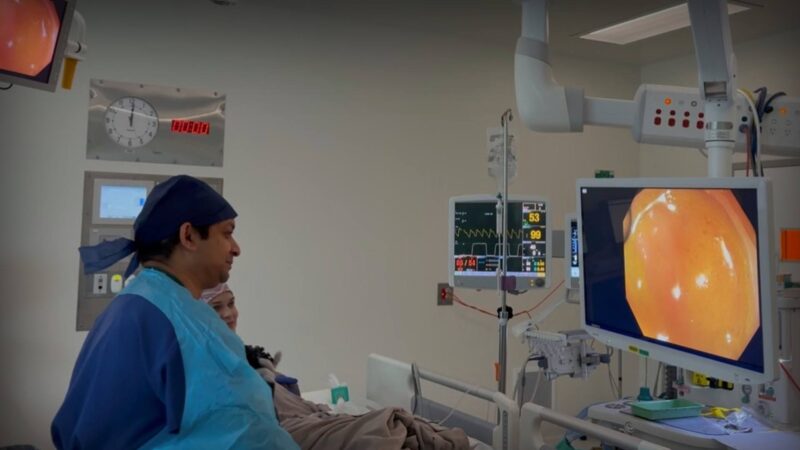
Dr Amit Saha is a Paediatric Gastroenterologist and Hepatologist and trained paediatric endoscopist based in Perth. He underwent his higher specialist training in Paediatrics within the NHS in the UK, and sub-specialised in Paediatric Gastroenterology Hepatology & Nutrition at busy and prestigious centres in London including The Kings College Hospital.
Uterine cancers have become Australia’s fastest-growing women’s cancer, with incidence doubling over the past 25 years and projected to continue to surge. Without immediate action, more than 44,000 women are expected to be diagnosed by 2035, and 8,900 will lose their lives to the disease.
Released November 2025, Australia’s first State of the Nation: Uterine Cancers in Australia 2025 report by the Australia New Zealand Gynaecological Oncology Group (ANZGOG), reveals a confronting picture of a growing women’s health crisis that has gone largely unseen and one that now requires immediate, coordinated national action.
According to the Leukaemia Foundation, blood cancer is one of the most urgent and under-recognised women’s health issues in Australia, with three times more Australian women diagnosed with blood cancer than ovarian and cervical cancer combined (Source: AIHW, Cancer Data in Australia, 2024).
Blood cancer has also emerged as the second most common cancer diagnosed in Australian women overall – behind only breast cancer – and the leading cancer amongst girls and women under the age of 30 (Source: AIHW, Cancer Data in Australia, 2024).
In Western Sydney, there is currently significant growth accompanied by a notable need for cardiovascular support due to the prevalence of related diseases. It is estimated that the population in this area will reach 6 million by 2041.
With this population growth, there is also a pressing shortage of healthcare professionals in Australia, particularly in the field of radiology, where there are not enough radiographers, sonographers, MRI technicians, and nuclear medicine technicians.
Dr. Sneha Wadhwani, a General Practitioner in Bondi, and Conjoint Lecturer at UNSW School of Medicine, is actively involved in enhancing women’s health services across Australia. As the Co-founder and Clinical Director of Evoca Women’s Health, she highlights the significant improvements in funding for women’s health, particularly with the new MBS bulk billing incentives, in new codes, that commenced on November 1, 2025.