
Women’s Health

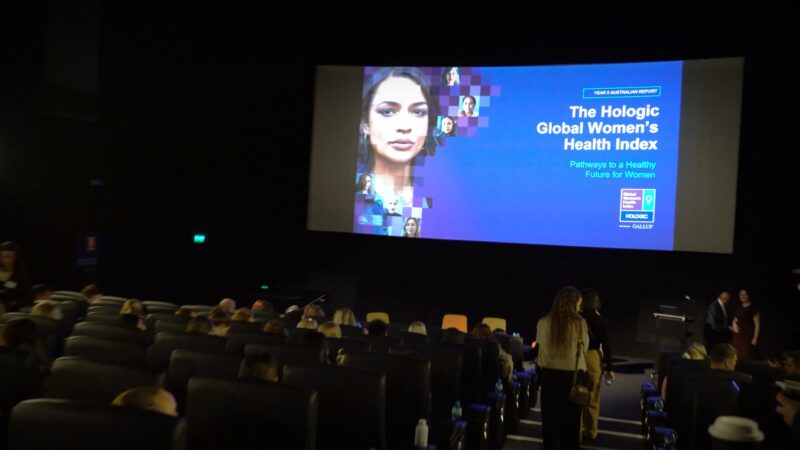
Global Women’s Health report identifies concerning drop in Australian breast cancer screening

The Hologic Global Women’s Health Index is one of the largest global reports dedicated exclusively to women’s health and wellbeing. Now in its fifth year, the Index tracks women’s health across five dimensions , Preventive Care, Emotional Health, Opinions of Health and Safety, Basic Needs and Individual Health – across 144 countries and territories, covering 97 per cent of the global adult population.

From nurse, to roles in medtech marketing, championing women’s health

Aggie Cox is a senior healthcare marketing leader and women’s health advocate with over two decades of experience spanning clinical care, medical technology, and executive marketing leadership. She currently serves as Government Affairs & Marketing Director for Australia and New Zealand at Hologic, Inc., a global medical technology company dedicated to advancing women’s health through early detection, diagnosis, and treatment.

Breaking silos to transform women’s health through MedTech

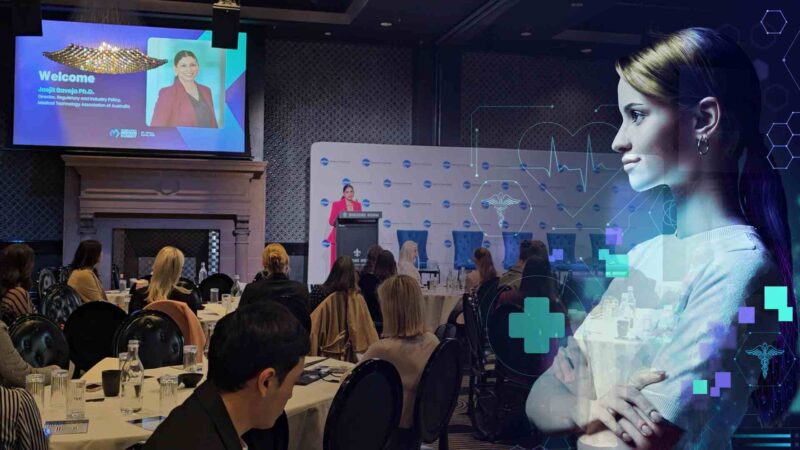
In an interview with Australian Health Journal, Jasjit Baveja, Director of Regulatory and Industry Policy at the Medical Technology Association of Australia (MTAA), highlighted the growing importance of medical technology in addressing longstanding inequities in women’s health.

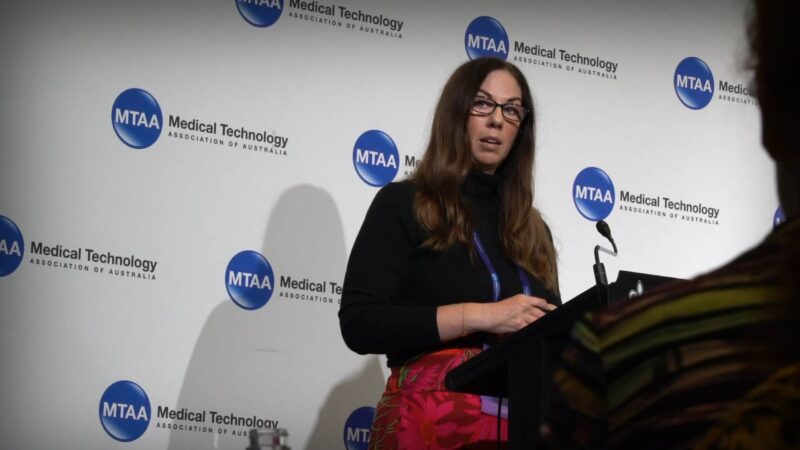
Drawing on the outcomes of the inaugural MTAA Women’s Health MedTech Summit, she explained how the event brought together clinicians, researchers, industry leaders, regulators, investors, government representatives and patient advocates to tackle complex challenges through a collaborative approach.

LIVED EXPERIENCE: Spontaneous Coronary Artery Dissection (SCAD)

Jen O’Neill is a Social Work Program Manager and mother of two from the Central Coast, NSW.

At 36, she experienced her first spontaneous coronary artery dissection (SCAD) heart attack and has since survived two further SCADs before age 43.

HEALTH CARE BRIEF: Pelvic Floor Dysfunction

Pelvic Floor Dysfunction – Lived experience, symptoms, diagnosis and treatment options

Gaining a better understanding of perimenopause and menopause

Nearly half of women seeking help for menopause symptoms are already experiencing clinically significant distress by the time they ask for support, according to a recent national benchmark report released by Metluma.

The 2026 Australian Menopause Experience Report, based on insights from 1,468 women using Metluma’s UMA40 assessment tool, found 43% triggered at least one clinical red flag at baseline (referral to a doctor within 24-48 hours), with more than one in five presenting with multiple red flags linked to more complex symptom burden.

Closing the diagnostic gap in ovarian cancer detection

After 15 years in academia, Associate Professor Michelle Hill founded ProSeek bio to address one of the most urgent challenges in women’s health: closing the diagnostic gap in ovarian cancer.

For too long, women suspected of ovarian cancer have faced an impossible choice — undergo invasive surgery for diagnosis, only for up to 80% of those procedures to reveal no cancer, or delay intervention and risk diagnosis at a later stage when treatment options are fewer and survival outcomes are significantly worse.

Confronting picture of growing women’s health crisis in uterine cancers

Uterine cancers have become Australia’s fastest-growing women’s cancer, with incidence doubling over the past 25 years and projected to continue to surge. Without immediate action, more than 44,000 women are expected to be diagnosed by 2035, and 8,900 will lose their lives to the disease.

Released November 2025, Australia’s first State of the Nation: Uterine Cancers in Australia 2025 report by the Australia New Zealand Gynaecological Oncology Group (ANZGOG), reveals a confronting picture of a growing women’s health crisis that has gone largely unseen and one that now requires immediate, coordinated national action.

Growing impact of blood cancer on women

According to the Leukaemia Foundation, blood cancer is one of the most urgent and under-recognised women’s health issues in Australia, with three times more Australian women diagnosed with blood cancer than ovarian and cervical cancer combined (Source: AIHW, Cancer Data in Australia, 2024).

Blood cancer has also emerged as the second most common cancer diagnosed in Australian women overall – behind only breast cancer – and the leading cancer amongst girls and women under the age of 30 (Source: AIHW, Cancer Data in Australia, 2024).

Changes in MBS bulk billing incentives address GP capacity in women’s health

Dr. Sneha Wadhwani, a General Practitioner in Bondi, and Conjoint Lecturer at UNSW School of Medicine, is actively involved in enhancing women’s health services across Australia. As the Co-founder and Clinical Director of Evoca Women’s Health, she highlights the significant improvements in funding for women’s health, particularly with the new MBS bulk billing incentives, in new codes, that commenced on November 1, 2025.

Scroll to top