
-
Australasian College of Paramedicine makes case for multi-disciplinary care
Despite being seen primarily as emergency responders, paramedics have long been providing care in the primary care space. As such, their increased involvement in primary and urgent care is a natural progression that can lead to improved health outcomes for communities. Urgent care clinics, which treat non-life-threatening injuries and illnesses, have been a recent introduction. However, when these clinics were initially proposed, paramedics were left out of the opportunity, despite being experts in urgent, acute, unplanned, and unscheduled care. They work in these types of situations every day in the ambulance service and should be utilised in these clinics to improve patient outcomes. Working as part of multidisciplinary teams with doctors and nurses can further enhance the outcomes for local communities.
-
Artificial Intelligence (AI) in clinical trials and clinical care
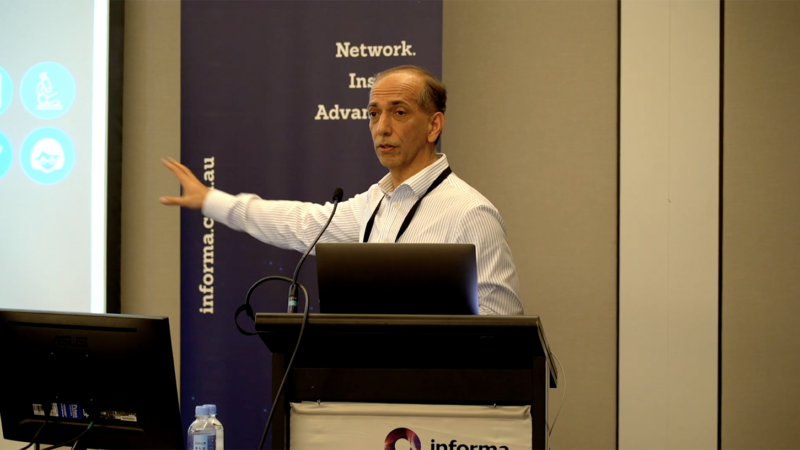
Australian Health Journal today continues a major episode release on Technology Aided Healthcare Delivery, with part 2 on Artificial Intelligence in trials and clinical care. Interviews were captured at AI, Machine Learning & Robotics in Health conference in October organised by Informa Australia.
-
Inaugural report into Australasian Paramedicine Workforce Survey report to aid workforce planning
In a milestone for paramedicine, the Australasian College of Paramedicine earlier this year released the first report of a landmark three-year study identifying and exploring trends that affect the Australasian paramedicine workforce.
The inaugural Australasian Paramedicine Workforce Survey report 2023-24 explores the demographic, career trajectory, work motivations and conditions for those working in clinical, management and educational capacities within the paramedicine workforce of Australia and Aotearoa New Zealand.
Post Views:
1,859
Improvements in dental literacy and greater clinical insights through digital technology


Categories
- Allied Health 21
- Associations 57
- ARCS Australia 6
- Australasian College of Paramedicine 2
- Australian College of Nursing 13
- Australian Healthcare and Hospitals Association 9
- Australian Primary Health Care Nurses Association 3
- Consumers Health Forum of Australia 3
- Medical Technology Association of Australia 11
- Medicines Australia 2
- Pharmacy Society of Australia 5
- Royal Australian College for General Practitioners 3
- Australian state 35
- Awareness 3
- Bowel and Intestine 3
- Brain and Mind 30
- Cancer 9
- Career 55
- Charities 1
- Chronic disease 3
- Clinical Trials 31
- Conferences 14
- Core muscles 2
- Dental 14
- Dermatology 1
- Ear, nose and throat ENT 2
- Education 19
- Endocrinology 7
- Episodes 6
- Eye Health 5
- FULL CIRCLE DIGITAL HEALTH 1
- Gastroenterology 2
- General Practice 13
- Global Health 1
- Government 30
- Haematology 2
- Health System 114
- Accessibility 5
- Allied Health 3
- Awards and Recognition 6
- Comprehensive Centre 1
- Consumer involvement 3
- Decision Support 1
- Disease Preparedness 1
- Funding 1
- Government 18
- Health Policy 9
- Industry 2
- Job Skills and Training 6
- New Models of Care 14
- Occupational Therapy 5
- Population screening 2
- Preventive Health 4
- Private Health 1
- Public Health 6
- Regulatory and Reimbursement 6
- Scope of Practice 5
- Social Prescribing 1
- Value-Based Health Care 4
- Workforce growth 12
- Workforce Survey 1
- Workforce wellbeing 6
- Heart 7
- Hospitals and Clinics 63
- Anaesthesia 3
- Co-design and adoption 6
- Construction 2
- COVID-19 3
- Emergency Department 7
- Environment / Sustainability 3
- Equipment 2
- Funding and Operating Models 7
- Health Services and Systems 4
- Infection Control 4
- Planning, Culture and Growth 2
- Point of Care 4
- Private Hospitals 1
- Surgery 6
- Workflow 1
- Wound Management 2
- Immunology 2
- Industry 1
- Infectious disease 1
- Innovation 11
- International health and research systems 1
- Lived Experience 2
- Lung 4
- Markets 1
- Media Partners 3
- Medical Devices 19
- Medical Imaging 7
- Medical Management 1
- Medical Research 27
- Medical Technology 6
- Medicine 12
- Microbiota 1
- Musculoskeletal 6
- New Content 331
- Nursing 36
- Nutrition 3
- Oncology 6
- Op-Ed 3
- Oral Health 4
- Paramedics 5
- Patients 17
- Pharmacy 13
- Philanthropy, Foundations and Charity 2
- Population 80
- Aboriginal 3
- Cosmetic surgery 1
- Defence 2
- Disability 3
- Diversity, inclusion and equity 3
- Frail, Homebound and Bedridden Population 4
- Homeless 1
- Marginalised 1
- Men's Health 1
- Middle-aged 2
- New Parents 1
- Newborn / Neonatal 1
- Paediatric 13
- Palliative 2
- Rural and Remote 8
- Seniors and Aged Care 10
- Veterans 1
- Women and child birth 7
- Women's Health 14
- Youth 2
- Primary Health 16
- Region 1
- Reproduction, pregnancy & child birth 1
- Research 40
- Research to Practice 1
- Space Health & Medicine 2
- Startups 3
- Technology 46
- Training and Career 33
- Workforce sustainability 1