
-
Breaking silos to transform women’s health through MedTech
In an interview with Australian Health Journal, Jasjit Baveja, Director of Regulatory and Industry Policy at the Medical Technology Association of Australia (MTAA), highlighted the growing importance of medical technology in addressing longstanding inequities in women’s health.
Drawing on the outcomes of the inaugural MTAA Women’s Health MedTech Summit, she explained how the event brought together clinicians, researchers, industry leaders, regulators, investors, government representatives and patient advocates to tackle complex challenges through a collaborative approach.
-
Co-design, adoption and interoperability
In October CEBIT AUSTRALIA held it’s yearly technology related conference. Australian Health Journal’s reporter Anne Dao spoke with health technology thought leaders on what needs to be consider in Co-Design, Adoption and Interoperability of technology aided healthcare delivery
-
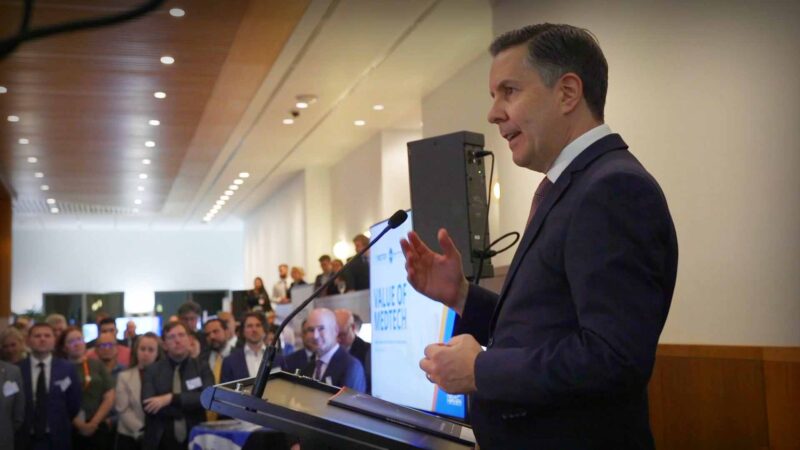
Value of MedTech Report brings Industry and Government together
In June 2023 the Medical Technology Association of Australia (MTAA) launched The Value of MedTech Report – a major study quantifying the difference the MedTech industry makes to the lives of Australian patients, the healthcare system and the Australian economy.
Australian Health Journal spoke with MTAA CEO, Ian Burgess and MTAA Policy Manager, Pravin Siriwardena about the report and its key findings.
Post Views:
825
Course developed for people with intellectual disability to learn about research


Categories
- Allied Health 20
- Associations 57
- ARCS Australia 6
- Australasian College of Paramedicine 2
- Australian College of Nursing 13
- Australian Healthcare and Hospitals Association 9
- Australian Primary Health Care Nurses Association 3
- Consumers Health Forum of Australia 3
- Medical Technology Association of Australia 11
- Medicines Australia 2
- Pharmacy Society of Australia 5
- Royal Australian College for General Practitioners 3
- Australian state 34
- Awareness 3
- Bowel and Intestine 3
- Brain and Mind 29
- Cancer 9
- Career 54
- Charities 1
- Chronic disease 3
- Clinical Trials 30
- Conferences 14
- Core muscles 2
- Dental 14
- Ear, nose and throat ENT 2
- Education 18
- Endocrinology 7
- Episodes 6
- Eye Health 5
- FULL CIRCLE DIGITAL HEALTH 1
- Gastroenterology 2
- General Practice 13
- Global Health 1
- Government 29
- Haematology 2
- Health System 110
- Accessibility 5
- Allied Health 3
- Awards and Recognition 5
- Comprehensive Centre 1
- Consumer involvement 3
- Decision Support 1
- Funding 1
- Government 15
- Health Policy 9
- Industry 2
- Job Skills and Training 6
- New Models of Care 14
- Occupational Therapy 5
- Population screening 2
- Preventive Health 3
- Private Health 1
- Public Health 6
- Regulatory and Reimbursement 6
- Scope of Practice 5
- Social Prescribing 1
- Value-Based Health Care 4
- Workforce growth 12
- Workforce Survey 1
- Workforce wellbeing 6
- Heart 7
- Hospitals and Clinics 62
- Anaesthesia 2
- Co-design and adoption 6
- Construction 2
- COVID-19 3
- Emergency Department 7
- Environment / Sustainability 3
- Equipment 2
- Funding and Operating Models 7
- Health Services and Systems 4
- Infection Control 4
- Planning, Culture and Growth 2
- Point of Care 4
- Private Hospitals 1
- Surgery 5
- Workflow 1
- Wound Management 2
- Immunology 2
- Industry 1
- Infectious disease 1
- Innovation 10
- International health and research systems 1
- Lived Experience 2
- Lung 3
- Media Partners 3
- Medical Devices 18
- Medical Imaging 7
- Medical Management 1
- Medical Research 26
- Medical Technology 5
- Medicine 11
- Microbiota 1
- Musculoskeletal 6
- New Content 323
- Nursing 36
- Nutrition 2
- Oncology 6
- Op-Ed 3
- Oral Health 4
- Paramedics 5
- Patients 17
- Pharmacy 13
- Philanthropy, Foundations and Charity 2
- Population 80
- Aboriginal 3
- Cosmetic surgery 1
- Defence 2
- Disability 3
- Diversity, inclusion and equity 3
- Frail, Homebound and Bedridden Population 4
- Homeless 1
- Marginalised 1
- Men's Health 1
- Middle-aged 2
- New Parents 1
- Newborn / Neonatal 1
- Paediatric 13
- Palliative 2
- Rural and Remote 8
- Seniors and Aged Care 10
- Veterans 1
- Women and child birth 7
- Women's Health 14
- Youth 2
- Primary Health 16
- Region 1
- Reproduction, pregnancy & child birth 1
- Research 39
- Space Health & Medicine 2
- Startups 3
- Technology 46
- Training and Career 32
- Workforce sustainability 1