
Women’s Health

Confronting picture of growing women’s health crisis in uterine cancers

Uterine cancers have become Australia’s fastest-growing women’s cancer, with incidence doubling over the past 25 years and projected to continue to surge. Without immediate action, more than 44,000 women are expected to be diagnosed by 2035, and 8,900 will lose their lives to the disease.

Released November 2025, Australia’s first State of the Nation: Uterine Cancers in Australia 2025 report by the Australia New Zealand Gynaecological Oncology Group (ANZGOG), reveals a confronting picture of a growing women’s health crisis that has gone largely unseen and one that now requires immediate, coordinated national action.


Growing impact of blood cancer on women

According to the Leukaemia Foundation, blood cancer is one of the most urgent and under-recognised women’s health issues in Australia, with three times more Australian women diagnosed with blood cancer than ovarian and cervical cancer combined (Source: AIHW, Cancer Data in Australia, 2024).

Blood cancer has also emerged as the second most common cancer diagnosed in Australian women overall – behind only breast cancer – and the leading cancer amongst girls and women under the age of 30 (Source: AIHW, Cancer Data in Australia, 2024).

Changes in MBS bulk billing incentives address GP capacity in women’s health

Dr. Sneha Wadhwani, a General Practitioner in Bondi, and Conjoint Lecturer at UNSW School of Medicine, is actively involved in enhancing women’s health services across Australia. As the Co-founder and Clinical Director of Evoca Women’s Health, she highlights the significant improvements in funding for women’s health, particularly with the new MBS bulk billing incentives, in new codes, that commenced on November 1, 2025.

Understanding factors of persistent lower back pain in women

Lizzy Quinn is a Musculoskeletal Physiotherapist with 20 years experience focusing on people with spinal pain. Australian Health Journal spoke with Lizzy on the complexities of persistent lower back pain in women.

Lower back pain in women in their 30s, 40s, and 50s is complex to treat due to the combination of physical and emotional factors, and health professionals need to stay updated on best practices and science to provide the best recovery platform for patients. These women typically have busy lives, pressures, and expectations.

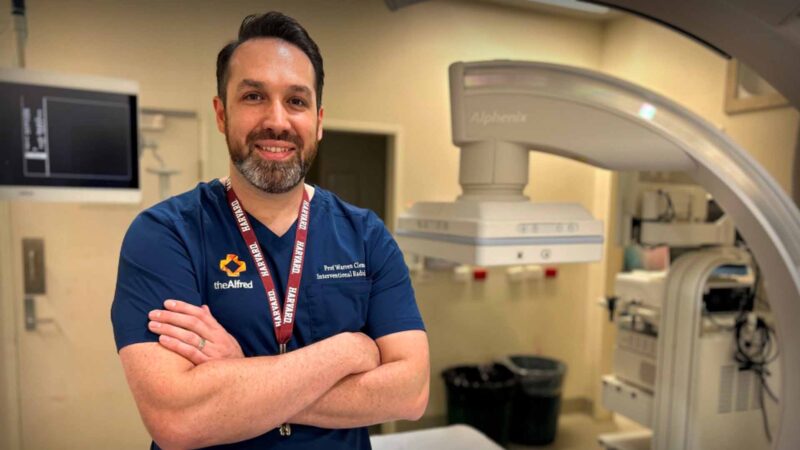
Interventional radiologists offer alternative to hysterectomy

In Australia in the last five years, an estimated 6066 women per year have undergone hysterectomies to treat fibroid-related diseases, while just 145 women each year have undergone a uterine artery embolisation, or UAE.  

The procedure can effectively treat the majority of bleeding uterine fibroids. Each year, thousands of Australian women undergo invasive and life-altering hysterectomies to treat debilitating pain and blood loss caused by uterine fibroids. But there’s another option: a minimally invasive, pin-hole procedure that treats the symptoms, yet leaves the uterus intact.

Scroll to top