
-
A clinical research career working Sponsor-side, CRO-side to Site-side
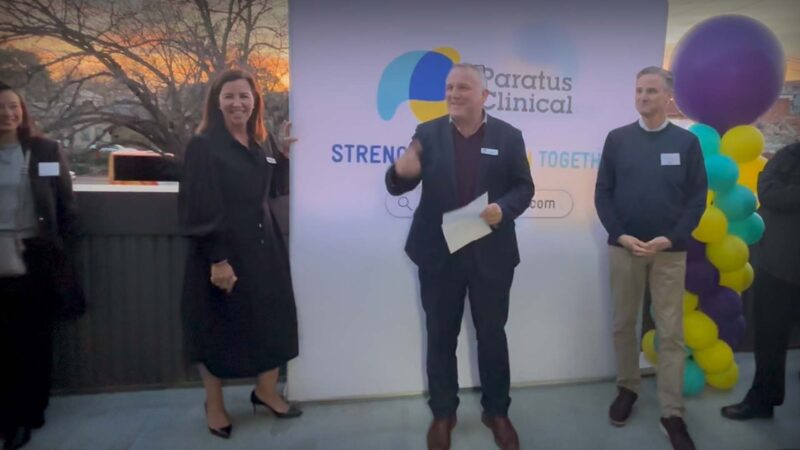
In July 2025, Paratus Clinical, a Australian provider of dedicated clinical trial services, announced the appointment of Megan Morrison as its new Chief Executive Officer, at the same time as a significant milestone as the company celebrating over a decade of impact in the clinical research space. Paratus now operates a network of five purpose-built, research-only clinics along Australia’s eastern seaboard.
-
The Case for Embedded Pharmacy in Residential Aged Care
Embedded pharmacy in residential aged care has been successful in South Australia at the Tanunda Lutheran Home in the Barossa Valley. Julian Soriano talks about his pharmacy role in medication management and medication safety to deliver the best clinical care for residents.
In this segment, Julian talks about the traditional pharmacy model serving residential aged care and the limitations of the imprest process for dispensing medication. Soon into the project he saw the collaboration required with GPs and onsite nurses in dispensing medication for residents in end-of-life or palliative care. Julian sees the imprest process unable to support end-of-life residents, even being able to check the availability of medication.
But what most may not be aware of, is his rapid growth since starting the business in 2013 having just been in health care a few years earlier. Being part of a 2nd generation health care family, Shawn learnt from his father on site and at trade show visits overseas. Prior to HPA, he spent 2 years working in fit-outs of operating theatres, neo-natal and general population ICU, throughout being more fascinated with what he saw. -
Health-Tech Connections
Challenges in health care delivery have compounded, with clinical staff being exposed to the Omicron COVID variant. Reduced staffing has brought on its challenges to most already-strained state health care systems and the people working in them.
However, over the past 2 years of the pandemic, technology has played an increasing role on the front end for patients and consumers at home and clinicians in the medical setting. Much more is planned in technology that will deliver efficiency, reduce risk and make available new models of care. This has the potential to touch the working lives of all stakeholders and
recipients of care.
Post Views:
240
HEALTH CARE BRIEF: Venous thromboembolism (VTE)


Categories
- Allied Health 15
- Associations 54
- ARCS Australia 6
- Australasian College of Paramedicine 2
- Australian College of Nursing 13
- Australian Healthcare and Hospitals Association 9
- Australian Primary Health Care Nurses Association 3
- Consumers Health Forum of Australia 3
- Medical Technology Association of Australia 8
- Medicines Australia 2
- Pharmacy Society of Australia 5
- Royal Australian College for General Practitioners 3
- Australian state 31
- Awareness 3
- Bowel and Intestine 1
- Brain and Mind 26
- Cancer 7
- Career 38
- Charities 1
- Chronic disease 2
- Clinical Trials 26
- Conferences 13
- Core muscles 1
- Dental 12
- Ear, nose and throat ENT 2
- Education 12
- Endocrinology 7
- Episodes 6
- Eye Health 3
- Gastroenterology 1
- General Practice 11
- Global Health 1
- Government 26
- Haematology 2
- Health System 93
- Accessibility 3
- Allied Health 3
- Awards and Recognition 4
- Comprehensive Centre 1
- Consumer involvement 3
- Decision Support 1
- Government 6
- Health Policy 4
- Industry 1
- Job Skills and Training 6
- New Models of Care 14
- Occupational Therapy 5
- Population screening 1
- Preventive Health 3
- Private Health 1
- Public Health 6
- Regulatory and Reimbursement 5
- Scope of Practice 5
- Social Prescribing 1
- Value-Based Health Care 4
- Workforce growth 9
- Workforce Survey 1
- Workforce wellbeing 6
- Heart 5
- Hospitals and Clinics 55
- Anaesthesia 2
- Co-design and adoption 6
- Construction 2
- COVID-19 3
- Emergency Department 7
- Environment / Sustainability 1
- Equipment 2
- Funding and Operating Models 3
- Health Services and Systems 4
- Infection Control 4
- Planning, Culture and Growth 2
- Point of Care 4
- Private Hospitals 1
- Surgery 5
- Workflow 1
- Wound Management 2
- Immunology 1
- Industry 1
- Innovation 8
- International health and research systems 1
- Lung 3
- Media Partners 3
- Medical Devices 15
- Medical Imaging 6
- Medical Management 1
- Medical Research 21
- Medicine 9
- Microbiota 1
- Musculoskeletal 5
- New Content 276
- Nursing 36
- Nutrition 2
- Oncology 5
- Oral Health 3
- Paramedics 5
- Patients 16
- Pharmacy 13
- Philanthropy, Foundations and Charity 2
- Population 64
- Aboriginal 3
- Cosmetic surgery 1
- Defence 2
- Disability 3
- Diversity, inclusion and equity 2
- Frail, Homebound and Bedridden Population 4
- Homeless 1
- Marginalised 1
- Men's Health 1
- Middle-aged 1
- New Parents 1
- Paediatric 11
- Palliative 2
- Rural and Remote 8
- Seniors and Aged Care 10
- Women and child birth 5
- Women's Health 5
- Youth 2
- Primary Health 15
- Region 1
- Research 33
- Startups 3
- Technology 40
- Training and Career 26
- Workforce sustainability 1